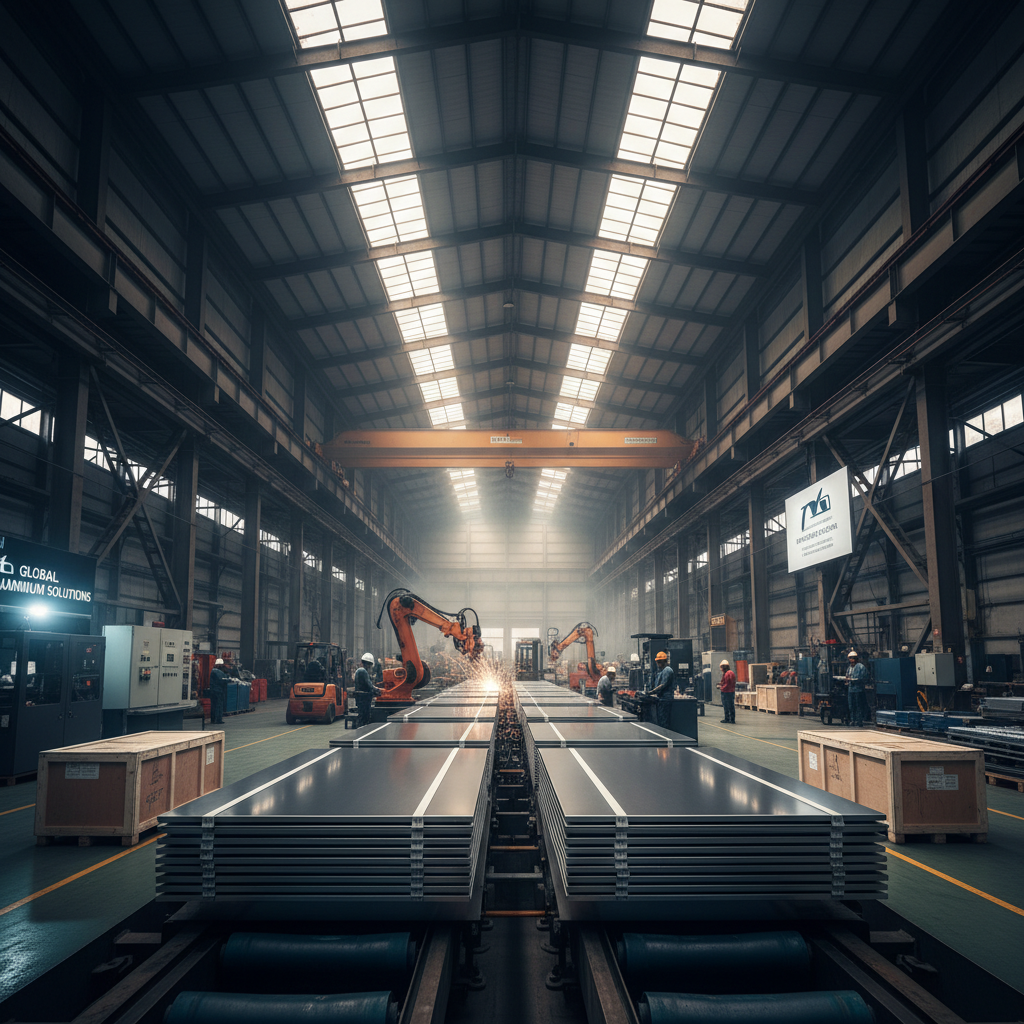
You know, I've been running around construction sites all year, smelling cement and dust, and lately, everyone's talking about aluminium composite panels. Seems like every other project wants them. It's not just about making things look fancy anymore, it's about speed, weight, and, frankly, getting the job done on time.
To be honest, I used to think it was all just cladding, but it's way more nuanced than that. We're seeing more and more requests for fire-rated panels, which is good, but that's where things get tricky. A lot of suppliers say they're fire-rated, but you gotta dig deeper, ask for the certifications, and really understand what those ratings mean. I encountered a mess at a factory in Foshan last time where they were fudging the test results… anyway, I won't go into that.
The whole industry's pushing for thinner, lighter panels. Makes sense, reduces structural load, easier to install. But then you start sacrificing rigidity. Finding that sweet spot is the real challenge.
What's Trending in the Industry?
Seriously, sustainability is huge. Everyone wants panels made with recycled content, and suppliers are scrambling to offer that. Have you noticed how many are touting "eco-friendly" options? It's great, but you gotta look past the marketing. Real recycled content, proper certifications… that's what matters.
Then there's the whole push for digital printing directly onto the panels. No more sticking on vinyl graphics, which is fantastic. Means faster turnaround, better quality, and less waste. Although, I've seen some prints fade quickly in harsh sunlight. Needs good UV protection, that's for sure.
Design Pitfalls: The Devil's in the Detail
Strangely enough, a lot of architects forget about the expansion and contraction of the panels. Aluminium expands and contracts with temperature changes, and if you don't account for that in the design, you're going to get buckling and cracking. It's a classic mistake.
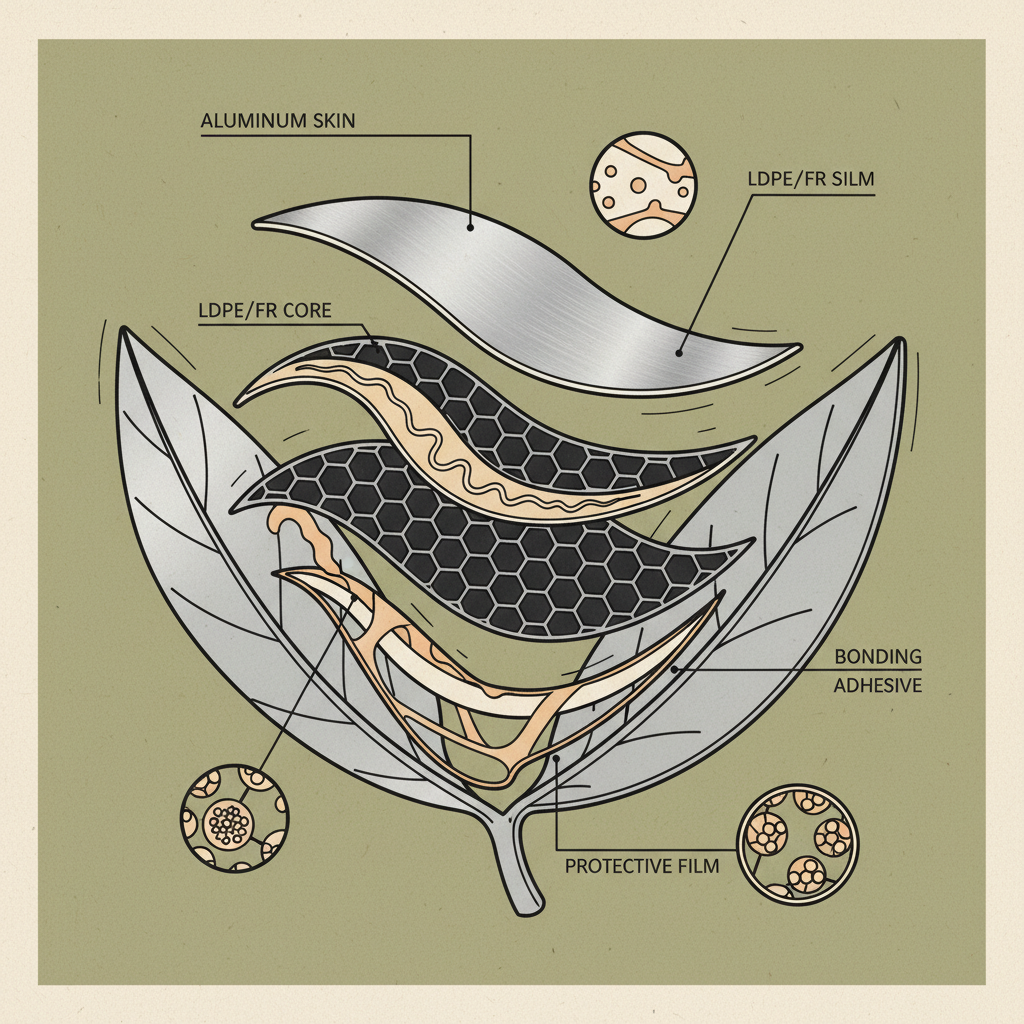
Another one is overlooking the substrate material. Different core materials (PE, FR, honeycomb) have different properties. Using the wrong core for the application can lead to all sorts of problems. I saw a whole building façade warp because they used a PE core in a high-sun exposure area. A complete disaster.
And don't even get me started on corners and edges. They're the weakest points, and if they're not properly sealed, water will get in and cause corrosion.
Materials: It's Not Just Aluminium
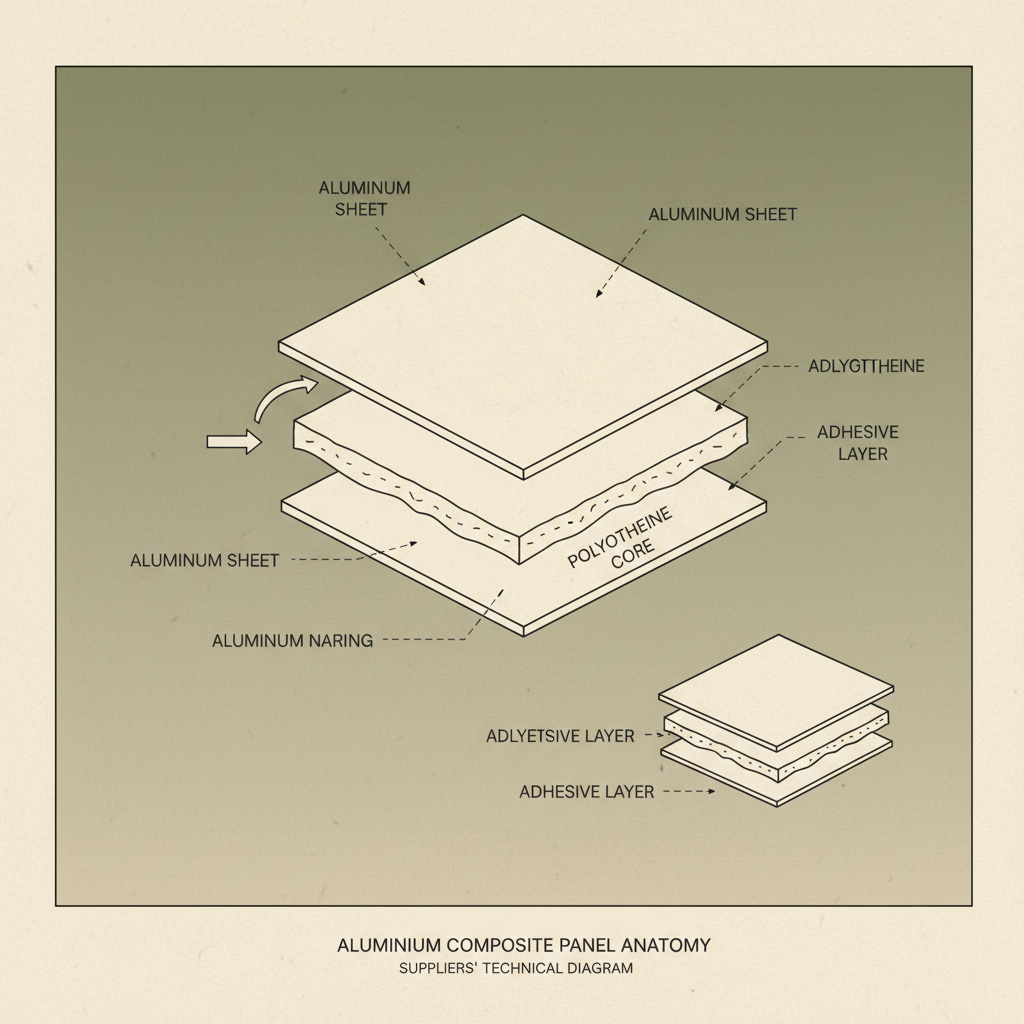
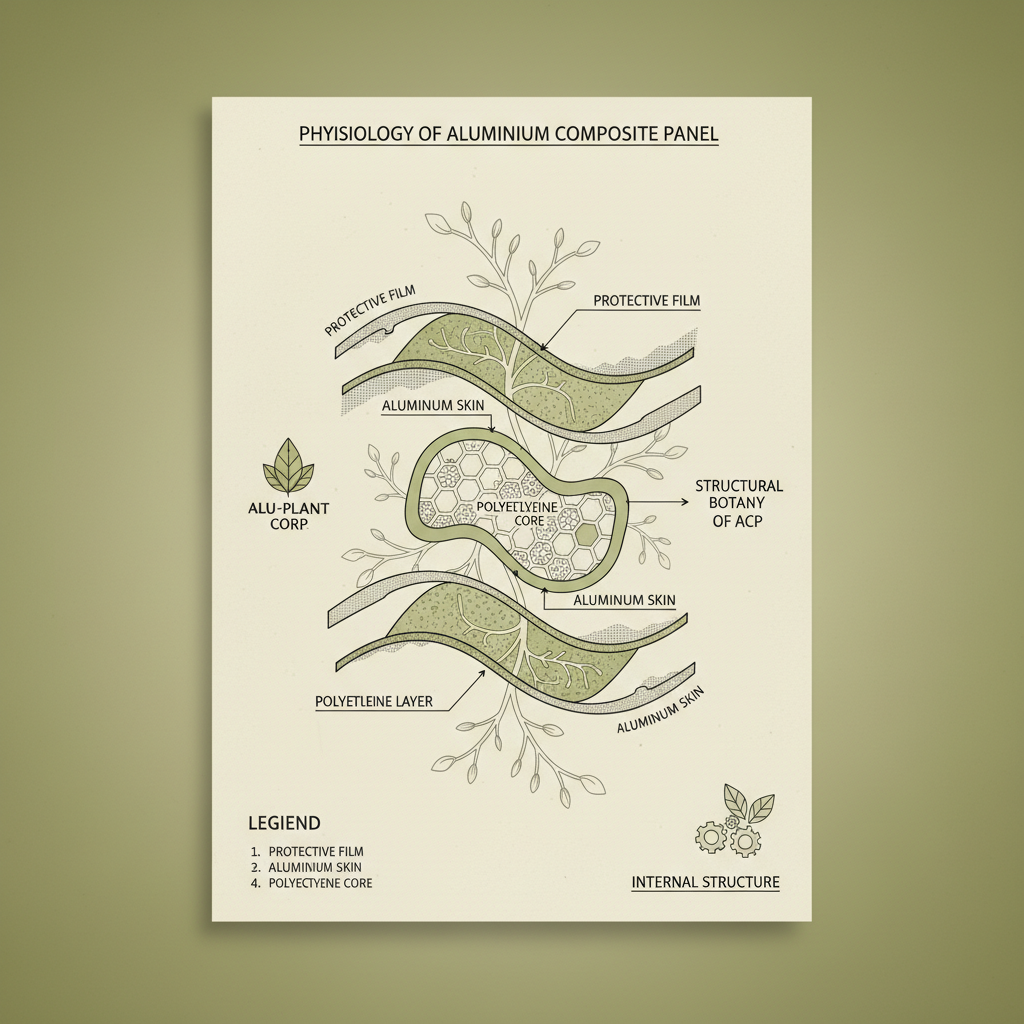
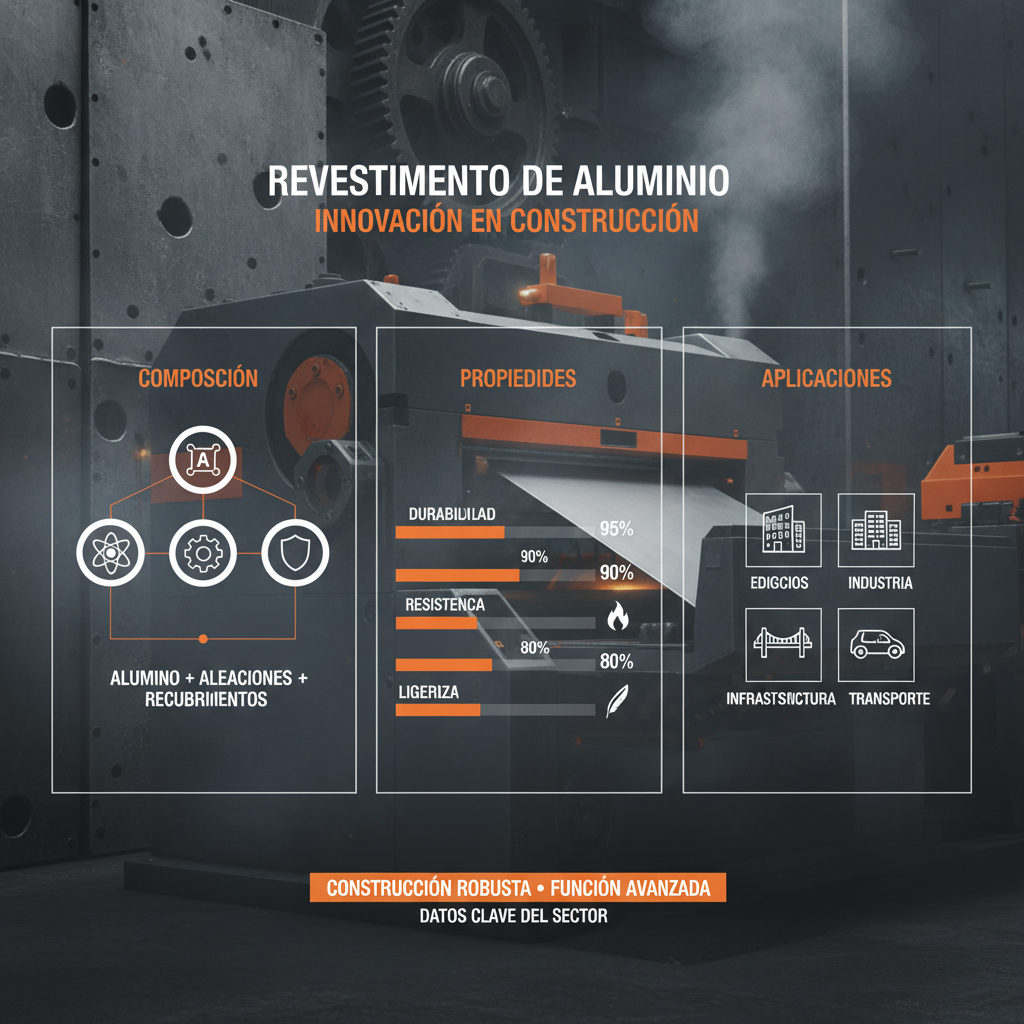
Okay, so it's aluminium composite panel, right? But there's a lot more going on than just aluminium sheets. The core material is critical. Polyethylene (PE) is the cheapest, but also the least fire-resistant. Fire-retardant (FR) cores are better, but they're also more expensive and can be a bit brittle. Honeycomb cores are lightweight and strong, but they're the most pricey.
You can actually smell the difference. PE cores have that plasticky smell, while FR cores are more… mineral-like, I guess. Handling them is different too. PE is softer, FR is more rigid.
The aluminium itself varies in alloy and thickness. Thicker gauges are more durable, but also heavier and harder to work with. It’s a trade-off.
Testing: Beyond the Lab Report
Lab tests are fine, but they don't tell the whole story. I always like to see panels tested in real-world conditions. What happens when you expose them to salt spray for a year? How do they hold up to hail? Can they withstand a hurricane?
I've seen panels pass all the lab tests, but then fail miserably when installed on a windy coastal building. The wind load just ripped them right off. It's crucial to consider the specific environmental conditions.
Testing Criteria for Aluminium Composite Panel Suppliers
How They’re Actually Used (And It's Not Always What You Think)
People think it's all about building facades. And it is, a lot of it. But I'm seeing more and more use in interior applications – partitions, wall coverings, even furniture. It’s a quick way to get a high-end look without breaking the bank.
They're also using it for signage, of course. But the interesting thing is, they're starting to use it for temporary structures – exhibition booths, event stages, that kind of thing. Lightweight, easy to assemble, and relatively cheap.
The Good, The Bad, and The Customizable
The advantages are pretty clear: speed of installation, lightweight, cost-effective, design flexibility. But it's not perfect. It can be dented, scratched, and it's not the most environmentally friendly material, even with the recycled options.
But customization is where it really shines. You can get it in almost any color, finish, and size. Last year, a client wanted a custom perforated panel with a specific pattern for a shopping mall façade. It was a challenging order, but the supplier delivered. They even matched the color perfectly. It’s this level of customization that sets good suppliers apart.
A Customer Story: The Interface Debacle
Last month, that small boss in Shenzhen who makes smart home devices insisted on changing the interface to on a batch of ACPs he was using for his product casings. He thought it would make them look more modern. But the supplier hadn’t accounted for the tighter tolerances required for the port, and the panels warped during the cutting process.
The whole batch was unusable. He lost a ton of money and almost missed his deadline. I told him, "Sometimes, you stick with what works." He didn’t listen. It just goes to show you, even the smallest detail can make or break a project.
Anyway, I think a lot of these problems could be avoided with better communication between the client, the supplier, and the installer.
Summary of Key Considerations for Aluminium Composite Panel Suppliers
| Supplier Reputation |
Panel Quality |
Customization Capabilities |
Lead Time & Logistics |
| Years in Business |
Core Material (PE, FR, Honeycomb) |
Color Matching Accuracy |
Delivery Time to Site |
| Client Testimonials |
Aluminium Thickness (mm) |
Perforation Pattern Options |
Shipping Costs |
| Certifications (ISO, Fire Rating) |
Panel Weight (kg/m²) |
Custom Size Availability |
Packaging Quality |
| Warranty Offered |
Panel Surface Finish |
Embossing Options |
Payment Terms |
| Financial Stability |
Panel Dimensional Accuracy |
Special Coating Options |
Customer Support |
| Responsiveness to Inquiries |
Panel Chemical Resistance |
Bending Radius |
Inventory Availability |
FAQS
Typically, a well-maintained ACP facade can last anywhere from 20 to 30 years. It really depends on the environment - coastal areas with salt spray will shorten that lifespan, as will areas with extreme temperature fluctuations. Proper installation and regular cleaning are key to maximizing durability. We always recommend a good quality coating to protect against UV damage.
Look for panels that have been tested and certified to relevant fire standards like EN 13501-1 or ASTM E84. Don't just take the supplier's word for it - ask to see the test reports. FR (Fire-Retardant) core panels are a better choice than PE (Polyethylene) core panels when fire safety is a concern, but even FR panels have varying levels of resistance.
Use a mild detergent and water solution with a soft cloth or sponge. Avoid abrasive cleaners or high-pressure washers, as these can scratch or damage the panel surface. Rinse thoroughly with clean water and dry with a clean cloth. Regular cleaning prevents dirt and grime from building up and causing staining.
Yes. You'll need a circular saw with a fine-tooth blade designed for cutting non-ferrous metals, or a guillotine shear. For installation, you'll need appropriate fasteners, sealant, and tools for creating expansion joints. It's important to follow the supplier's recommendations for installation techniques.
Yes, they can, but it's not always easy. The aluminium can be recovered and recycled, but separating the aluminium from the core material can be challenging. The recyclability also depends on the type of core material. There are increasingly companies specializing in ACP recycling, so it’s worth researching your local options.
PVDF (Polyvinylidene Fluoride) coatings are far more durable and resistant to UV degradation, making them ideal for long-term outdoor applications. PE (Polyethylene) coatings are cheaper but fade much faster. If you're looking for longevity and color retention, PVDF is the way to go. If it's a temporary or interior application, PE might be sufficient.
Conclusion
Ultimately, aluminium composite panels offer a compelling combination of cost-effectiveness, design flexibility, and ease of installation. But it's not a magic bullet. Success relies on careful selection of materials, proper installation techniques, and a clear understanding of the environmental conditions. You’ve got to know your suppliers, ask the right questions, and don't be afraid to push back if something doesn't seem right.
And remember, whether this thing works or not, the worker will know the moment he tightens the screw. They're the ones on the front lines, dealing with the realities of the job site. So listen to them, and don't underestimate the value of experience.