Understanding Composite Panels: A Comprehensive Guide
Composite panels are revolutionizing industries from construction and automotive to aerospace and marine. These materials offer a unique combination of strength, lightness, and versatility. This article provides a detailed overview of composite panels, exploring their composition, types, applications, benefits, and future trends. We'll also discuss how ACM Factory provides high-quality composite panel solutions. Investing in the right composite panel can drastically improve project efficiency and durability.
What are Composite Panels?
At their core, composite panels are created by combining two or more constituent materials with significantly different physical or chemical properties. These materials work together to create a new material—the composite—that exhibits enhanced characteristics compared to the individual components. Typically, a composite panel consists of a reinforcing material (like fiberglass, carbon fiber, or aramid fiber) embedded in a matrix material (like epoxy, polyester, or vinyl ester resin). The reinforcement provides strength and stiffness, while the matrix holds the reinforcement together and distributes the load. ACM Factory's composite panels utilize advanced materials for optimal performance.
Key Highlights: Composite panels combine materials for superior strength, lightweight properties, and design flexibility.
Types of Composite Panels
There are several types of composite panels, each suited for different applications. Some of the most common include:
- Fiberglass Reinforced Panels (FRP): Cost-effective and versatile, ideal for general-purpose applications.
- Carbon Fiber Reinforced Panels (CFRP): Exceptionally strong and lightweight, commonly used in aerospace and high-performance automotive industries.
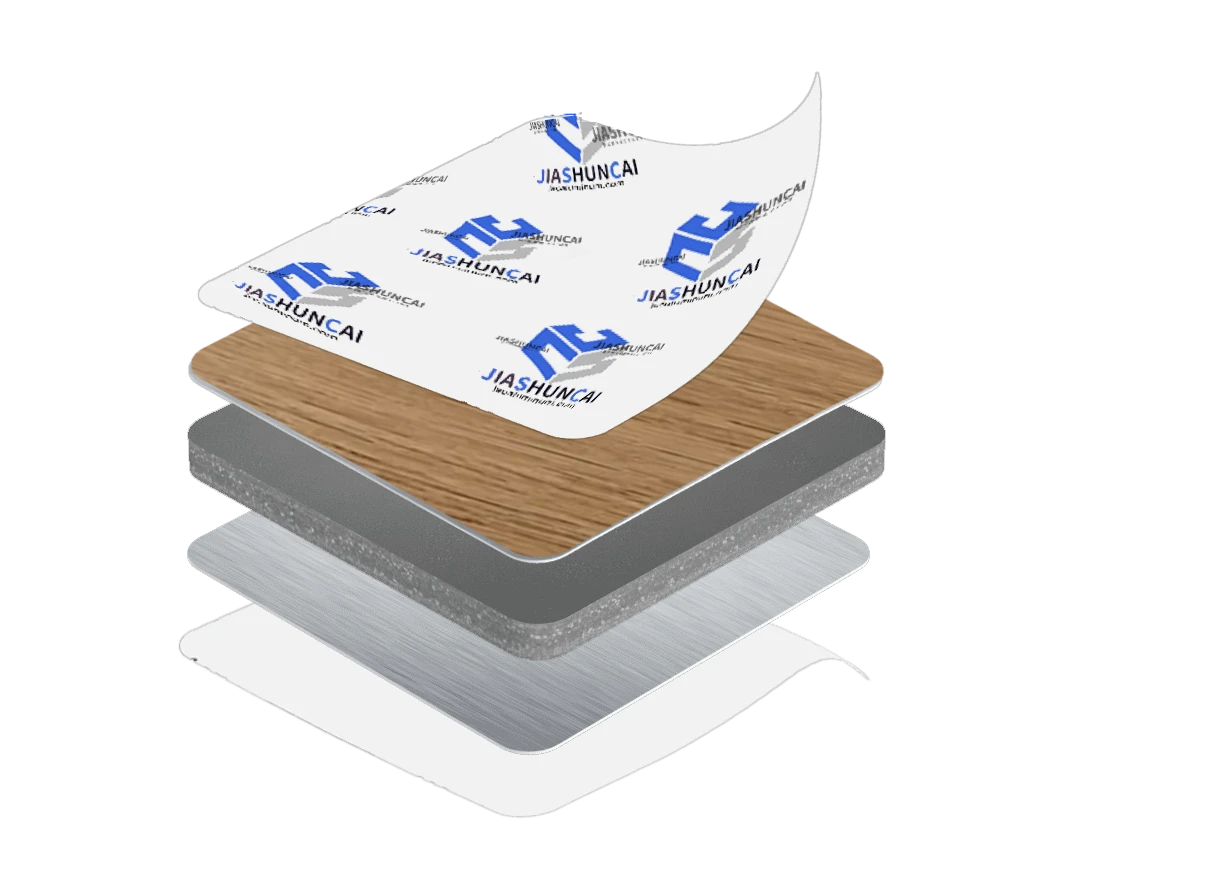
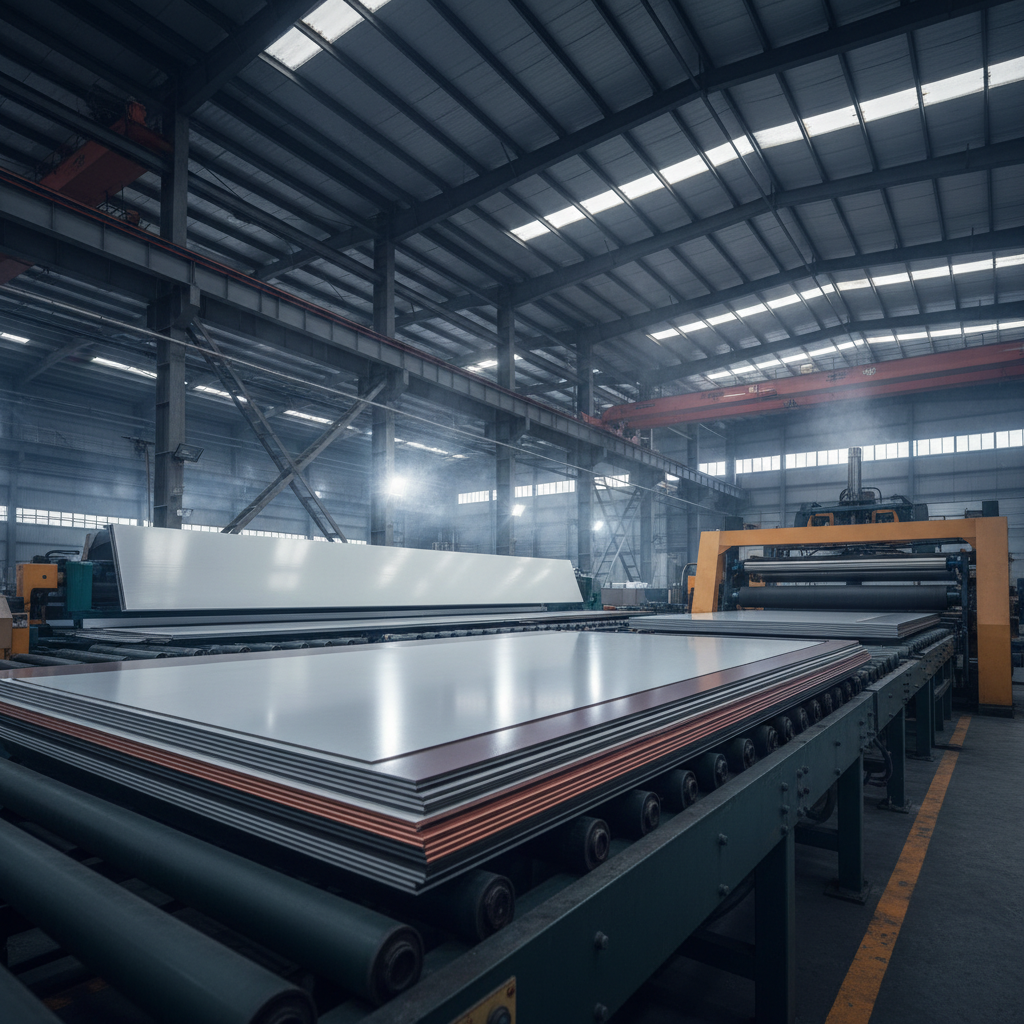
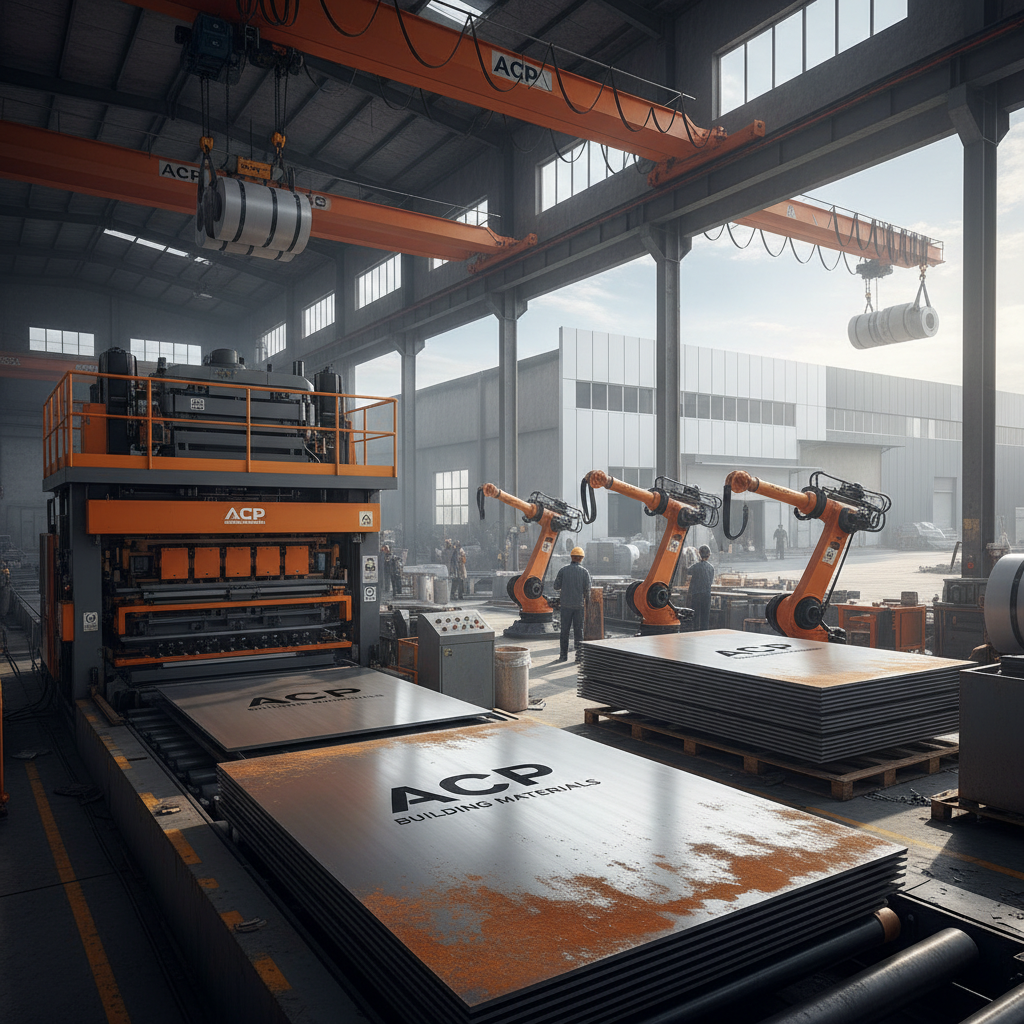
- Aluminum Composite Panels (ACP): Consisting of aluminum sheets bonded to a non-aluminum core, these panels are popular in architectural cladding and signage.
- Honeycomb Panels: Lightweight panels with a honeycomb core sandwiched between two face sheets, offering high strength-to-weight ratio.
Benefits of Using Composite Panels
Choosing composite panels over traditional materials offers numerous advantages. These include:
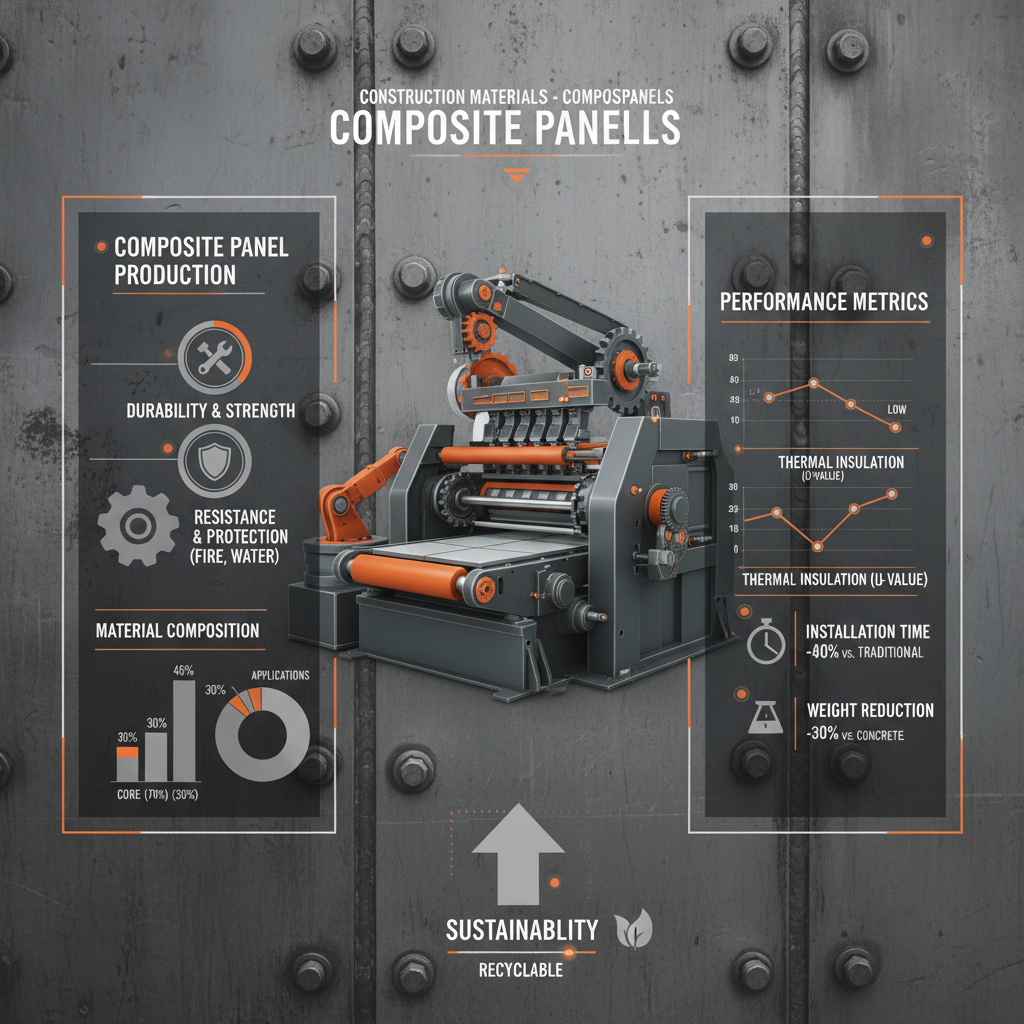
- High Strength-to-Weight Ratio: Composite panels are significantly lighter than steel or aluminum while maintaining comparable strength.
- Corrosion Resistance: Unlike metals, composites do not rust or corrode, making them ideal for harsh environments.
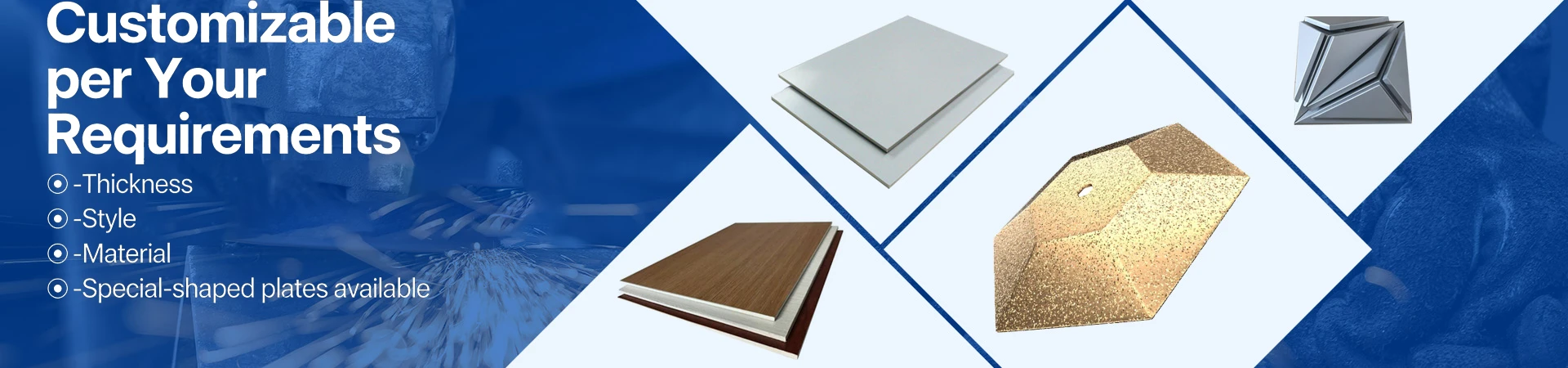
- Design Flexibility: Composites can be molded into complex shapes and customized to meet specific requirements.
- Thermal and Electrical Insulation: Many composite materials offer excellent insulation properties.
- Durability and Longevity: Properly manufactured and maintained composite panels can have a long service life.
Key Benefits Summarized:
• Lightweight and strong
• Resistant to corrosion
• Design flexibility
• Excellent insulation properties
Composite Panels: Applications Across Industries
The versatility of composite panels makes them suitable for a broad range of applications. Here’s a comparison:
| Industry |
Typical Applications |
| Construction |
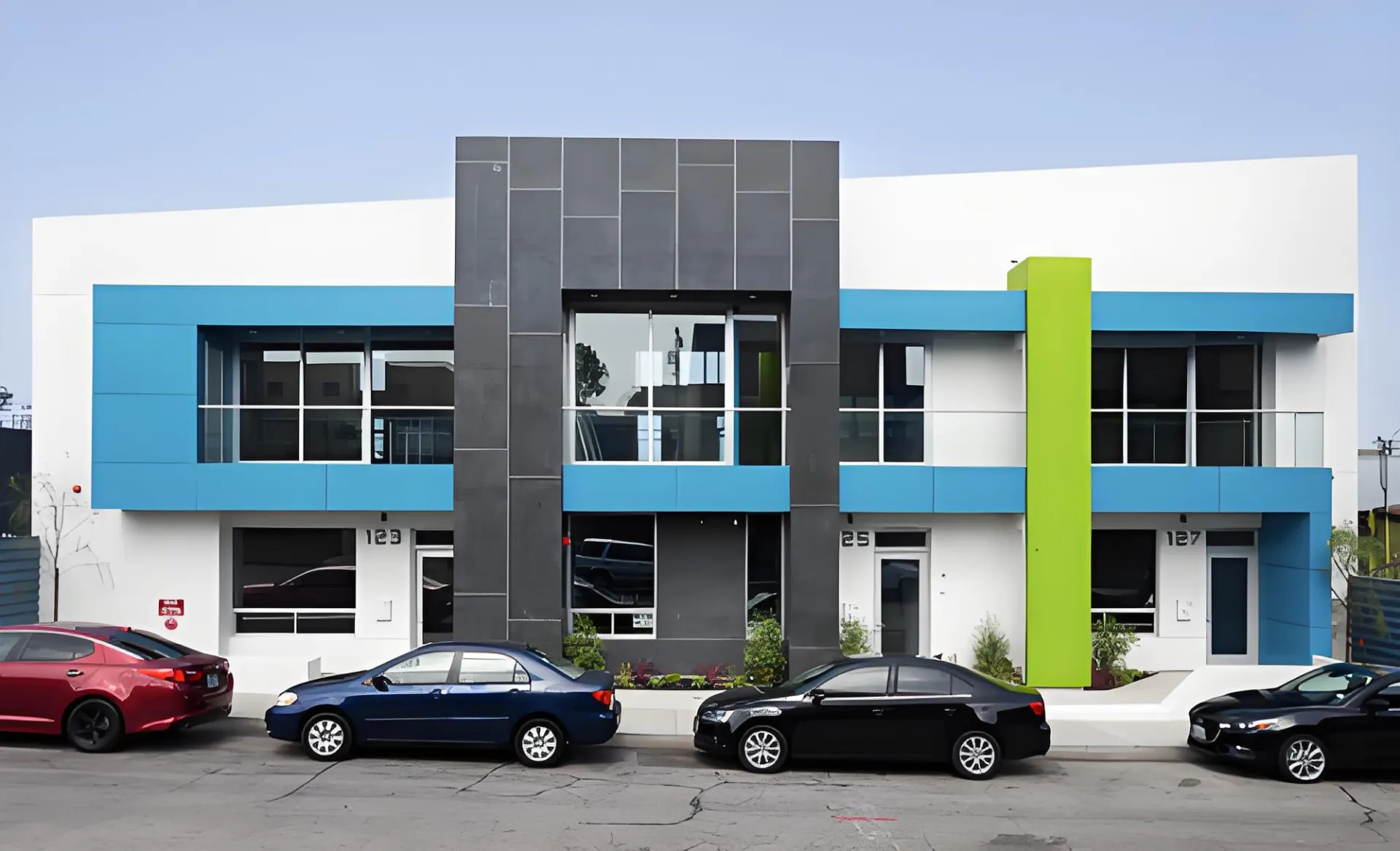
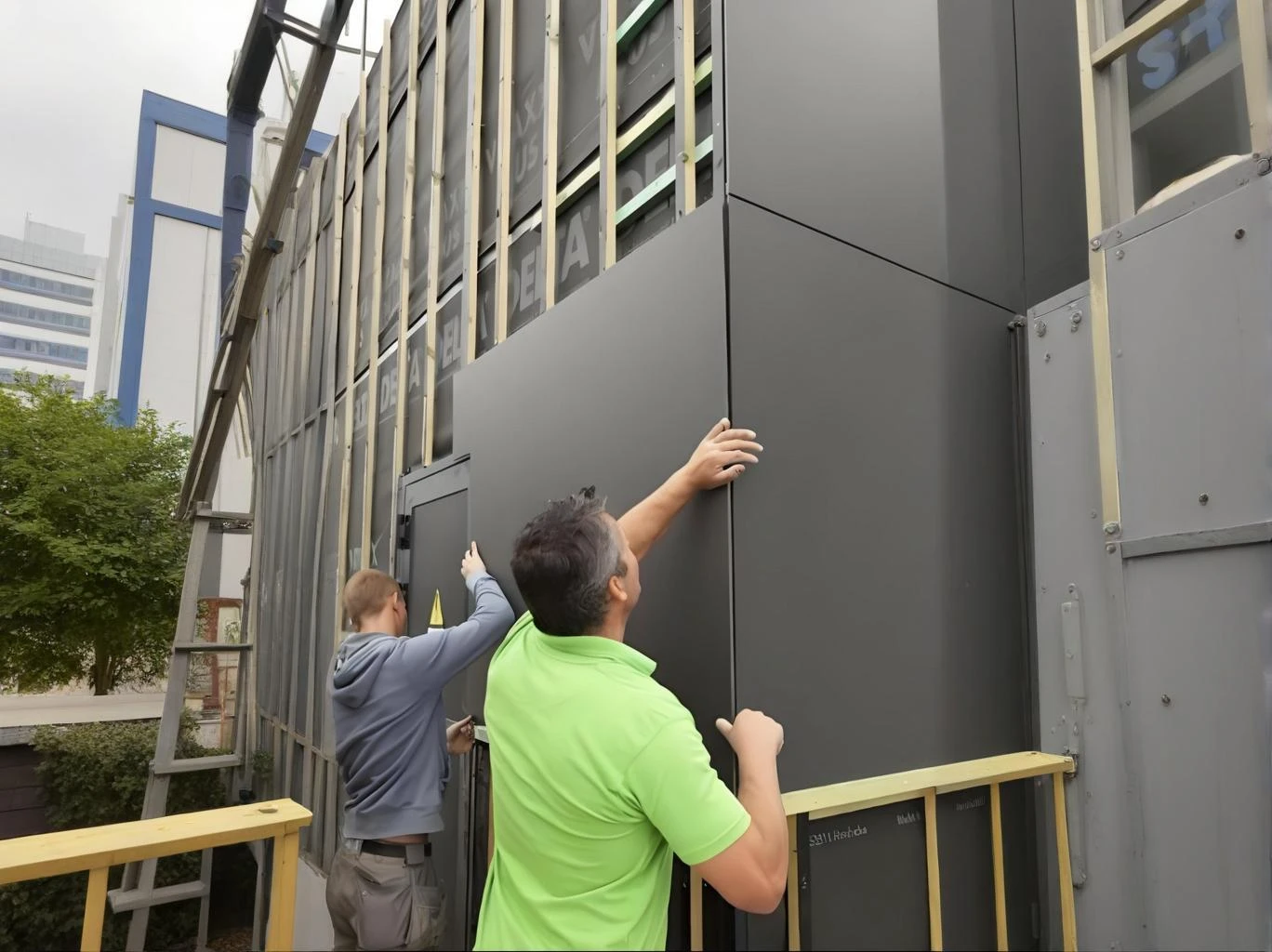
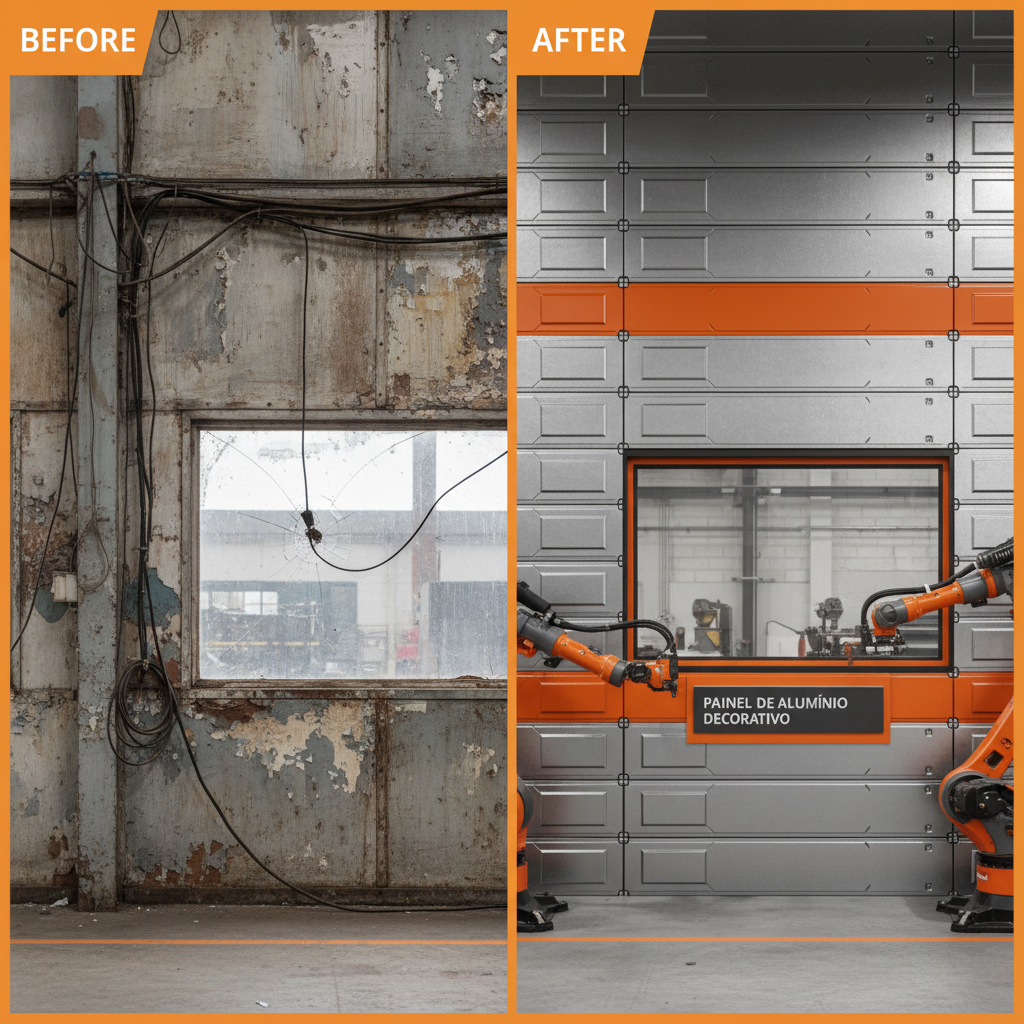
Wall cladding, roofing, facade systems, prefabricated buildings. |
| Automotive |
Body panels, interior components, structural parts. |
| Aerospace |
Aircraft wings, fuselage sections, interior panels. |
| Marine |
Boat hulls, decks, superstructures. |
Choosing the Right Composite Panel Supplier: ACM Factory
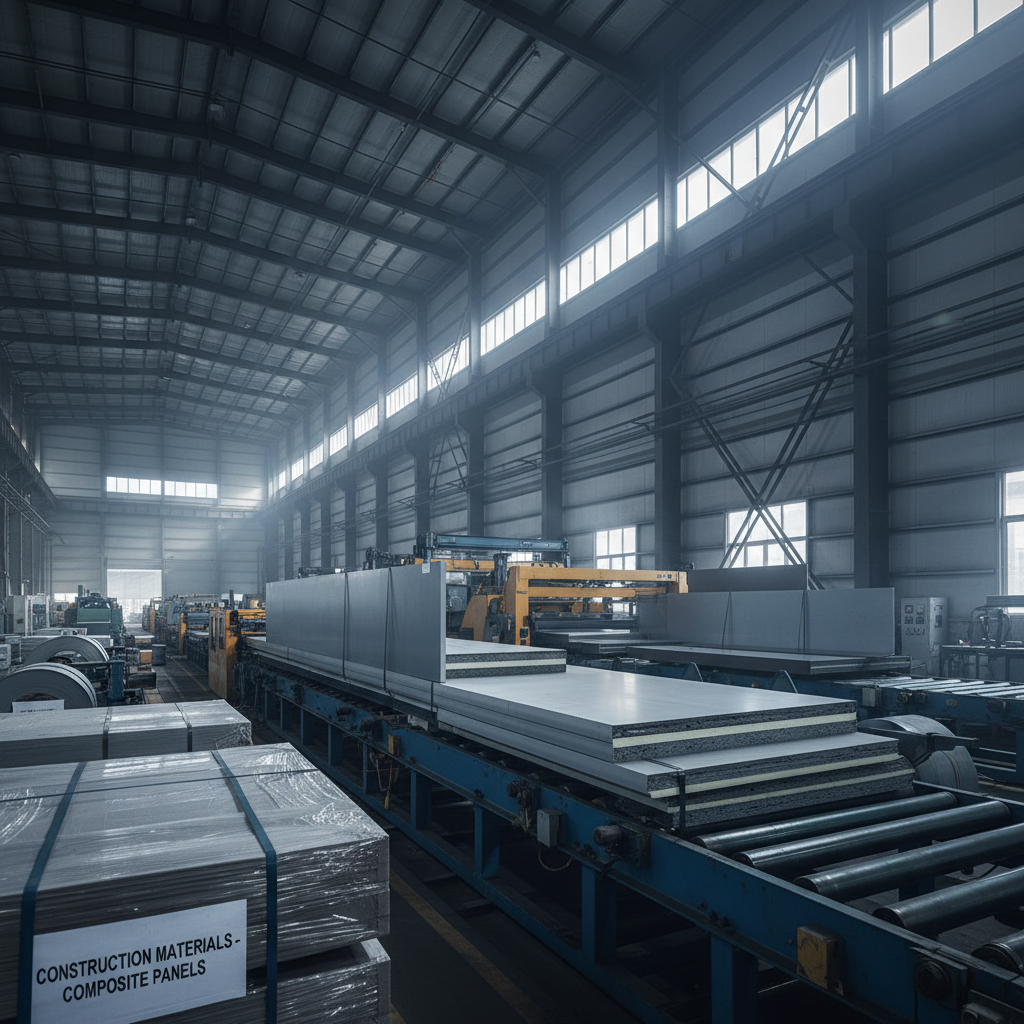
Selecting a reliable supplier is crucial when sourcing composite panels. ACM Factory offers a wide range of high-quality composite panels, tailored to meet diverse industry needs. We provide custom fabrication, expert technical support, and competitive pricing. Our commitment to quality and customer satisfaction makes us a trusted partner for businesses across various sectors.
Conclusion: The Future is Composite
Composite panels are transforming industries with their exceptional properties and versatility. ACM Factory is dedicated to providing innovative and reliable composite panel solutions. Partner with us to unlock the full potential of this advanced material for your projects.
Frequently Asked Questions (FAQs)
What are the main factors influencing the cost of composite panels?
The cost of composite panels is influenced by several factors, including the type of reinforcement fiber (carbon fiber being more expensive than fiberglass), the resin system used, the manufacturing process, panel thickness, and the complexity of the design. Larger quantities typically result in lower per-unit costs. ACM Factory provides competitive pricing and transparent quotes, taking into account all these variables. Customization and specific performance requirements will also affect the final price.
How do composite panels perform in extreme temperatures?
The temperature performance of composite panels depends on the resin system used. Some resins are more susceptible to degradation at high temperatures, while others offer excellent thermal stability. Generally, composites maintain their strength and stiffness at both low and high temperatures better than many metals. However, prolonged exposure to extreme temperatures can affect their long-term performance. ACM Factory offers composite panels specifically designed for challenging temperature environments.
Are composite panels recyclable?
Recycling composite panels is challenging due to the combination of different materials. However, advancements are being made in recycling technologies. Current methods include mechanical grinding, pyrolysis, and solvolysis. These processes allow for the recovery of fibers and resins, which can be used in new applications. ACM Factory is committed to sustainable practices and exploring environmentally friendly disposal options.
What maintenance is required for composite panels?
Composite panels generally require minimal maintenance. Regular cleaning with mild soap and water is usually sufficient to remove dirt and debris. Avoid using abrasive cleaners or solvents, as these can damage the surface. Periodic inspections for cracks or damage are recommended. Repairing minor damage promptly can prevent it from escalating. ACM Factory can provide guidance on proper maintenance and repair procedures.