The Ultimate Guide to Aluminum Cladding for Modern Architecture
In the evolving world of architectural design, the exterior skin of a building is more than just a protective layer; it is a statement of style, sustainability, and strength. Aluminum cladding has emerged as a premier choice for architects and developers worldwide, offering an unparalleled combination of lightweight properties and extreme durability. Whether it is for a high-rise commercial complex or a contemporary residential home, choosing the right cladding system can significantly impact the building's energy efficiency and aesthetic appeal. In this guide, we will explore why this material is dominating the global construction market and how to maximize its benefits for your next project.
Unmatched Advantages of Aluminum Cladding
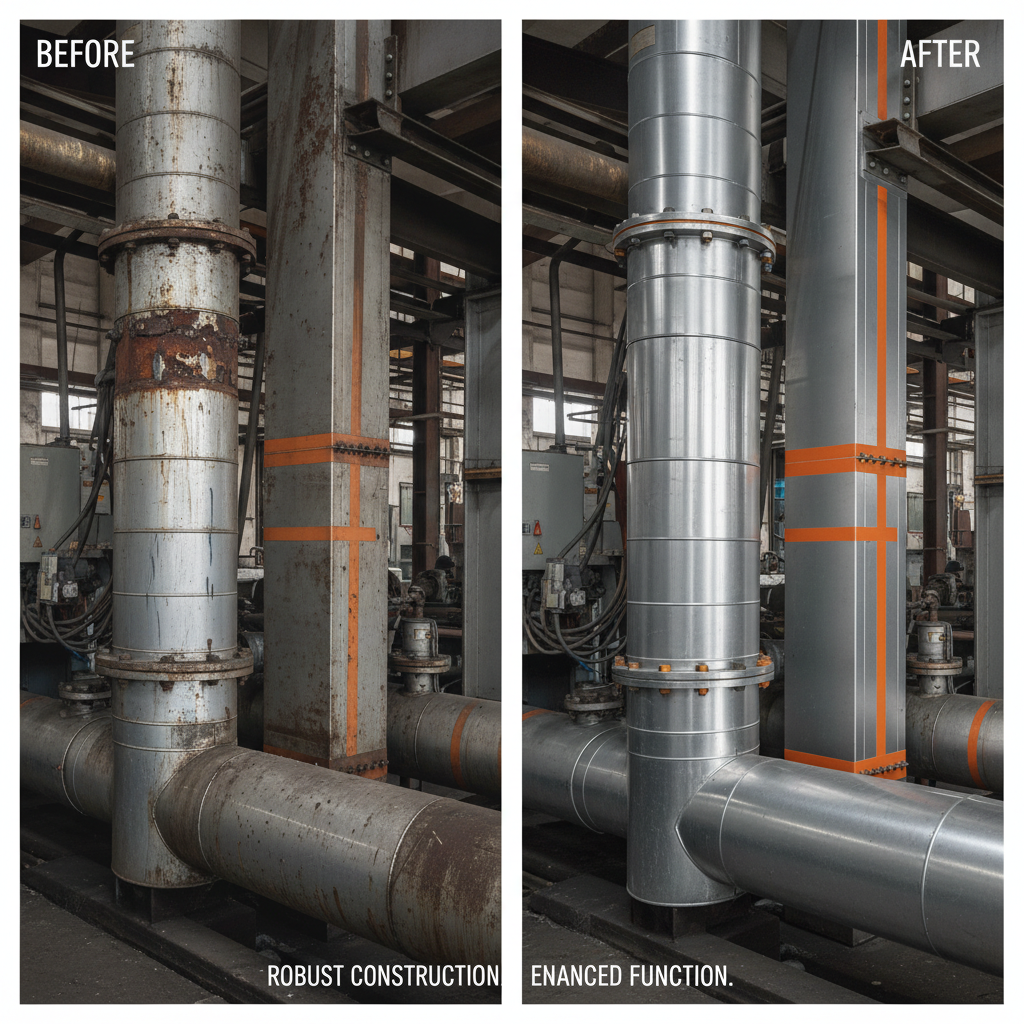
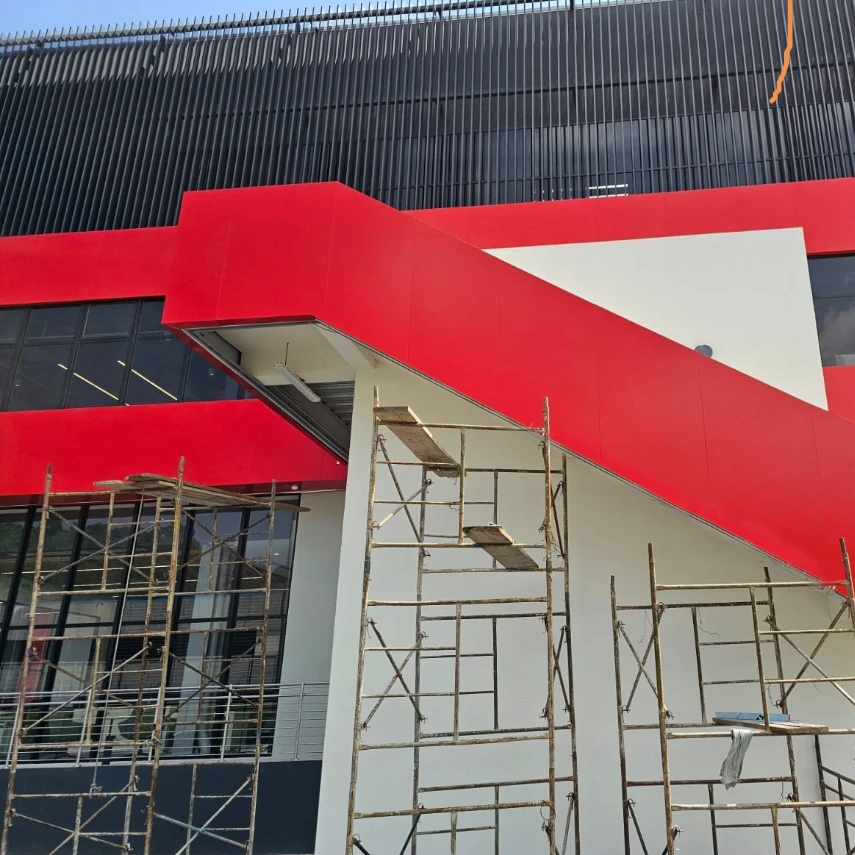
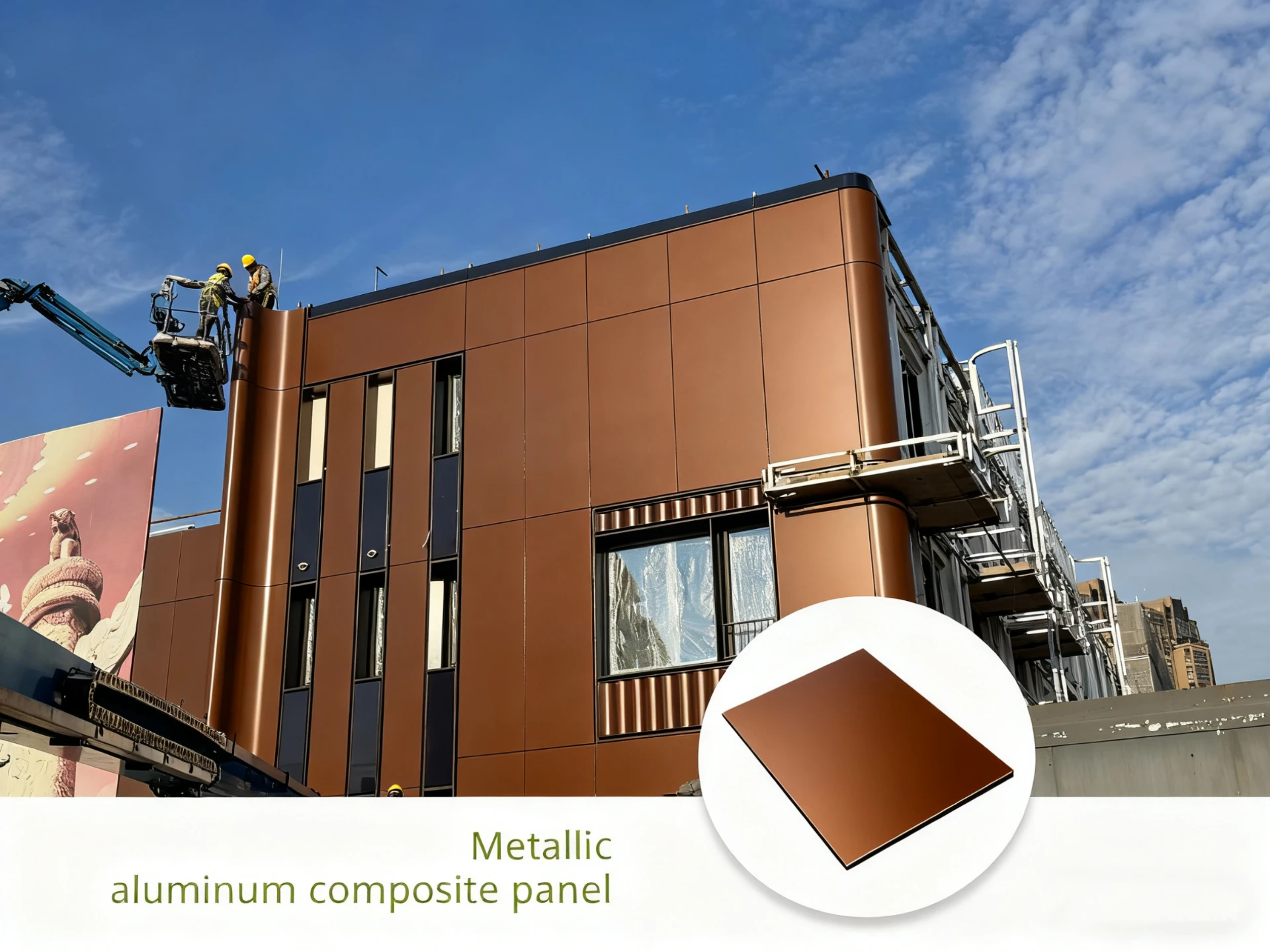
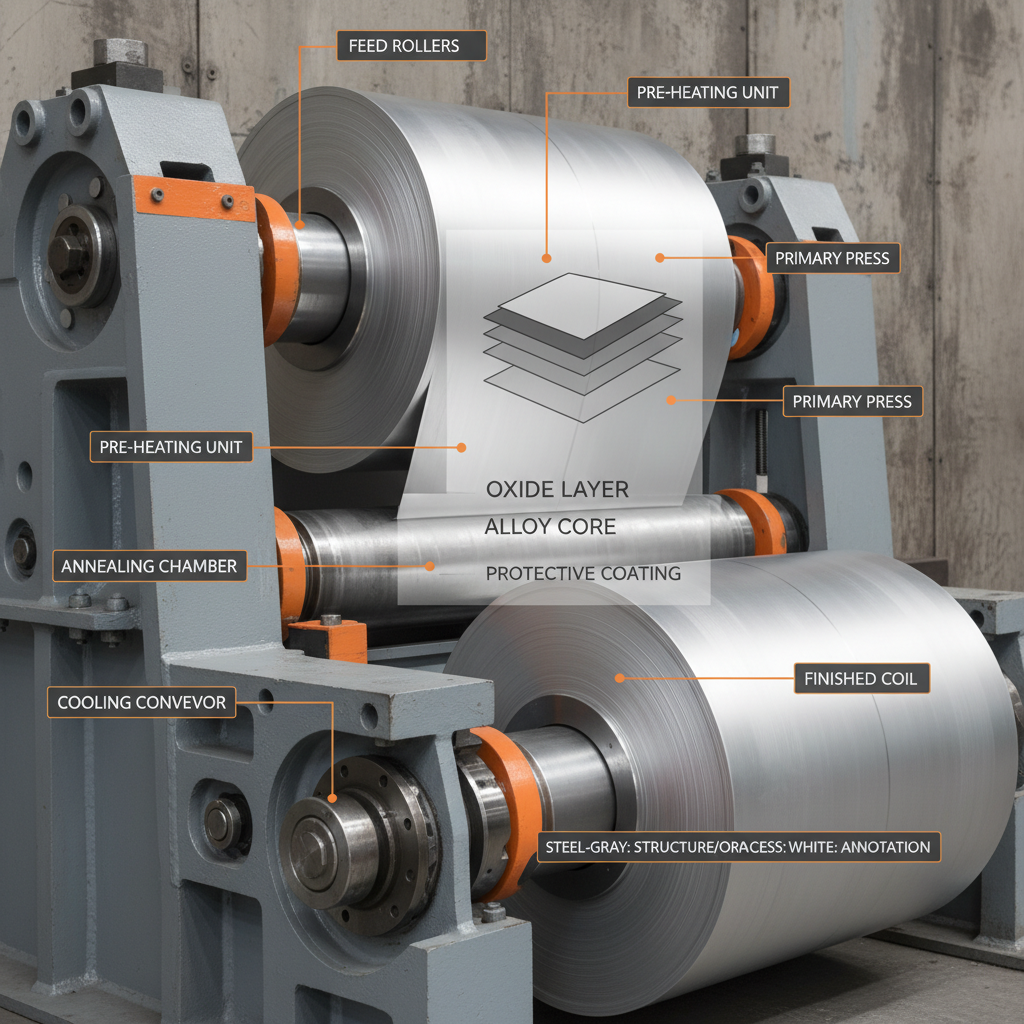
The primary appeal of aluminum cladding lies in its inherent resistance to corrosion. Unlike steel, which can rust, or wood, which can rot, aluminum naturally forms a protective oxide layer that shields it from the elements. This makes it an ideal solution for coastal regions where salt spray often degrades other materials. Furthermore, its high strength-to-weight ratio reduces the structural load on the building, simplifying the installation process and reducing overall construction costs. The versatility in finishes—ranging from metallic to matte and custom colors—allows designers to achieve a sleek, futuristic look without compromising on performance.
Quick Benefit Summary: Corrosion resistance, lightweight installation, low maintenance requirements, and endless customization options for a premium architectural finish.
Comparing Aluminum Cladding with Traditional Materials
When deciding on a facade material, it is essential to compare the long-term value. While materials like brick or stone are timeless, they are often heavy and labor-intensive to install. On the other hand, aluminum cladding provides a modern alternative that is significantly faster to deploy and easier to maintain. The following table illustrates the key differences in performance and longevity between aluminum and common alternatives.
| Feature |
Aluminum Cladding |
Traditional Brick/Stone |
Timber Cladding |
| Installation Speed |
Very Fast |
Slow |
Moderate |
| Maintenance |
Low (Wash & Wear) |
Moderate (Repointing) |
High (Staining/Painting) |
| Weight |
Lightweight |
Very Heavy |
Moderate |
| Durability |
High (Non-Corrosive) |
Very High |
Low to Moderate |
Sustainability and Eco-Friendliness of Aluminum
In today's green building era, the environmental impact of construction materials is under scrutiny. Aluminum cladding is a champion of sustainability because it is 100% recyclable. Unlike many composite materials that end up in landfills, aluminum can be melted down and reused indefinitely without losing its physical properties. This circular economy approach reduces the need for primary mining and lowers the carbon footprint of the project. Moreover, high-quality cladding systems often integrate thermal breaks that improve the insulation of the building, leading to lower energy consumption for heating and cooling.
Technical Specifications of Professional Aluminum Cladding
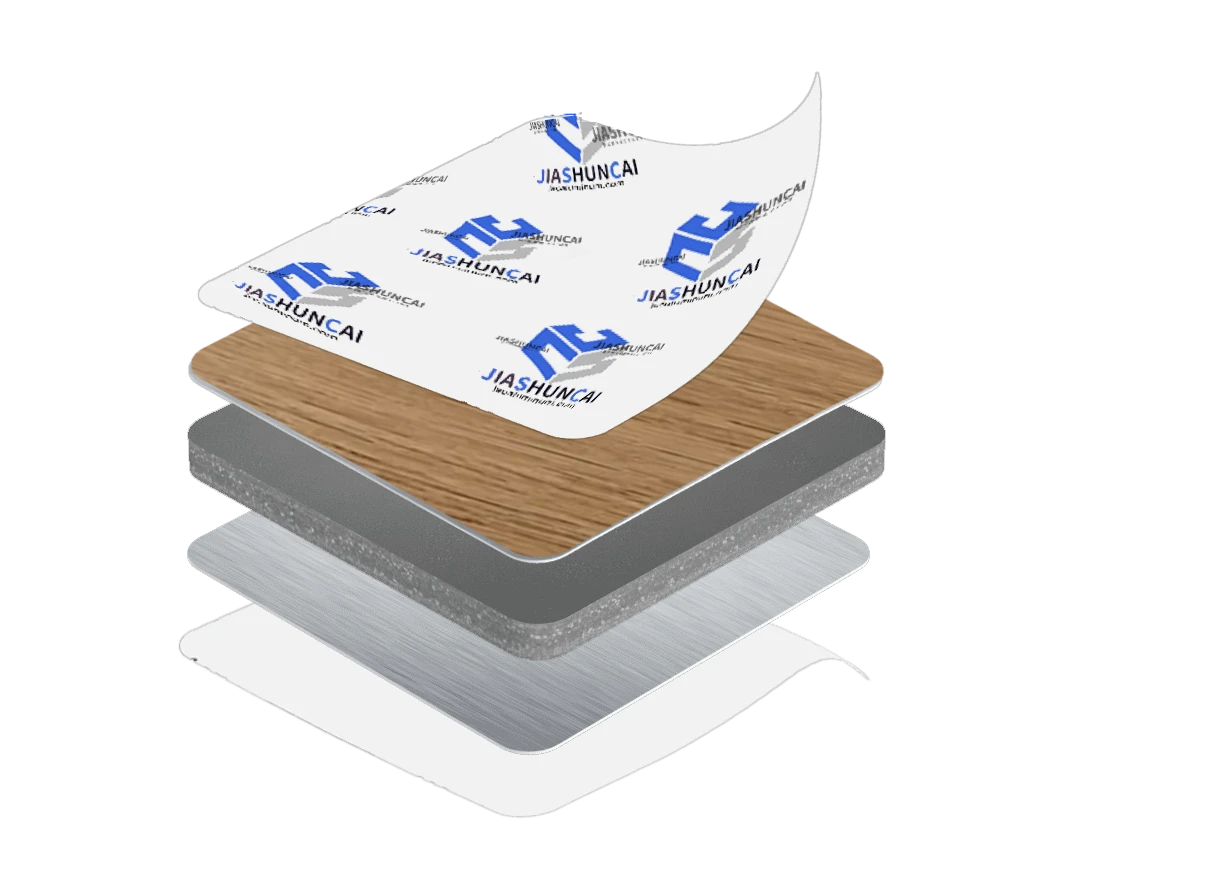
To ensure the longevity of a facade, it is crucial to understand the technical specifications. Most professional-grade aluminum cladding utilizes an Alloy 3003 or 5005 for a balance of formability and strength. The coating—usually PVDF (Polyvinylidene Fluoride)—is what provides the weather resistance and color stability over decades. Below are the typical technical specifications found in high-performance architectural panels.
| Parameter |
Standard Specification |
| Alloy Grade |
AA3003 / AA5005 |
| Panel Thickness |
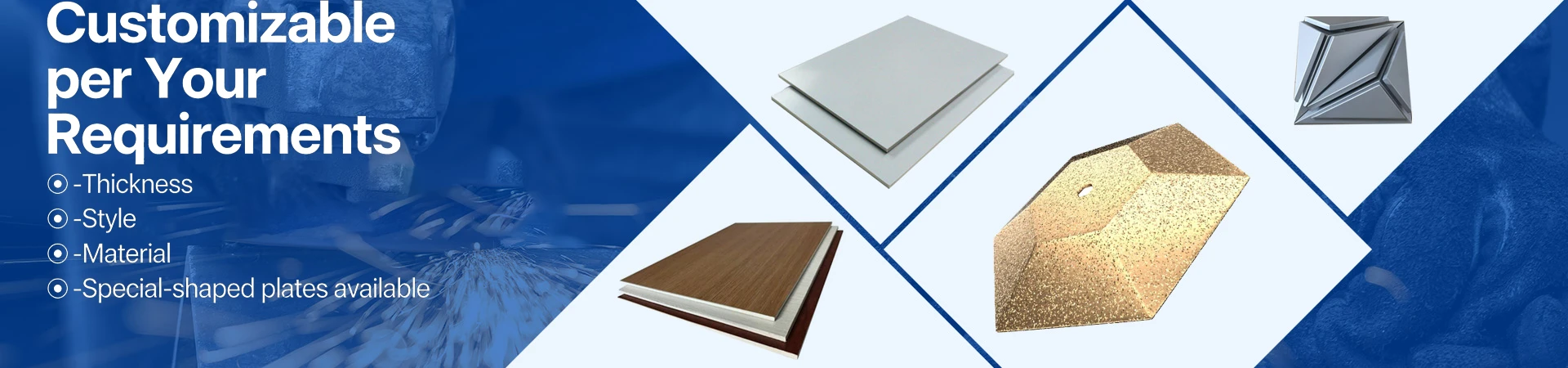
3mm, 4mm, 6mm (Customizable) |
| Coating Type |
PVDF / Polyester Powder Coating |
| Surface Finish |
Glossy, Matte, Brushed, Mirror |
Installation and Maintenance Best Practices
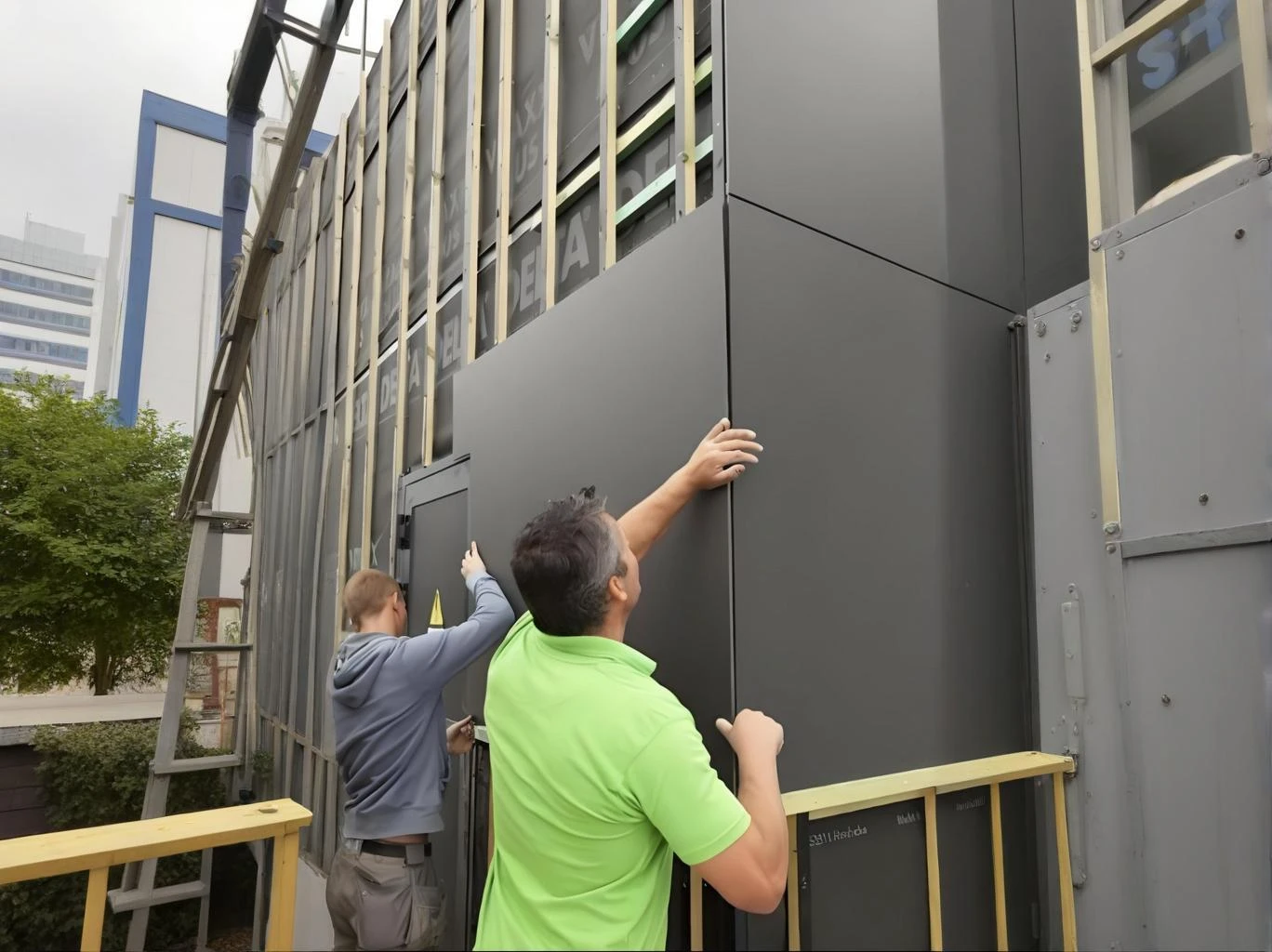
While aluminum cladding is designed for low maintenance, following specific installation protocols ensures a flawless finish. It is recommended to use a rainscreen system, which allows moisture to drain and air to circulate behind the panels, preventing mold and structural decay. During installation, the use of non-corrosive fasteners (such as stainless steel) is non-negotiable to avoid galvanic corrosion. For maintenance, a simple cleaning with mild soap and water twice a year is usually sufficient to keep the facade looking brand new, regardless of the environment.
Future Trends in Architectural Cladding
The future of aluminum cladding is moving toward "smart facades." We are seeing an increase in the integration of photovoltaic cells directly into the aluminum panels, allowing buildings to generate their own electricity. Additionally, 3D parametric design is enabling the creation of complex, undulating surfaces that were previously impossible or too expensive to build. As the industry shifts further toward LEED and BREEAM certifications, the role of recyclable, high-performance aluminum will only grow, blending artistic expression with rigorous engineering standards.
Conclusion: Elevate Your Project with Aluminum Cladding
Choosing aluminum cladding is an investment in the longevity, efficiency, and beauty of a building. Its ability to withstand harsh weather, coupled with its recyclable nature and design flexibility, makes it the superior choice for the modern era. By prioritizing quality materials and professional installation, you can ensure that your structure remains a landmark of architectural excellence for decades to come. Trust in the strength and elegance of aluminum to define your architectural vision.
Frequently Asked Questions (FAQs)
How long does aluminum cladding typically last?
High-quality aluminum cladding is designed to last for several decades, often 30 to 50 years, with minimal maintenance. The lifespan depends largely on the quality of the coating used. PVDF coatings are particularly praised for their ability to resist fading and chalking even under intense UV exposure. Because aluminum does not rust, the structural integrity of the panels remains intact far longer than traditional steel or timber options. Regular cleaning prevents the buildup of pollutants that could potentially wear down the finish over very long periods.
Is aluminum cladding expensive compared to other options?
While the initial material cost of aluminum may be higher than basic vinyl or some timber products, the total cost of ownership is often lower. This is due to the significant reduction in maintenance costs and the speed of installation, which lowers labor expenses. Additionally, the added value to the property's aesthetic and the energy savings from improved thermal performance make it a cost-effective long-term investment. When considering the durability and lack of replacement needs, aluminum often proves more economical than cheaper alternatives.
Can aluminum cladding be used in extreme climates?
Yes, aluminum cladding is exceptionally well-suited for extreme climates. In freezing temperatures, it does not become brittle like some plastics, and in intense heat, it maintains its structural stability. Its natural corrosion resistance is vital for humid, tropical environments and salt-heavy coastal areas. To optimize performance in extreme cold or heat, we recommend integrating a high-quality insulation layer and a rainscreen system, which prevents thermal bridging and moisture accumulation, ensuring the building remains energy-efficient regardless of external conditions.
How do I choose the right finish for my aluminum panels?
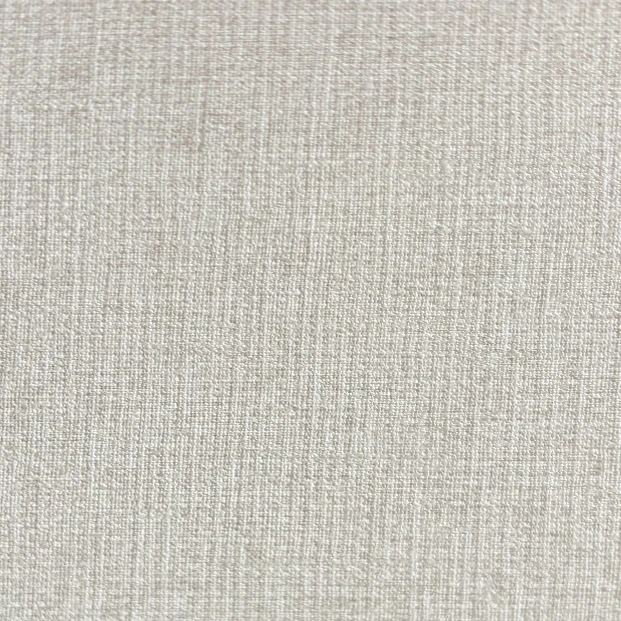
Choosing a finish depends on your desired aesthetic and the building's environment. Glossy finishes offer a high-tech, clean look and are very easy to clean, making them ideal for urban commercial centers. Matte finishes provide a sophisticated, understated elegance and are better at hiding fingerprints or minor surface scratches. Brushed or Anodized finishes offer a raw, industrial feel that is highly durable. For a custom brand identity, PVDF powder coating allows for any specific RAL color. We suggest reviewing samples under actual site lighting to ensure the color reflects your vision.