Understanding ACM Boards: A Comprehensive Guide
ACM (Aluminum Composite Material) boards are versatile and increasingly popular materials used in a wide range of applications, from architectural cladding to signage. Their lightweight nature, durability, and aesthetic appeal make them a preferred choice for both interior and exterior projects. This article delves into the characteristics, applications, benefits, and considerations when using ACM boards, offering insights for professionals and anyone considering this material. Understanding the nuances of ACM boards will ensure successful project outcomes and long-lasting results.
What are ACM Boards?
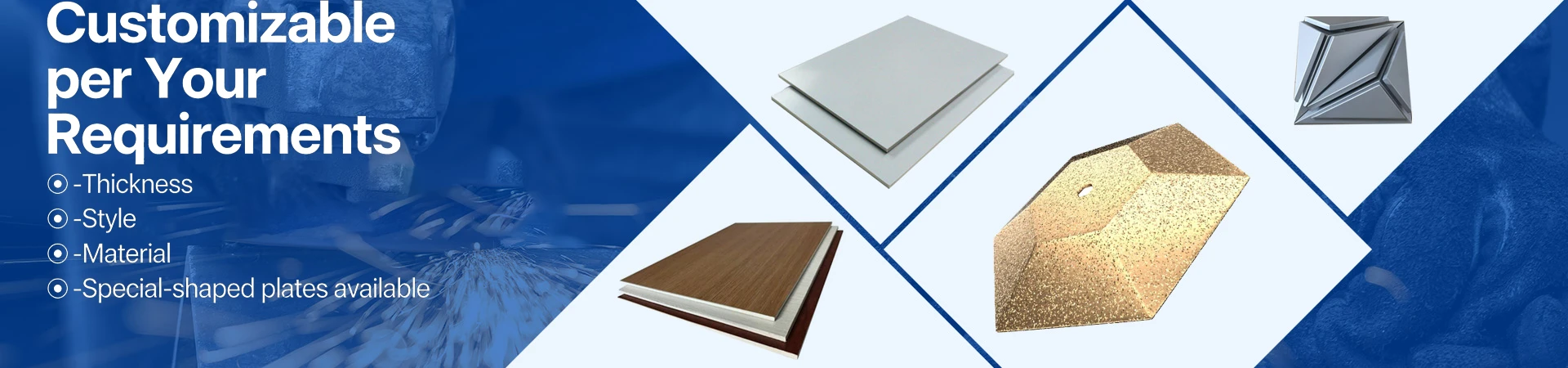
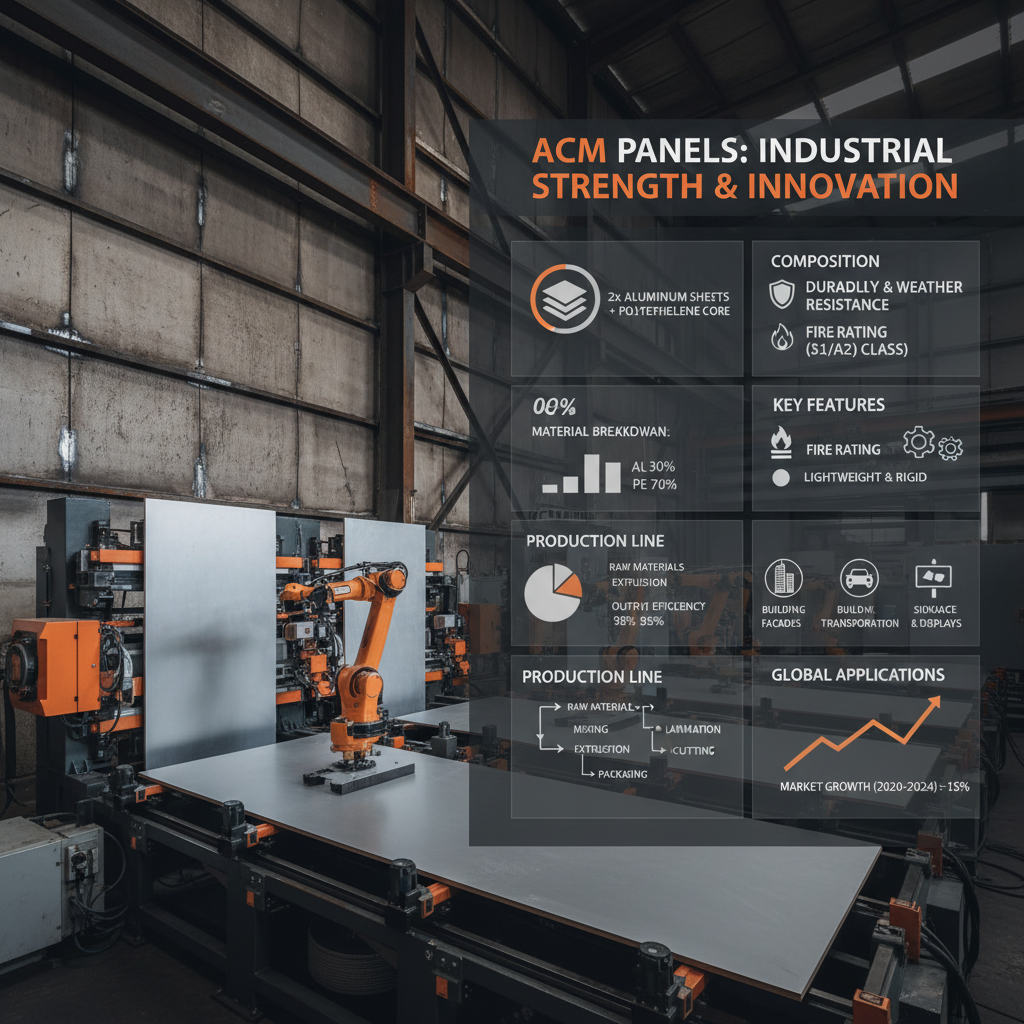
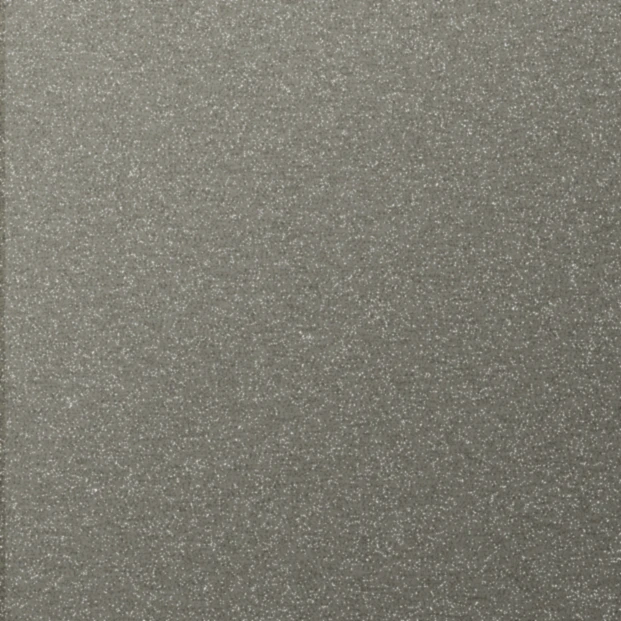
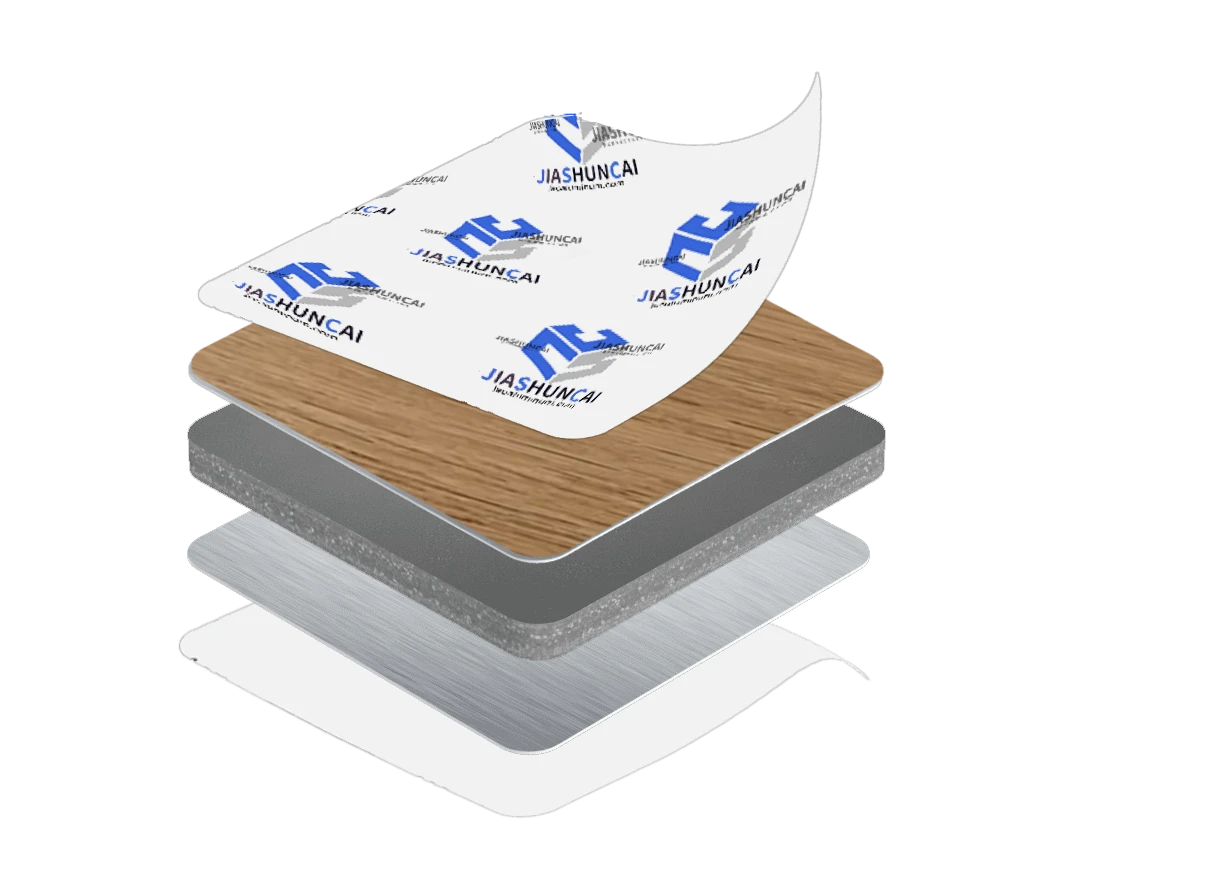
ACM boards are comprised of two thin aluminum sheets bonded to a non-aluminum core. The core material is commonly polyethylene (PE), but fire-retardant (FR) mineral-filled cores are also available. This construction provides excellent strength, flatness, and weather resistance. The aluminum sheets can be coated with various finishes, including PVDF (Polyvinylidene Fluoride), polyester, and acrylic, offering a wide array of colors and textures. ACM boards from reputable manufacturers like ACMFactory are known for consistent quality and performance.
Key Highlights: ACM boards combine the strength of aluminum with the lightweight characteristics of a core material, resulting in a durable and versatile building panel.
Common Applications of ACM Boards
The versatility of ACM boards allows for a diverse range of applications. They are widely used for:
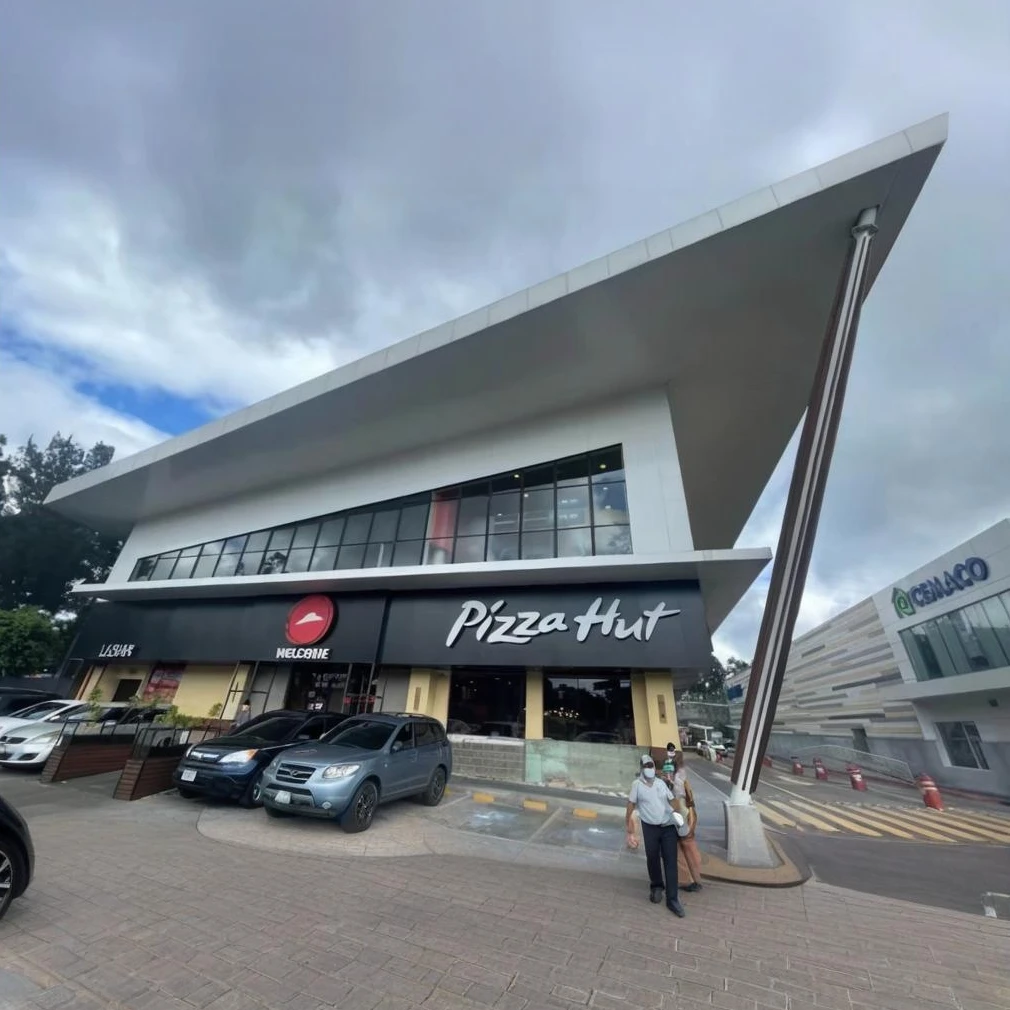
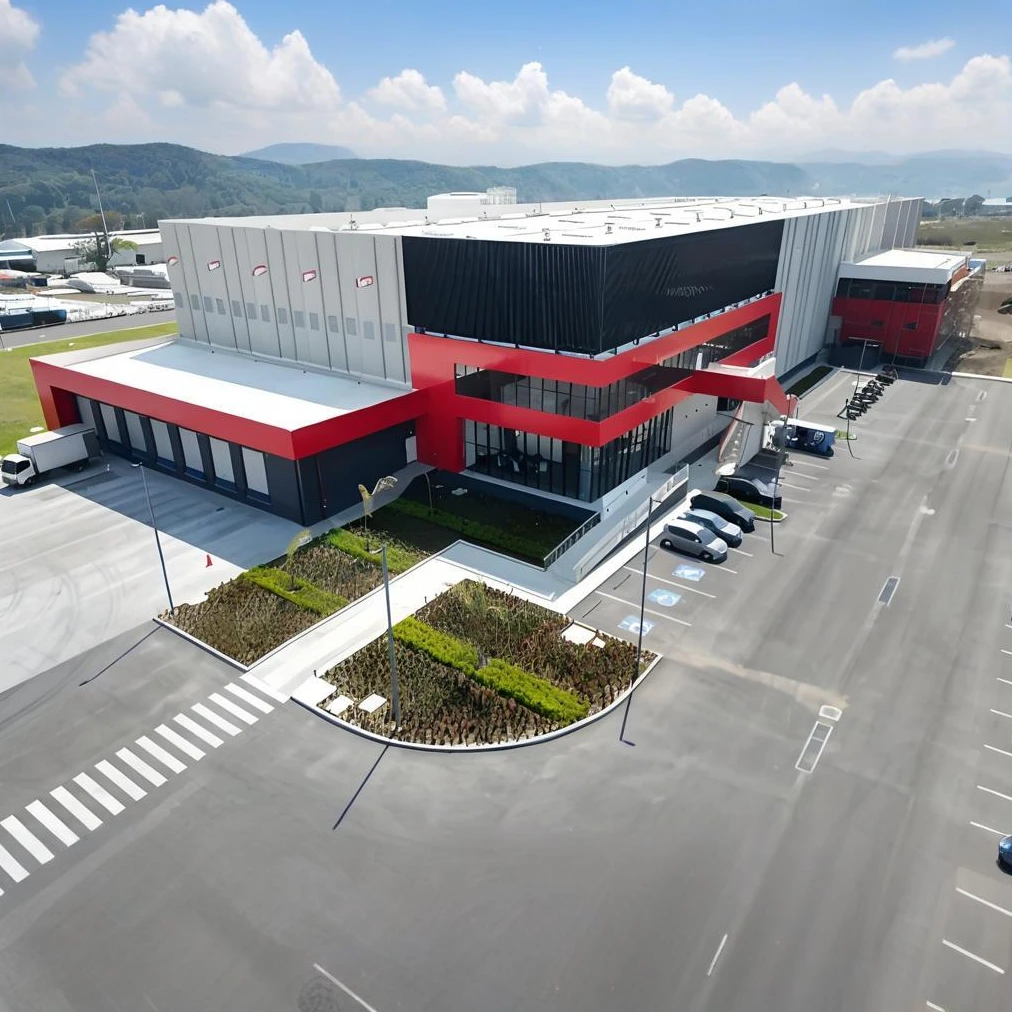
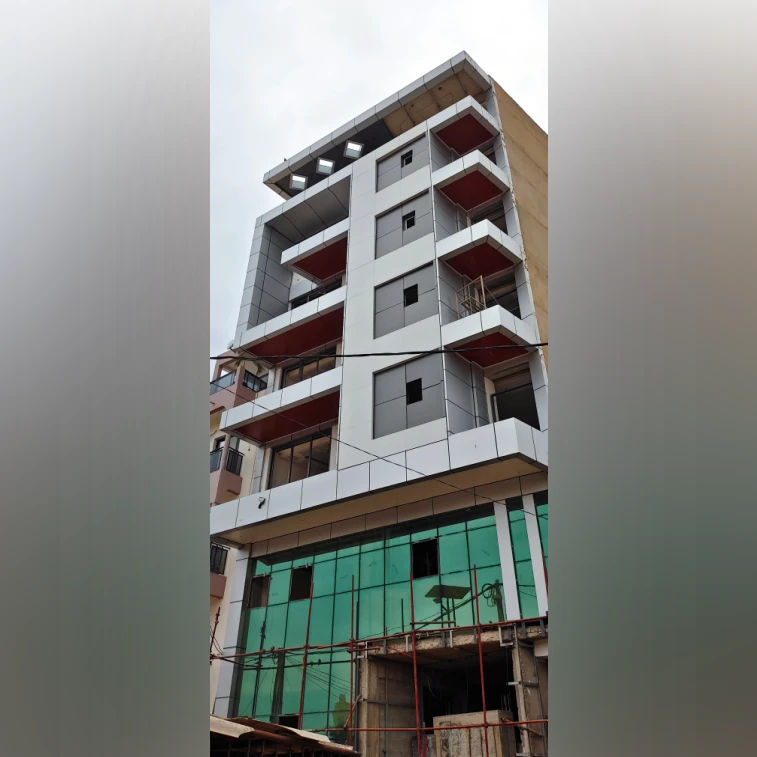
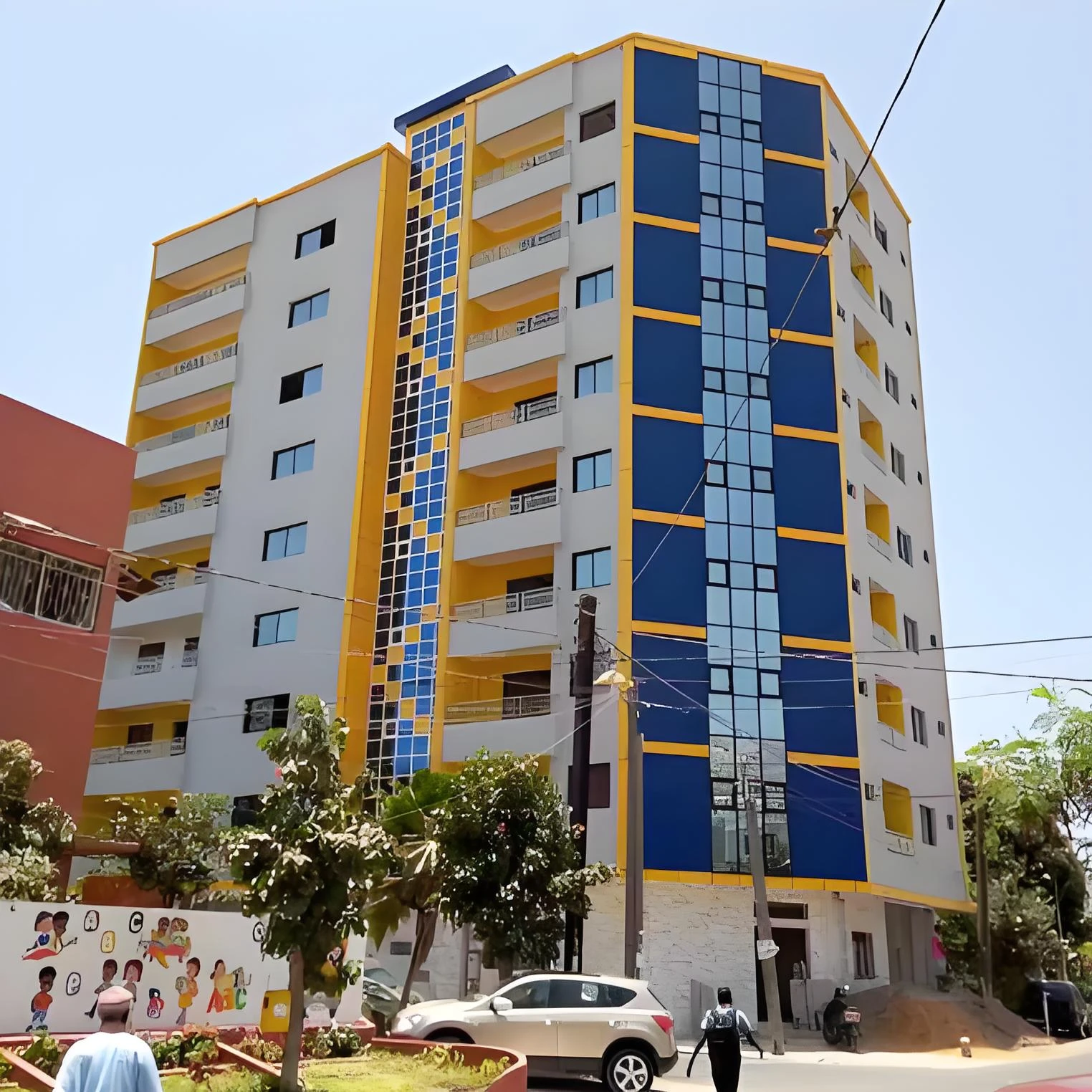
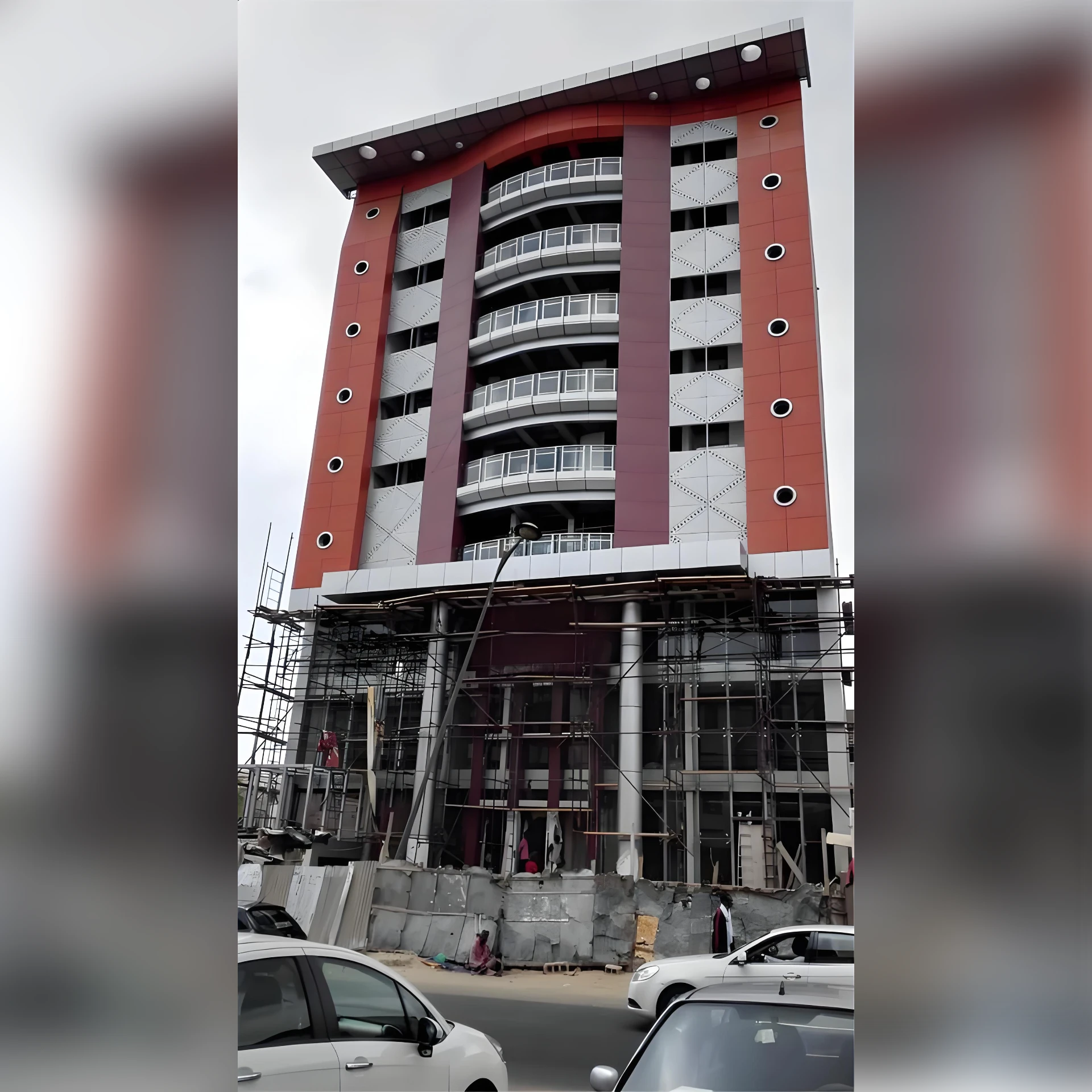
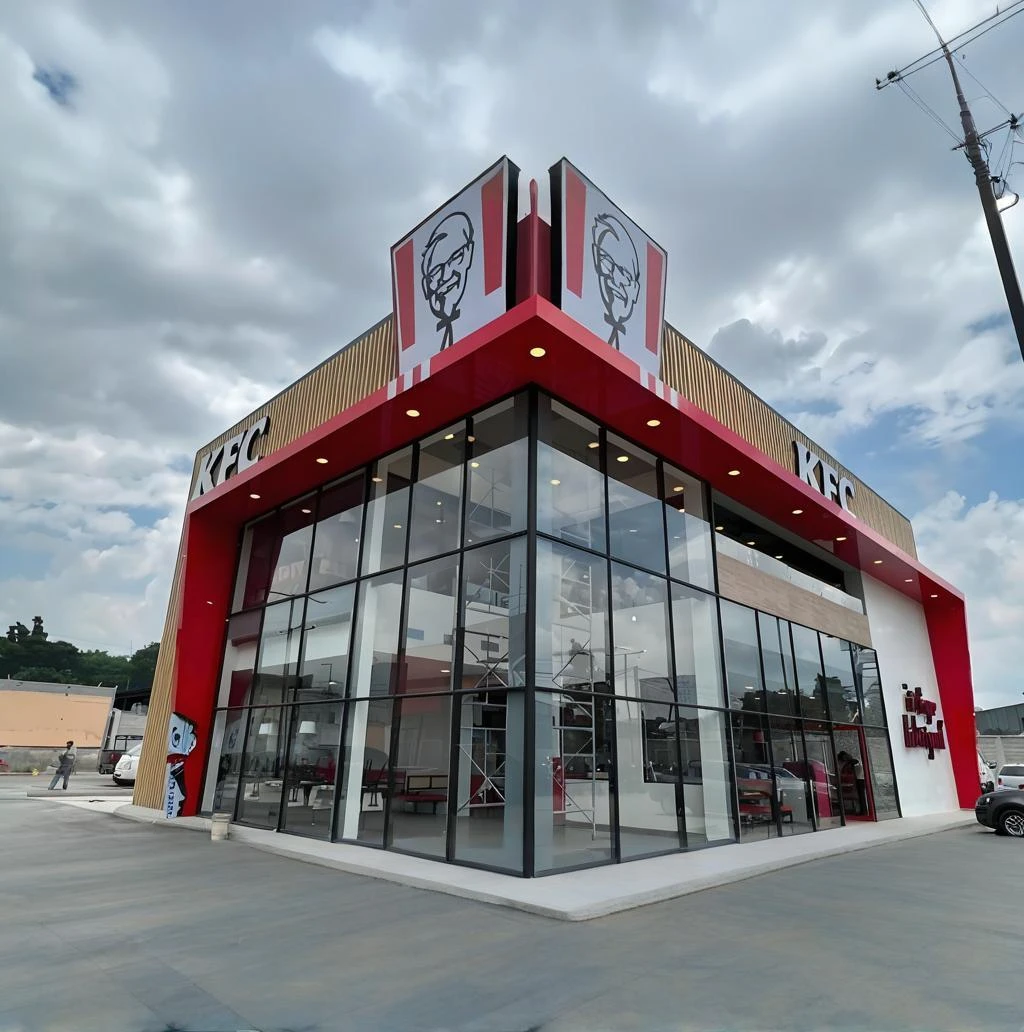
- Exterior Cladding: Providing a modern and aesthetically pleasing facade for buildings.
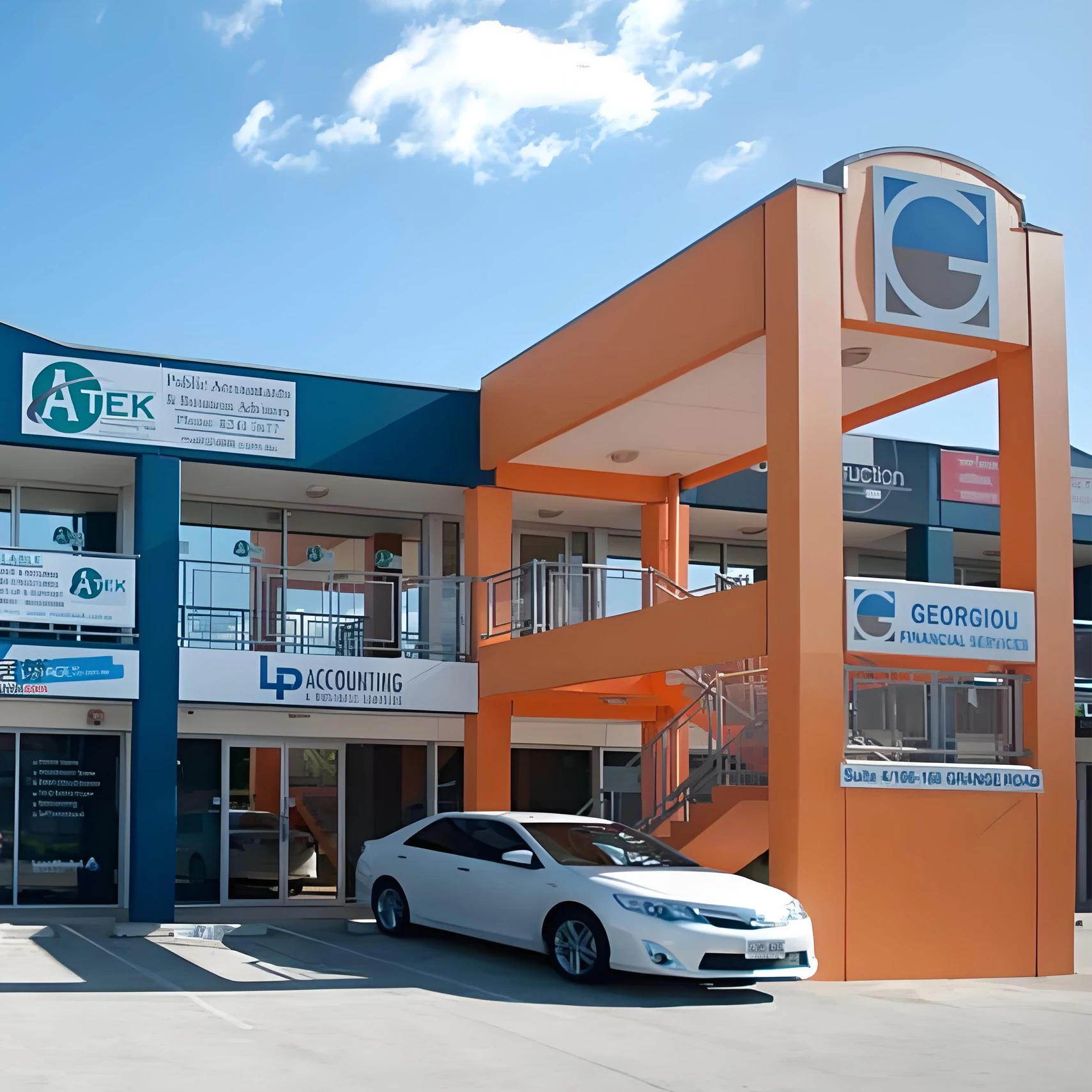
- Signage: Creating impactful and durable signage for businesses and advertising.
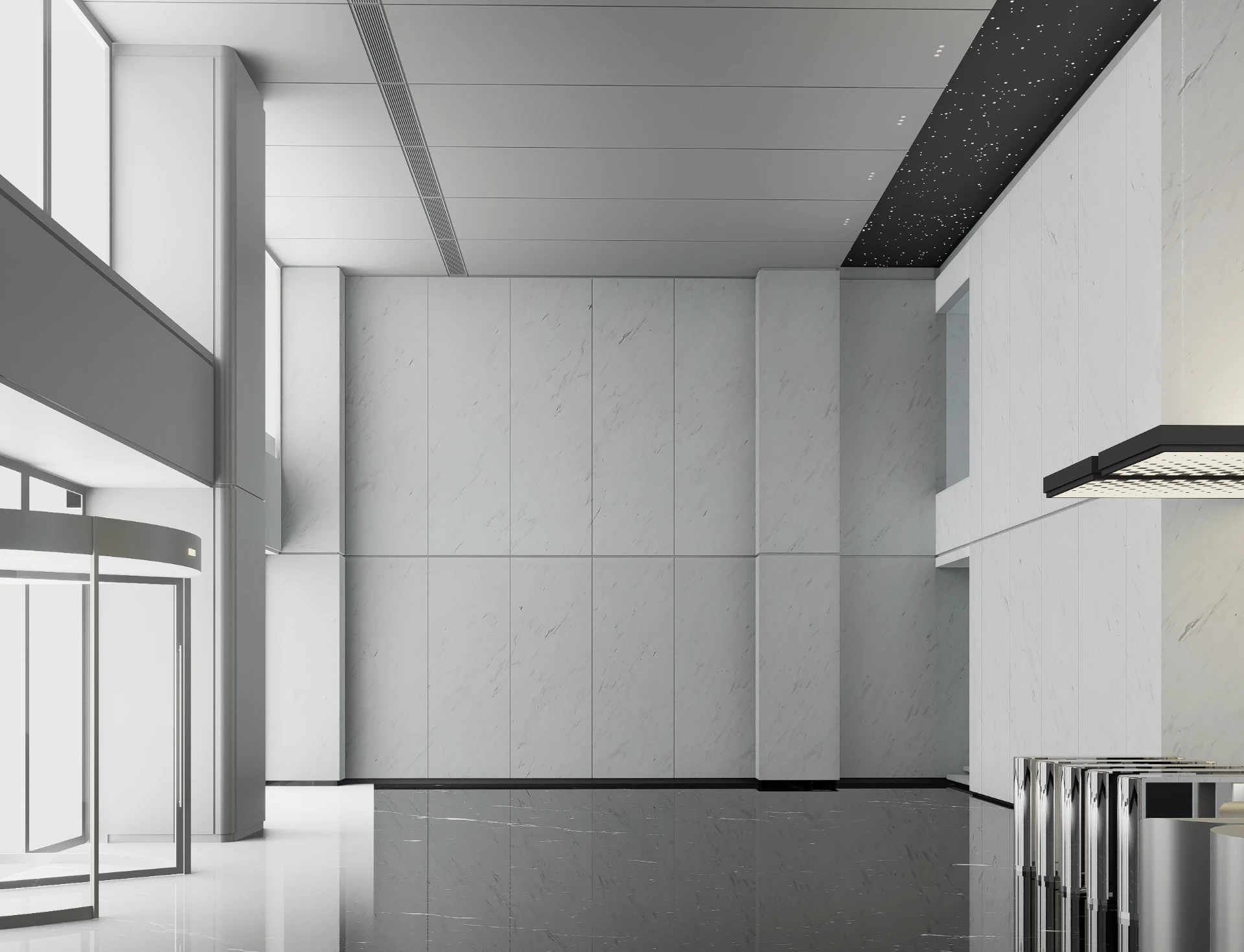
- Interior Design: Used for wall panels, ceilings, and decorative elements in commercial spaces.
- Canopies & Awnings: Offering weather protection and visual appeal.
- Modular Facades: Enabling faster and more efficient construction processes.
The choice of ACM board will depend on the specific application and the required performance characteristics.
Application Benefits:
• Lightweight for easier installation.
• Excellent weather resistance.
• Wide range of colors and finishes.
• Durable and long-lasting.
ACM Boards: PE vs. FR Core – A Comparison
The core material significantly impacts the fire performance of ACM boards. PE cores are cost-effective and suitable for general applications where strict fire resistance is not mandatory. However, FR (Fire-Retardant) cores, typically mineral-filled, are crucial for projects requiring higher fire safety standards, such as high-rise buildings or public spaces. Understanding the difference is vital for compliance with building codes.
| Feature |
PE Core |
FR Core |
| Fire Performance |
Combustible |
Fire-Retardant |
| Cost |
Lower |
Higher |
| Applications |
General signage, interior use |
High-rise buildings, public spaces |
Factors to Consider When Selecting ACM Boards
Choosing the right ACM board involves considering several factors. The intended application, local building codes, budget, and desired aesthetic are all important. The thickness of the aluminum sheets impacts durability, while the coating type affects weather resistance and color retention. ACMFactory offers a range of options to meet diverse project requirements. Consult with a materials expert to ensure you select the appropriate product for your specific needs.
ACM Boards – Product Specifications (Example)
Here's a typical example of ACM board specifications:
| Specification |
Detail |
| Overall Thickness |
3mm - 6mm |
| Aluminum Sheet Thickness |
0.3mm - 0.5mm |
| Core Material |
PE or FR |
| Coating |
PVDF, Polyester, Acrylic |
Conclusion: The Versatility of ACM Boards
ACM boards offer a compelling combination of aesthetic appeal, durability, and versatility, making them an excellent choice for a wide range of projects. By carefully considering the application, fire safety requirements, and desired finish, you can leverage the benefits of ACM boards to create stunning and long-lasting results. Choose quality materials and partner with a reputable supplier like ACMFactory to ensure project success.
Frequently Asked Questions (FAQs)
What is the typical lifespan of ACM boards?
With proper installation and maintenance, ACM boards can last for 20-30 years or even longer. The lifespan depends on the quality of the materials, the coating type, and the environmental conditions. UV exposure, pollution, and harsh weather can all impact the longevity of the boards. Regular cleaning and inspection are crucial to maintain their appearance and performance. Choosing a high-quality PVDF coating will significantly extend the lifespan, offering superior resistance to fading and weathering.
Are ACM boards environmentally friendly?
ACM boards are generally considered more environmentally friendly than some traditional building materials. Aluminum is 100% recyclable, reducing the environmental impact. However, the PE core is not biodegradable. Some manufacturers now offer ACM boards with recycled core materials or eco-friendly alternatives. It's important to check the product specifications and environmental certifications when making your selection.
What installation methods are commonly used for ACM boards?
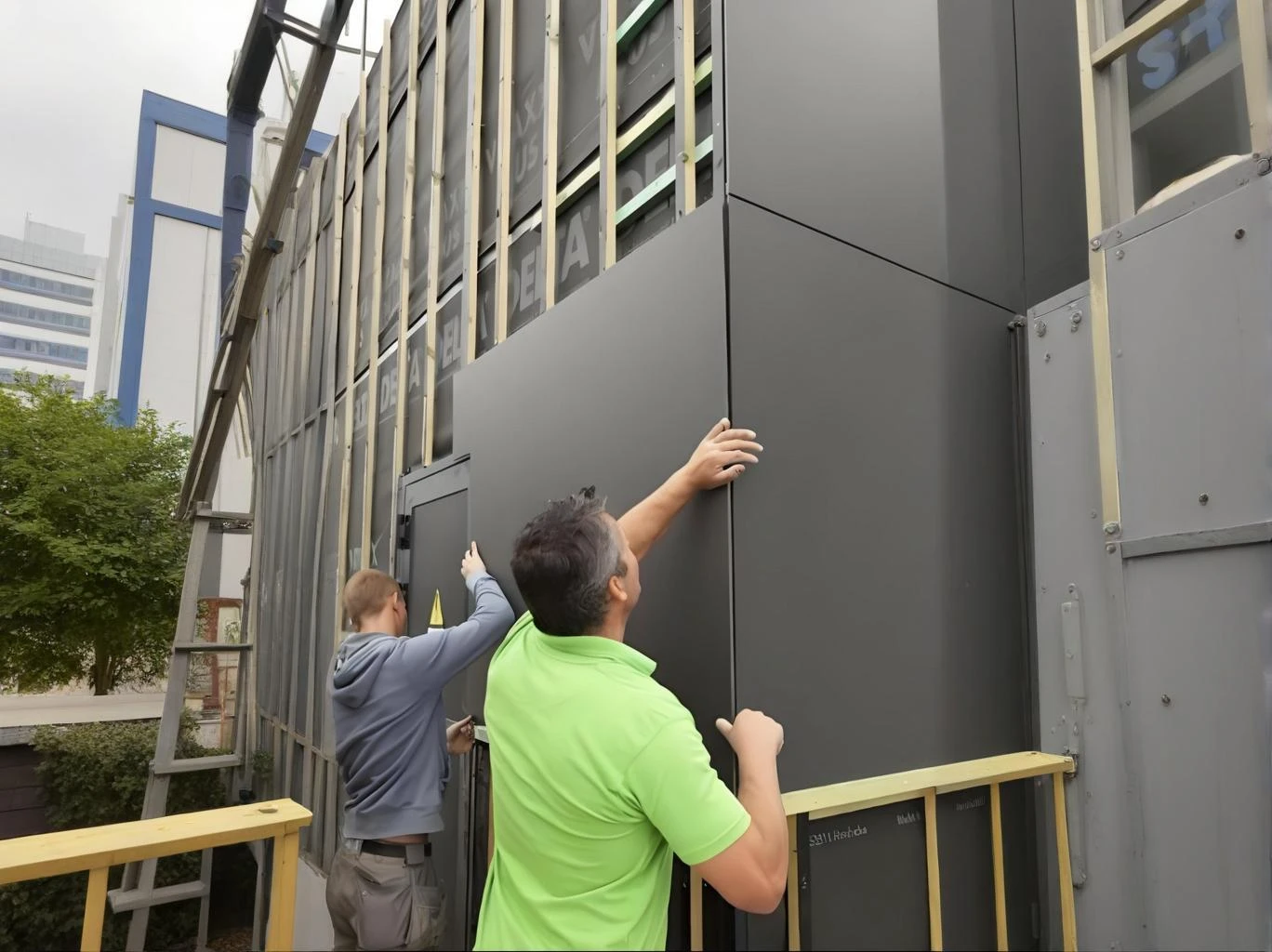
Common installation methods include wet-sealed systems, which use sealants to adhere the boards to the substrate, and dry-jointed systems, which utilize mechanical fasteners and profiles. The appropriate method depends on the building design, substrate material, and local building codes. Proper installation is essential to ensure the structural integrity and weather resistance of the ACM cladding. It’s recommended to hire experienced installers familiar with ACM board systems.