Understanding Panel Sandwich Construction for Global Trade
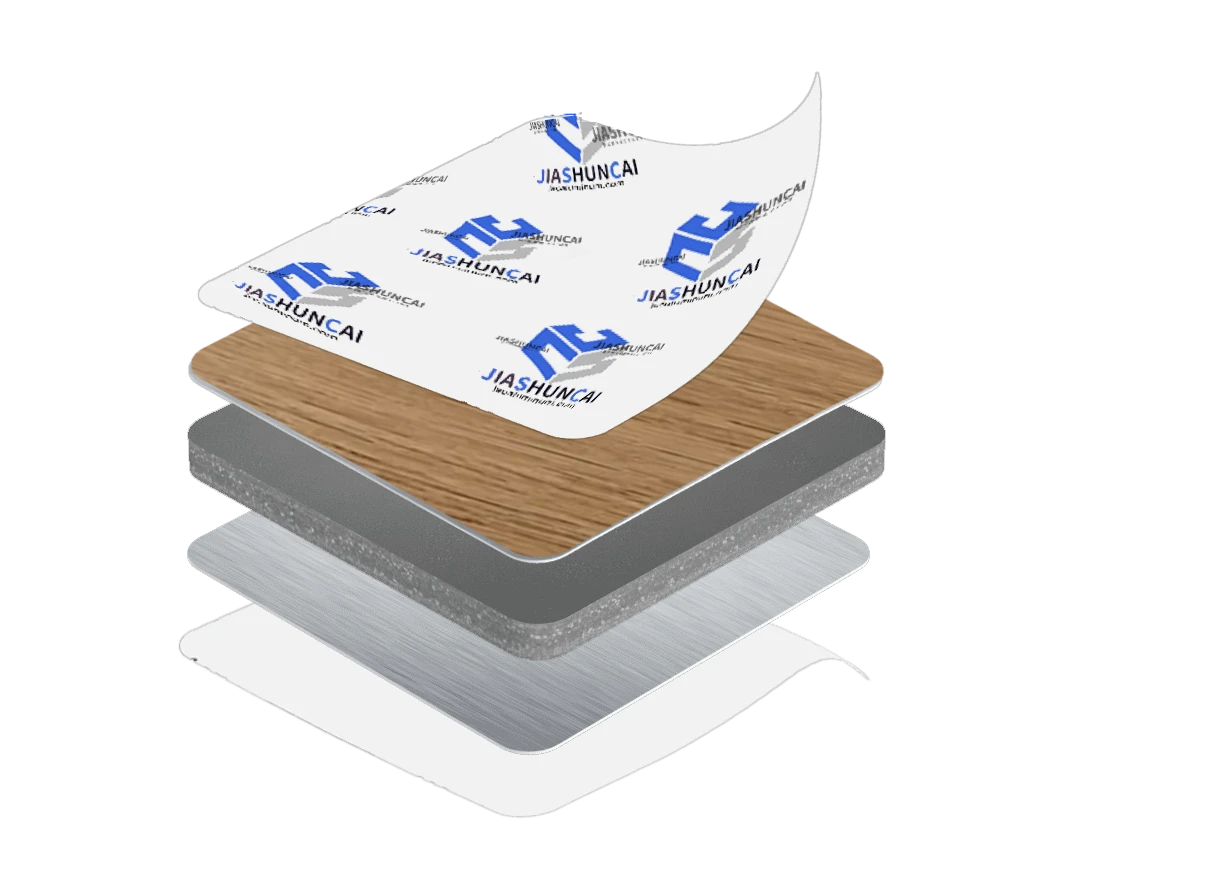
In the world of modern construction and manufacturing, panel sandwich construction has emerged as a highly efficient and versatile solution. This technique, utilizing a core material sandwiched between two outer layers, offers exceptional strength, insulation, and lightweight properties. This article provides a comprehensive overview of panel sandwich construction, focusing on its benefits, applications, materials, and considerations for international trade. We will explore why ACM Factory is a leading provider in this specialized field.
The Core Benefits of Panel Sandwich Construction
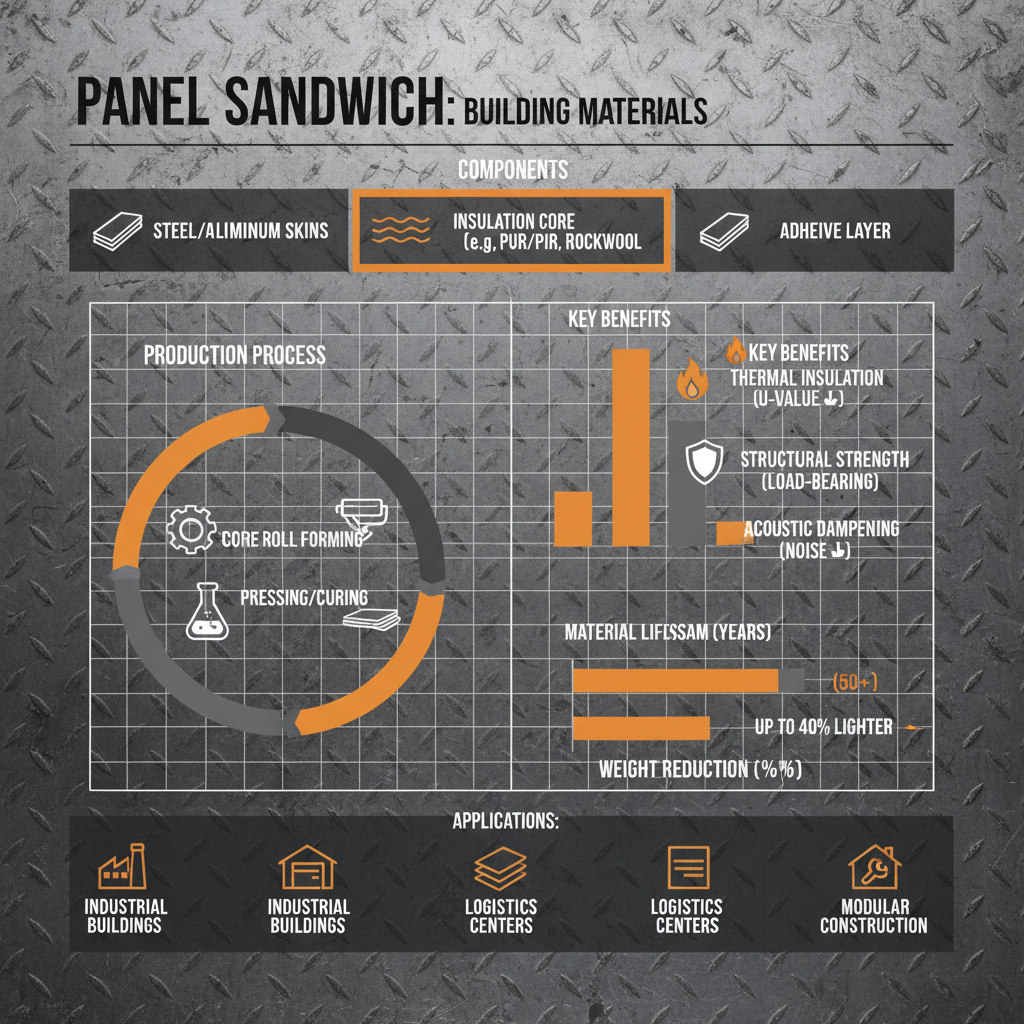
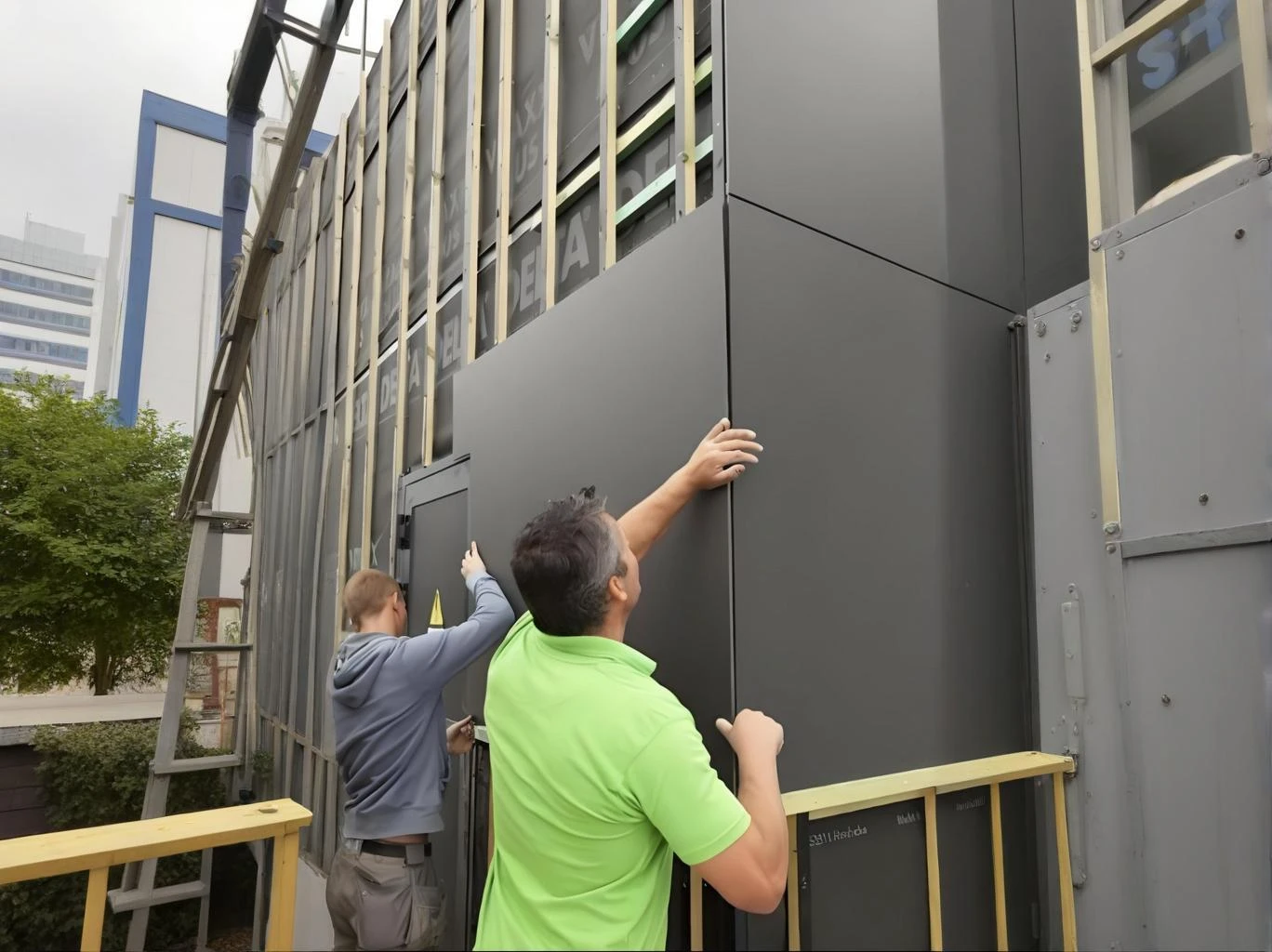
Panel sandwich construction offers a multitude of advantages over traditional building methods. Its lightweight nature reduces transportation costs and simplifies installation. The core material provides excellent thermal and acoustic insulation, leading to energy savings and improved comfort. The inherent strength-to-weight ratio allows for larger spans and more flexible designs. Furthermore, the process is relatively fast and efficient, reducing project timelines and labor costs. From prefabricated buildings to cladding systems, the applications are incredibly diverse. Choosing the right materials and manufacturer, like ACM Factory, is crucial for optimal performance.
Key Highlights: Reduced transportation costs, excellent insulation properties, faster project timelines, and design flexibility.
Common Core Materials and Their Applications
The core material is the heart of the panel sandwich system, dictating its performance characteristics. Common options include Expanded Polystyrene (EPS), Extruded Polystyrene (XPS), Polyurethane (PU), Mineral Wool, and Honeycomb core. EPS is a cost-effective option for general-purpose insulation. XPS offers higher density and moisture resistance, suitable for demanding environments. PU provides superior insulation and structural strength. Mineral wool excels in fire resistance. Honeycomb cores deliver exceptional strength-to-weight ratio, ideal for aerospace and transportation applications. The selection depends on the specific requirements of the project and the desired level of performance.
Core Material Comparison:
• EPS: Cost-effective, general insulation.
• XPS: High density, moisture resistance.
• PU: Superior insulation, structural strength.
• Mineral Wool: Excellent fire resistance.
• Honeycomb: Exceptional strength-to-weight ratio.
Panel Sandwich Materials: A Comparative Overview
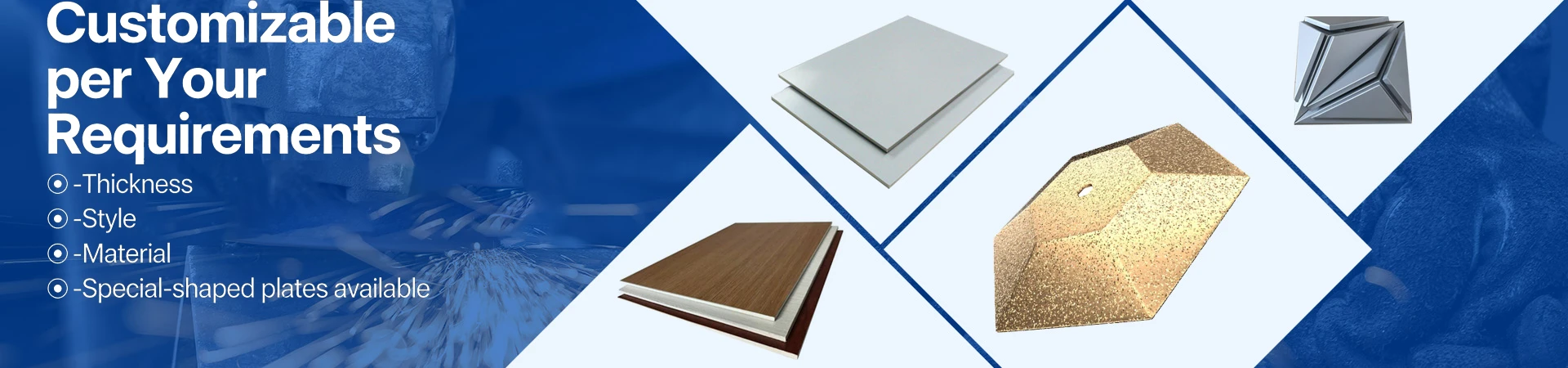
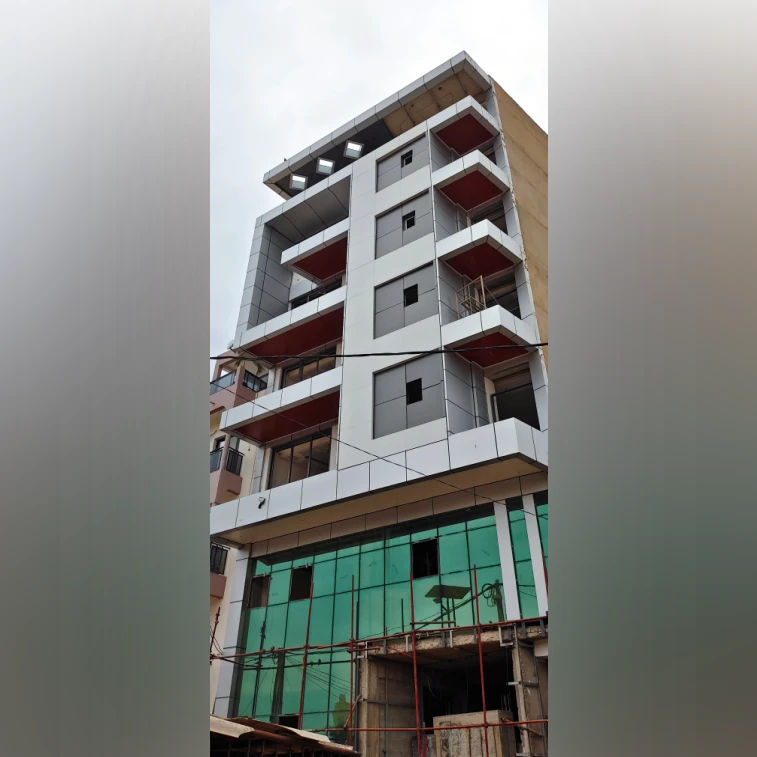
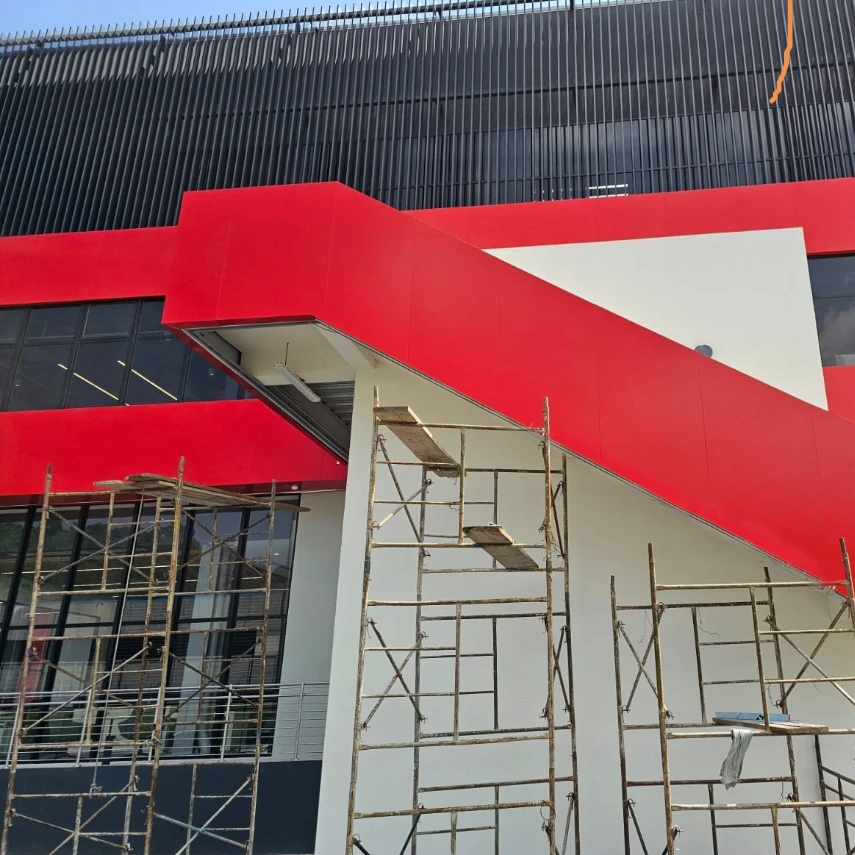
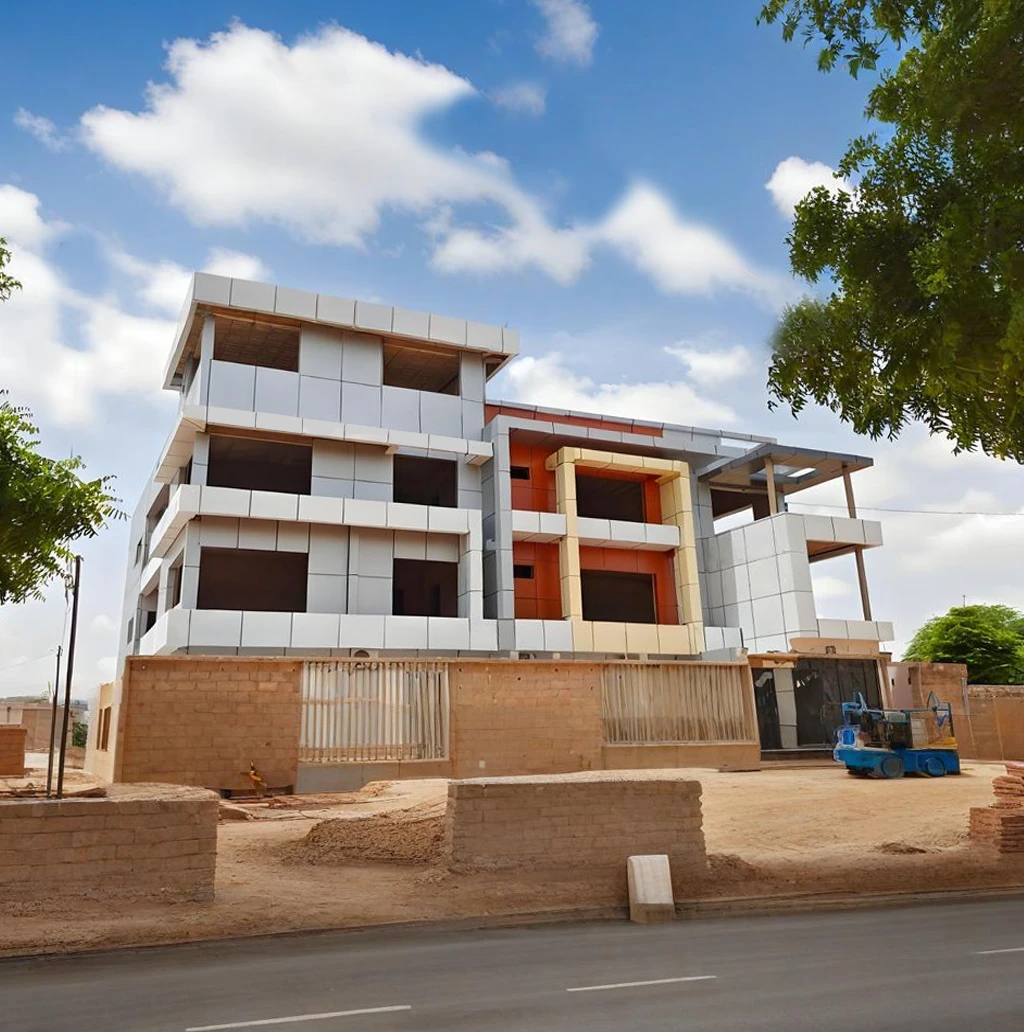
The outer layers of a panel sandwich, often referred to as facings, provide a protective barrier and contribute to the overall aesthetic. Common facing materials include Aluminum Composite Material (ACM), Fiber Reinforced Polymer (FRP), Steel, and Wood. ACM, like the products offered by ACM Factory, is renowned for its durability, weather resistance, and color versatility. FRP provides high strength and corrosion resistance. Steel offers robust structural performance. Wood offers a natural aesthetic and sustainable appeal. Each material presents unique advantages and disadvantages, influencing cost, weight, and long-term performance.
| Facing Material |
Strength |
Weight |
Cost |
| ACM |
High |
Lightweight |
Moderate |
| FRP |
Very High |
Lightweight |
High |
| Steel |
Extremely High |
Heavy |
Moderate |
| Wood |
Moderate |
Light to Moderate |
Low to Moderate |
International Trade Considerations for Panel Sandwich Products
Exporting and importing panel sandwich products require careful attention to several factors. Transportation logistics, including containerization and shipping routes, are crucial. Compliance with international building codes and safety standards is essential. Duties, tariffs, and import regulations vary significantly by country. Proper packaging and protection against moisture and damage during transit are vital. Working with experienced logistics providers and understanding the specific requirements of each destination market are key to successful international trade. ACM Factory provides expert support for international clients, managing logistics and ensuring compliance.
Product Specifications & Quality Control
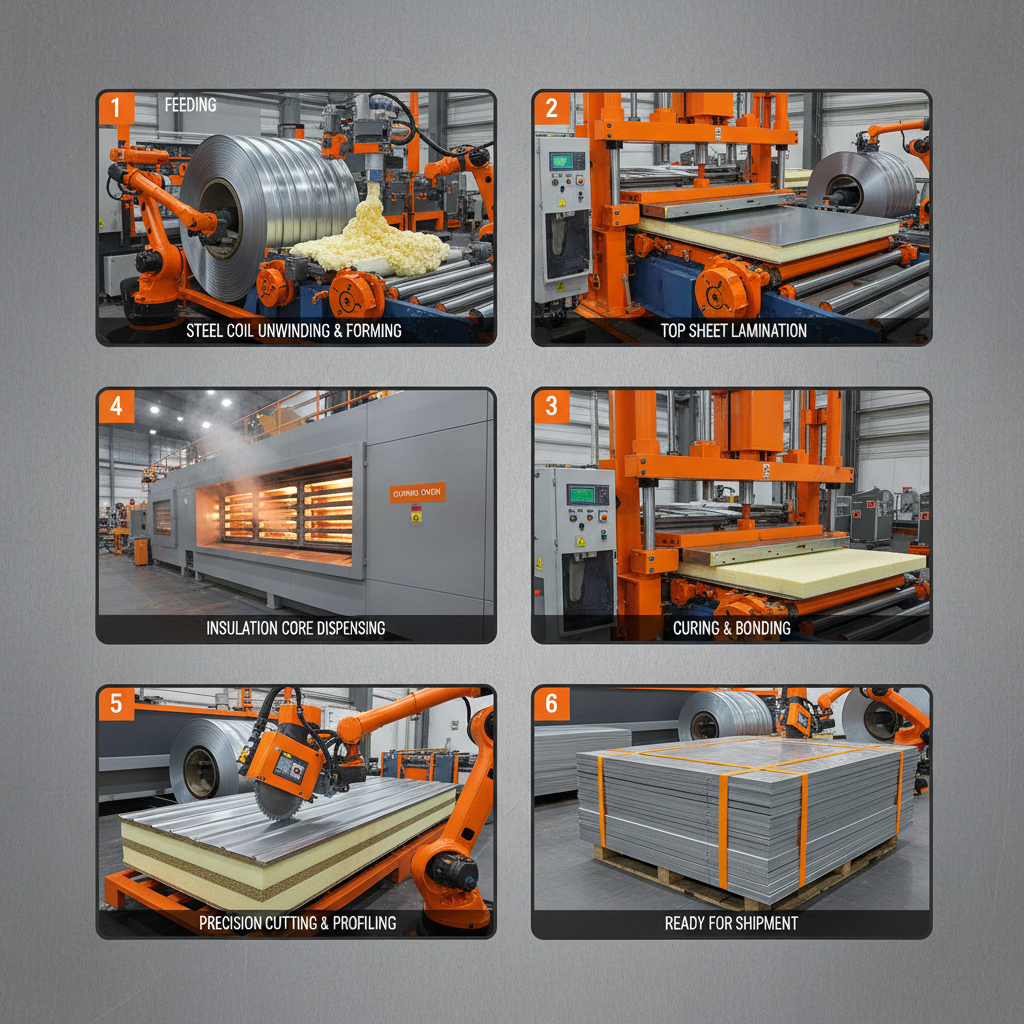
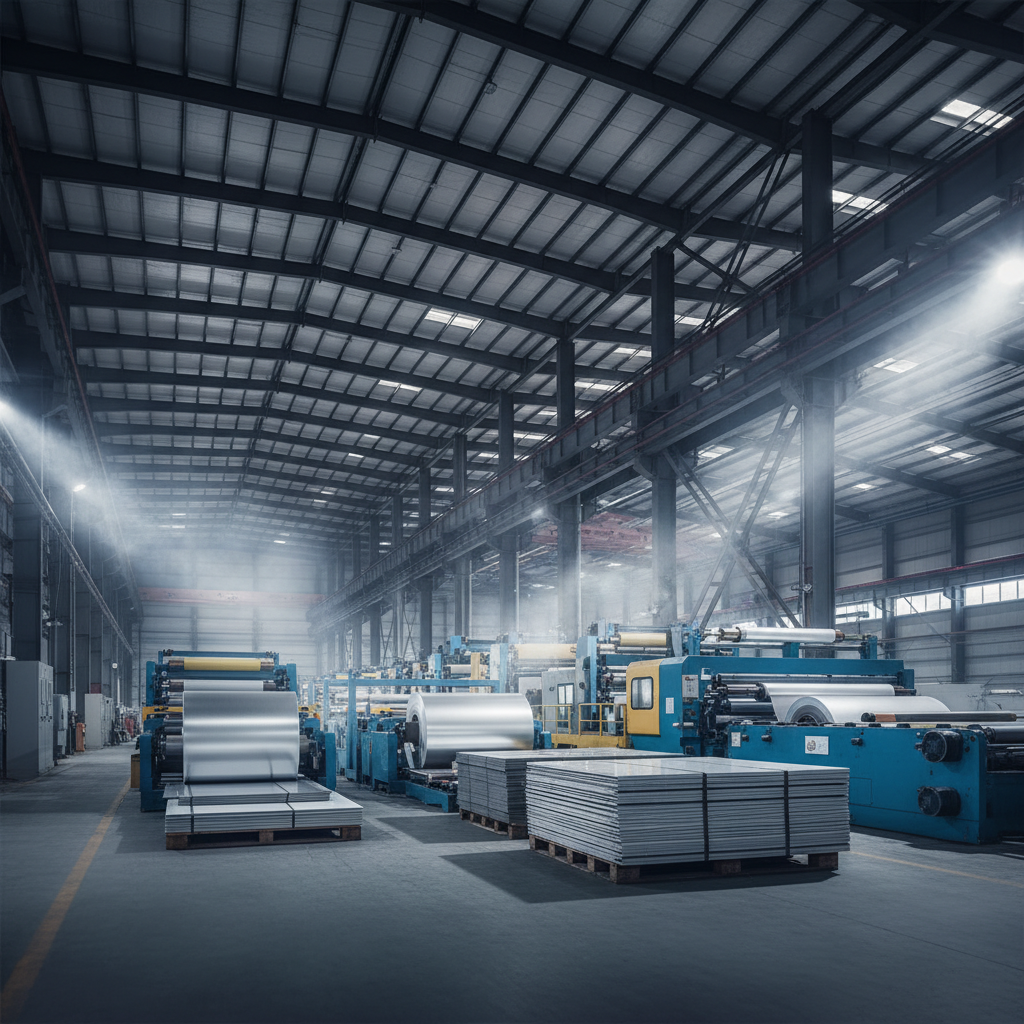
Ensuring consistent quality is paramount in panel sandwich production. ACM Factory implements rigorous quality control measures throughout the manufacturing process. Key specifications include panel thickness, core density, facing material grade, and fire resistance rating. We adhere to international standards like ASTM and EN, providing detailed product data sheets for each shipment. Our commitment to quality ensures that our products meet or exceed customer expectations, providing long-lasting performance and reliability.
| Specification |
Detail |
| Panel Thickness |
5mm - 200mm |
| Core Density (EPS) |
15kg/m³ - 30kg/m³ |
| Facing Material |
Aluminum, Steel, FRP |
| Fire Resistance |
Up to 2 Hours |
Conclusion: Embrace the Future with Panel Sandwich Technology
Panel sandwich construction represents a significant advancement in building and manufacturing technology. Its versatility, efficiency, and sustainability make it a compelling choice for a wide range of applications. By partnering with a reliable manufacturer like ACM Factory, you can access high-quality products and expert support for your projects. Invest in the future of construction – choose panel sandwich technology.
Frequently Asked Questions (FAQs)
What are the common applications of panel sandwich construction?
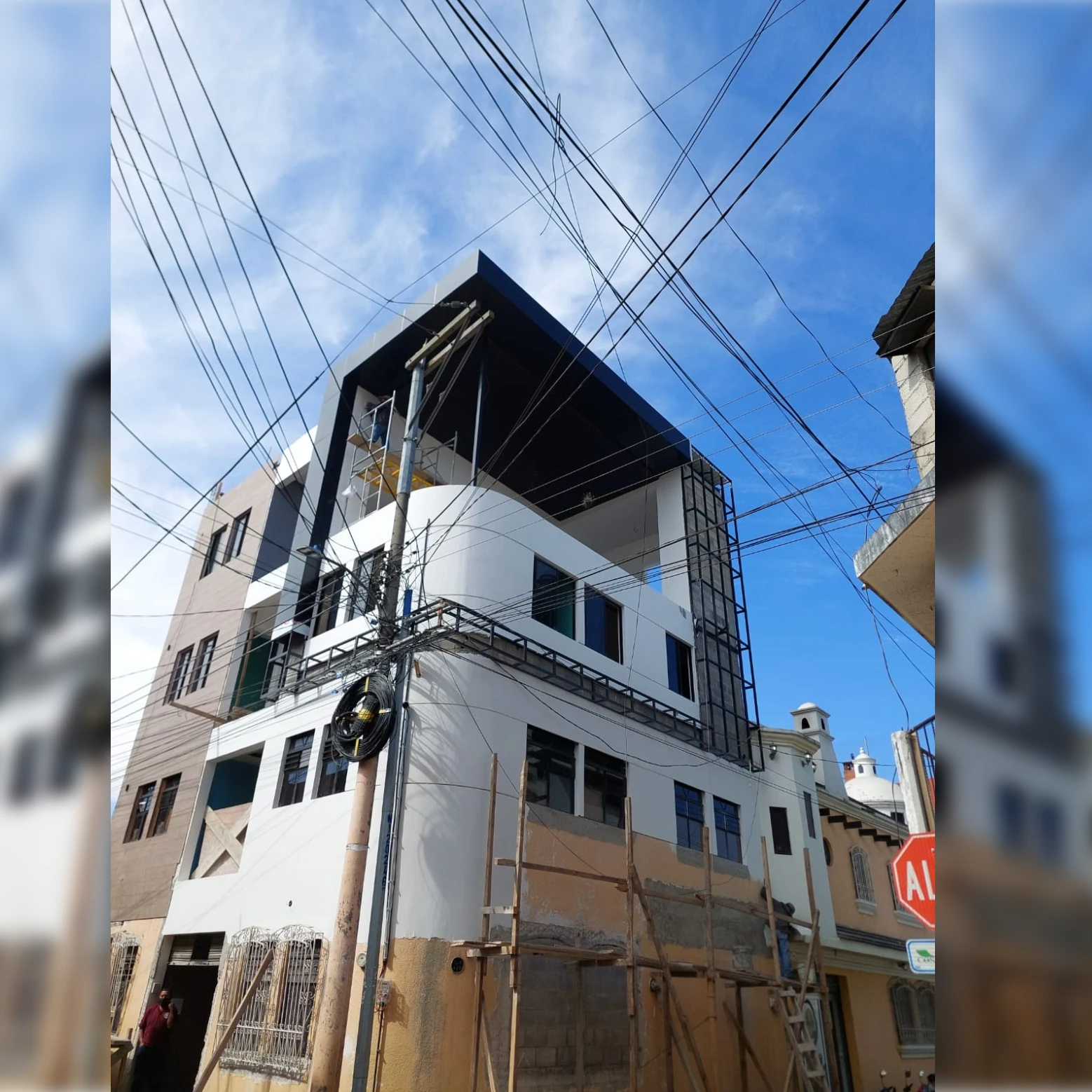
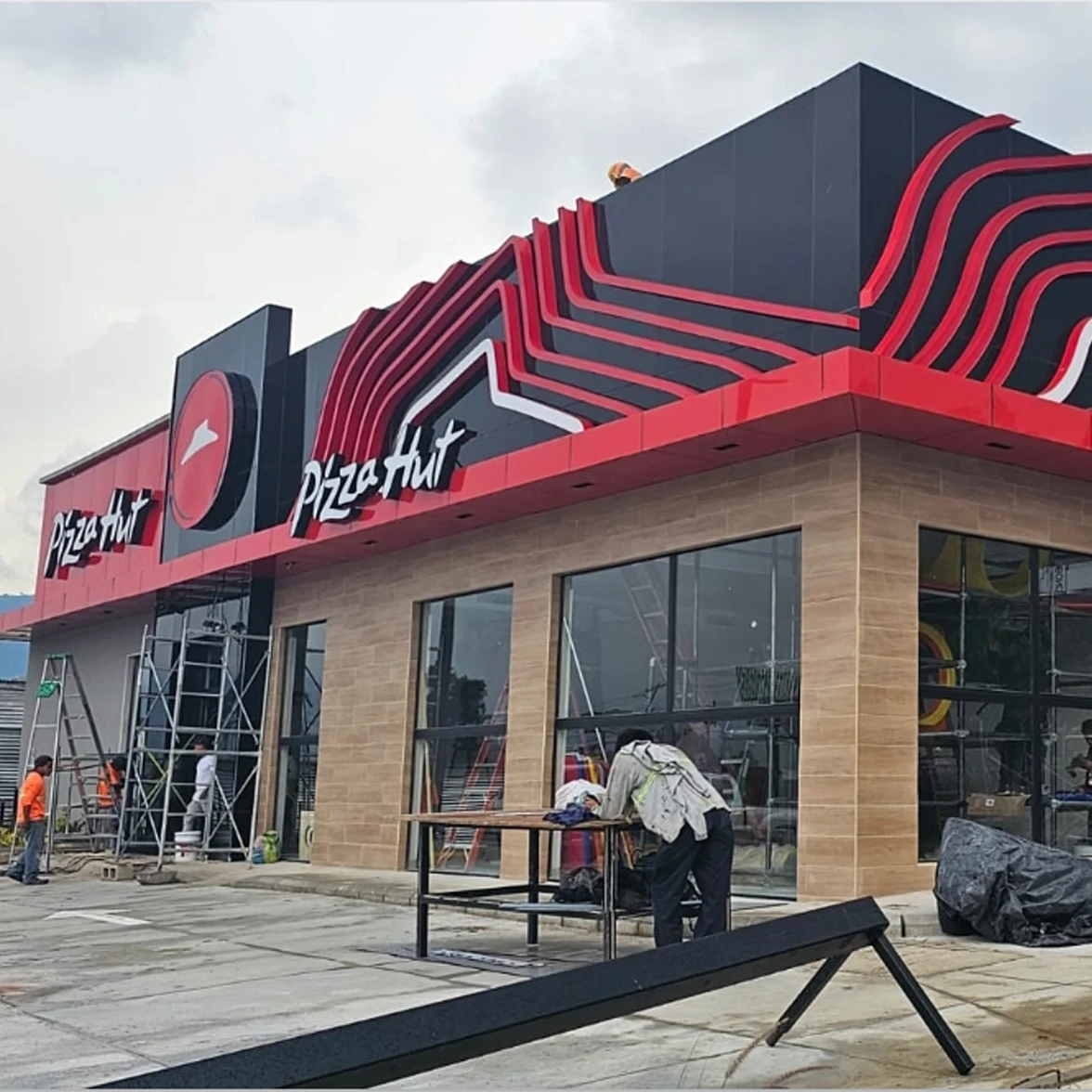
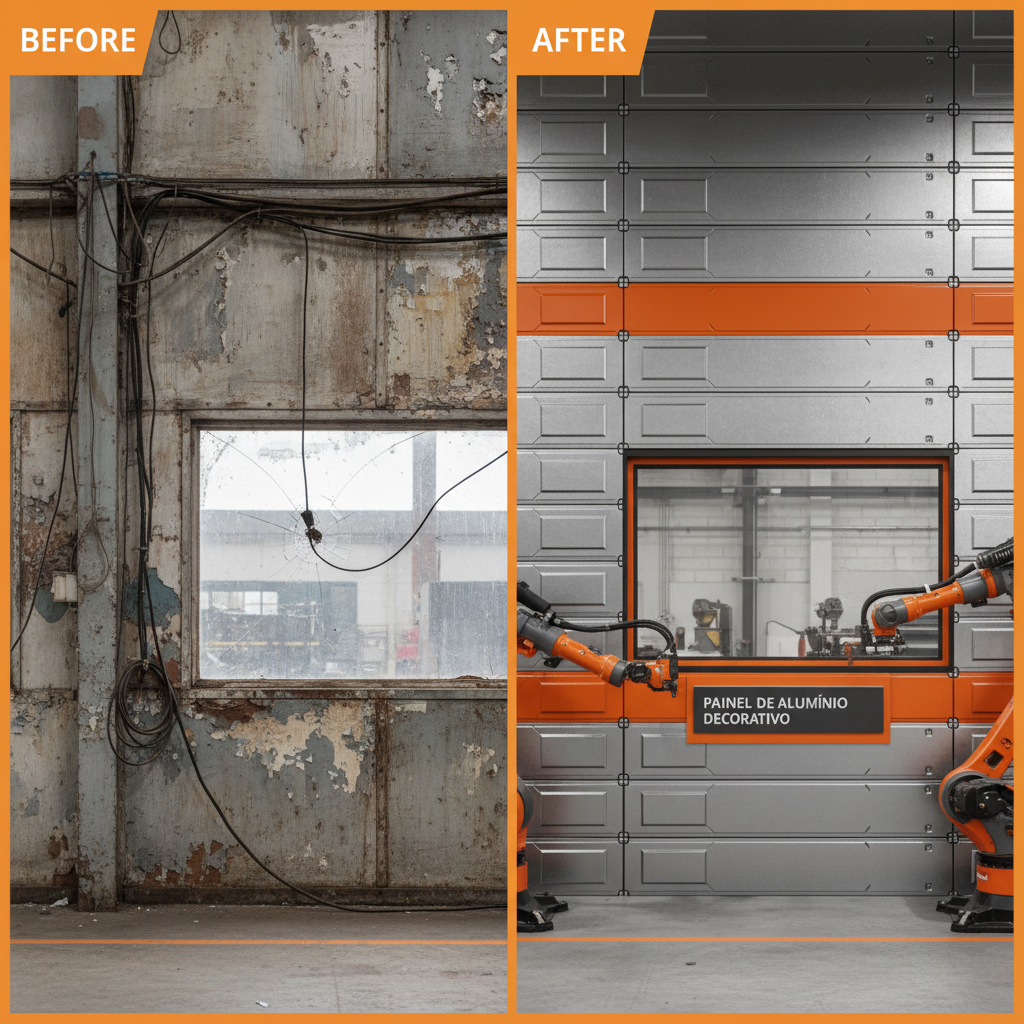
Panel sandwich construction is incredibly versatile. Common applications include exterior wall cladding, roofing systems, interior partitions, prefabricated buildings, cold storage facilities, cleanrooms, and transportation containers. Its lightweight nature and excellent insulation properties make it ideal for a wide array of industries, including construction, manufacturing, food processing, and healthcare. The ability to customize the materials and dimensions allows for tailored solutions to meet specific project requirements.
How does panel sandwich construction contribute to sustainability?
Panel sandwich construction promotes sustainability through several avenues. The excellent thermal insulation reduces energy consumption for heating and cooling. The lightweight nature minimizes transportation costs and associated carbon emissions. Many core materials, such as EPS, can be recycled. Furthermore, the efficient construction process reduces waste and construction time. Choosing sustainable facing materials, like recycled aluminum, can further enhance the environmental benefits.
What are the fire safety considerations for panel sandwich systems?
Fire safety is a critical consideration. The fire performance of a panel sandwich system depends on the materials used. Mineral wool cores offer superior fire resistance compared to EPS or XPS. The facing materials also play a role, with non-combustible materials like steel providing the best protection. It’s crucial to select a system that meets the relevant fire safety regulations for the specific application and building code. Fire-retardant coatings can also be applied to enhance fire resistance.
What are the advantages of working with ACM Factory for panel sandwich products?
ACM Factory offers a comprehensive range of panel sandwich solutions, tailored to meet diverse client needs. We specialize in high-quality ACM panels, providing exceptional durability, aesthetic appeal, and customization options. We offer expert engineering support, efficient logistics, and a commitment to customer satisfaction. Our rigorous quality control processes ensure that our products consistently meet or exceed industry standards. We also provide full support for international trade, including documentation and compliance assistance.