Mar. 04, 2026
Exploring the Versatility and Benefits of Modern Clad Panels
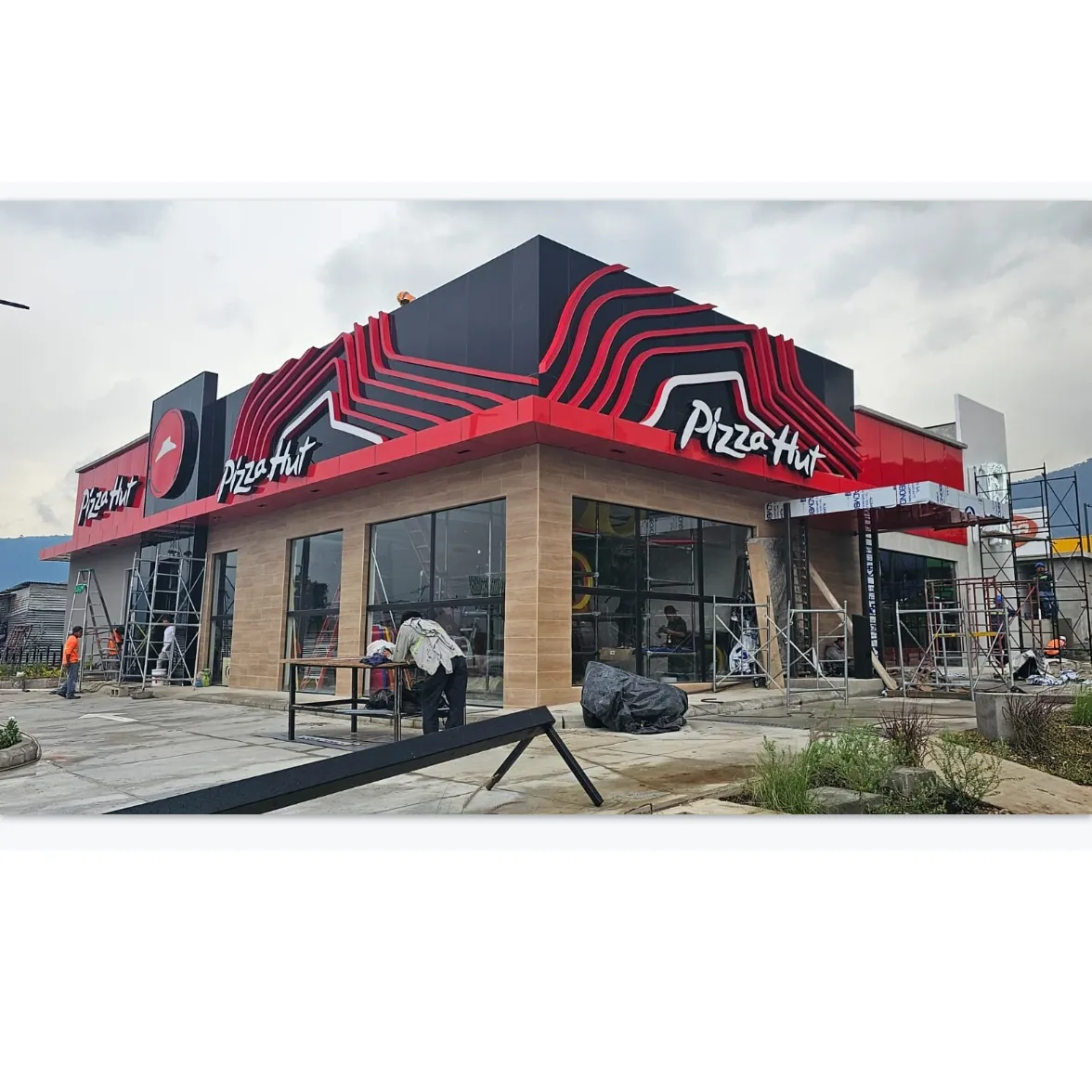
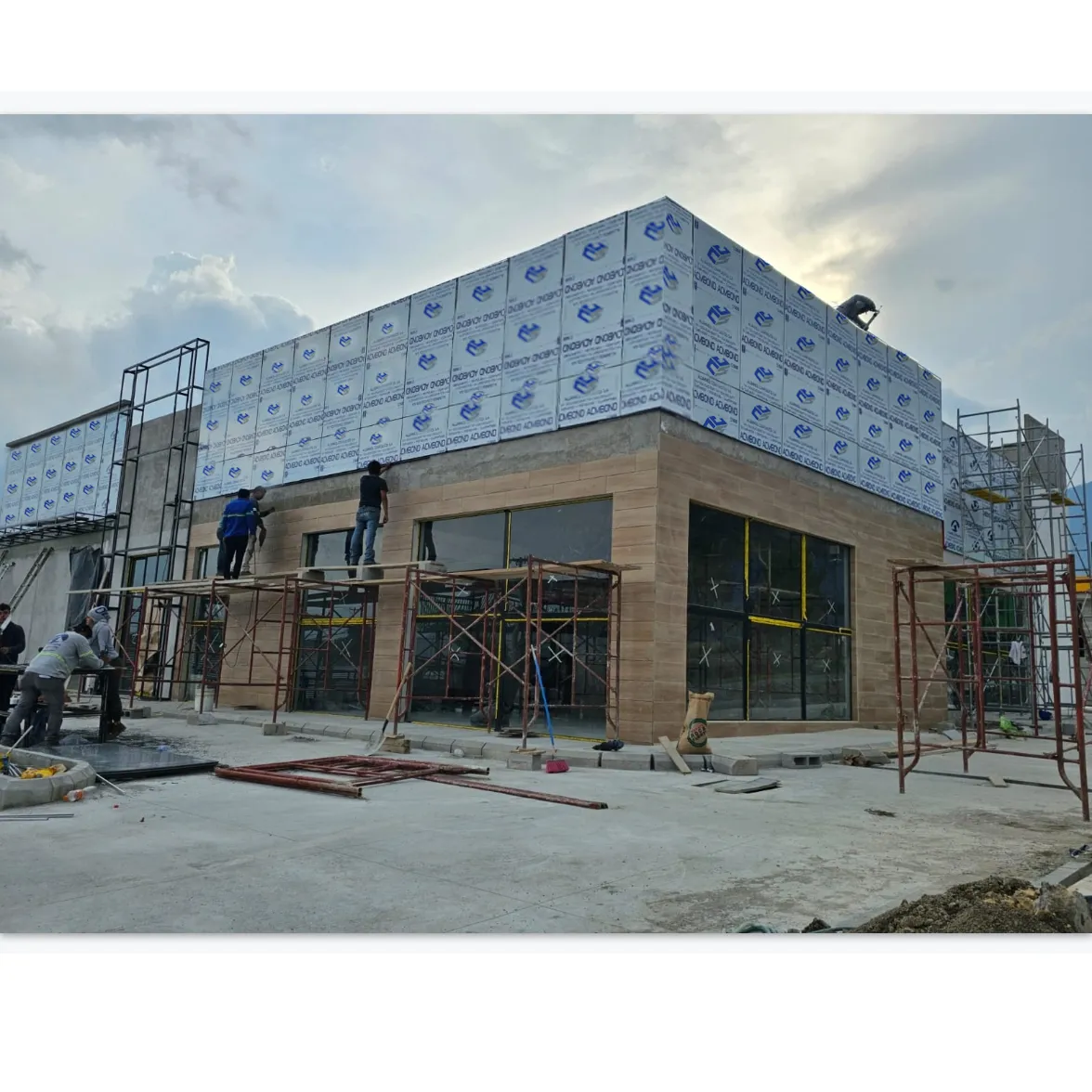
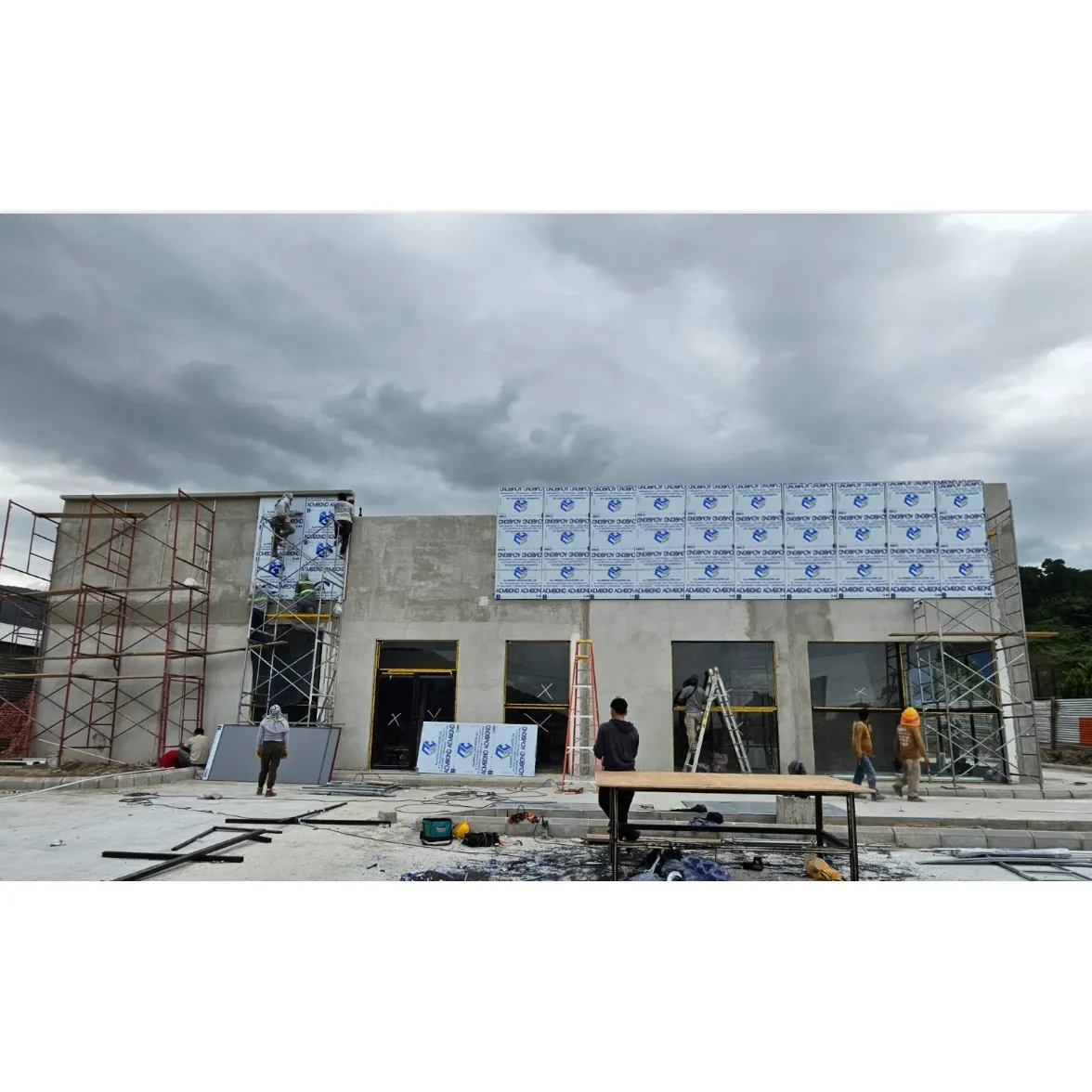
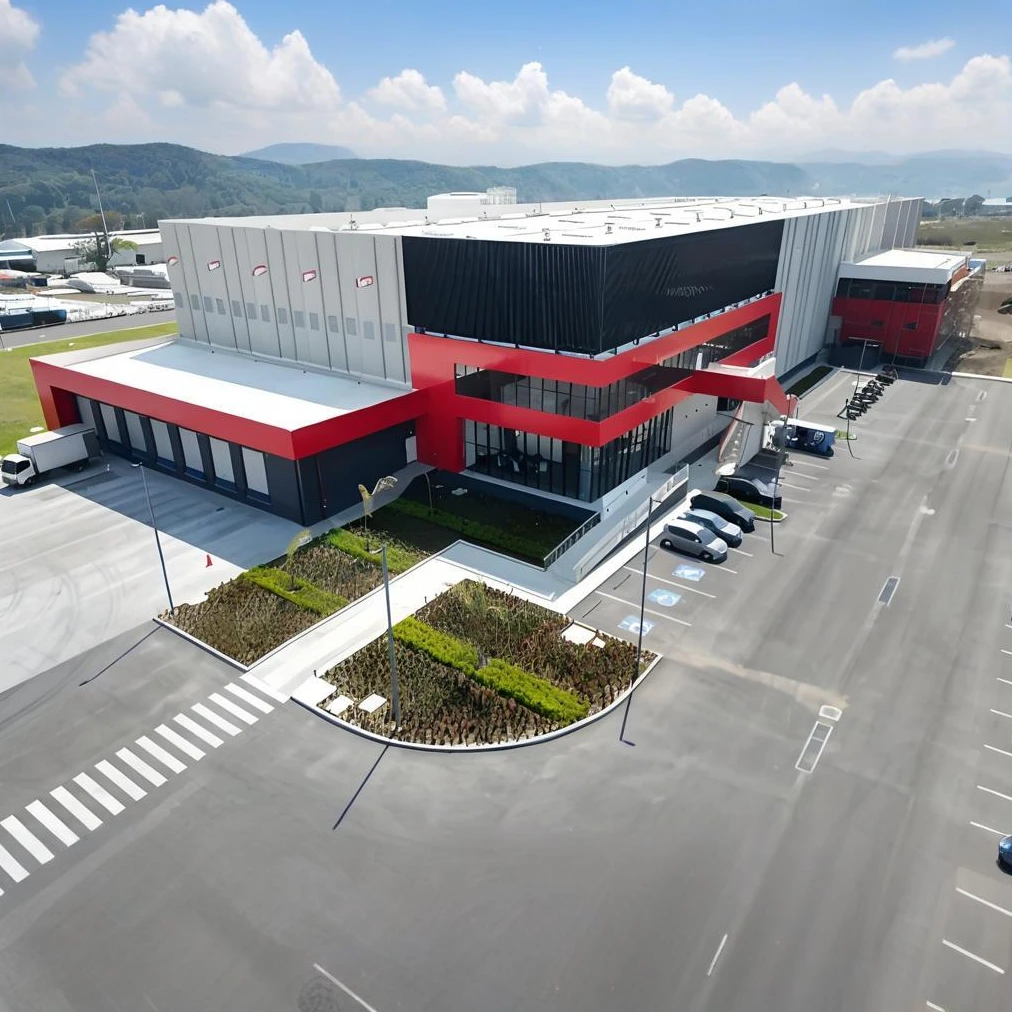
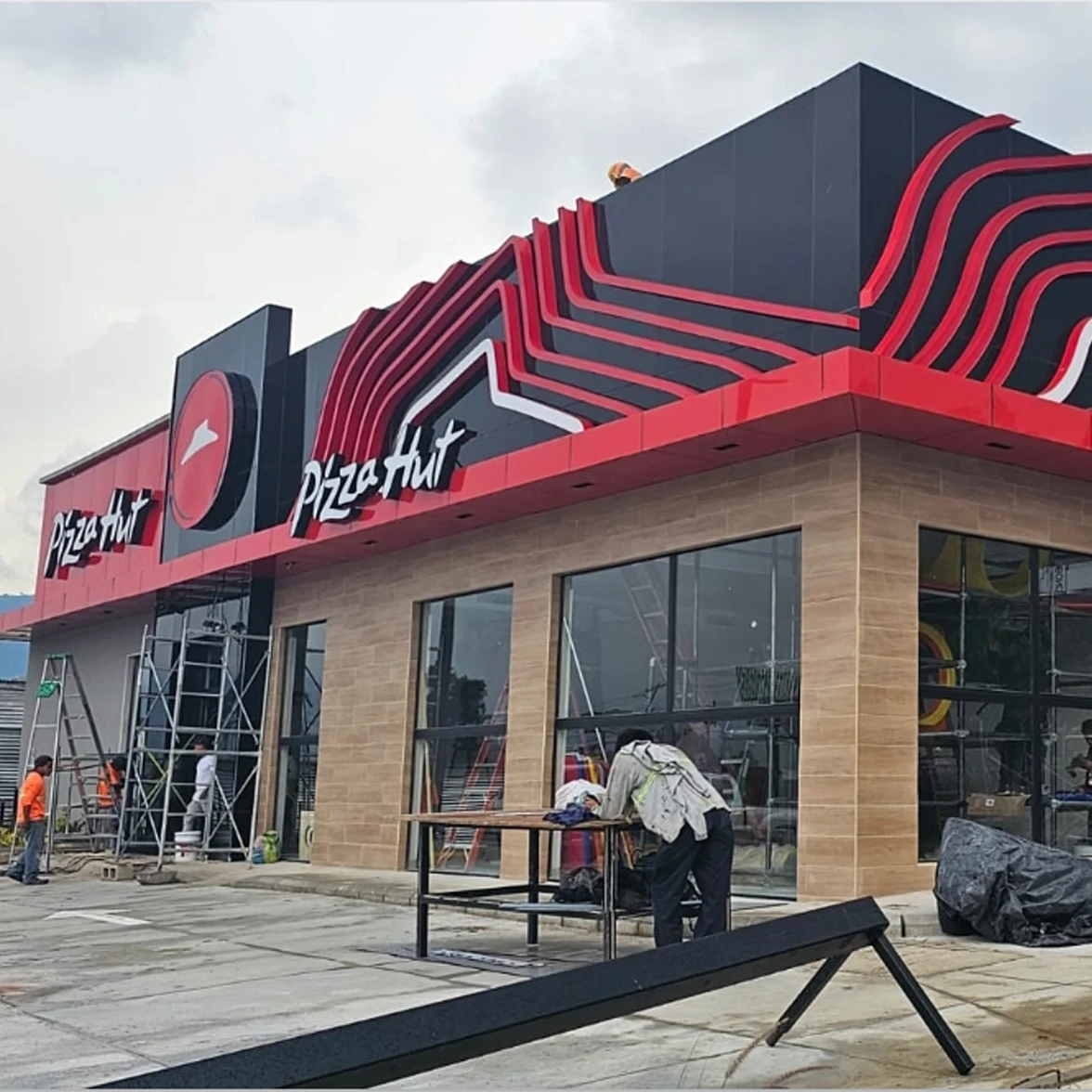
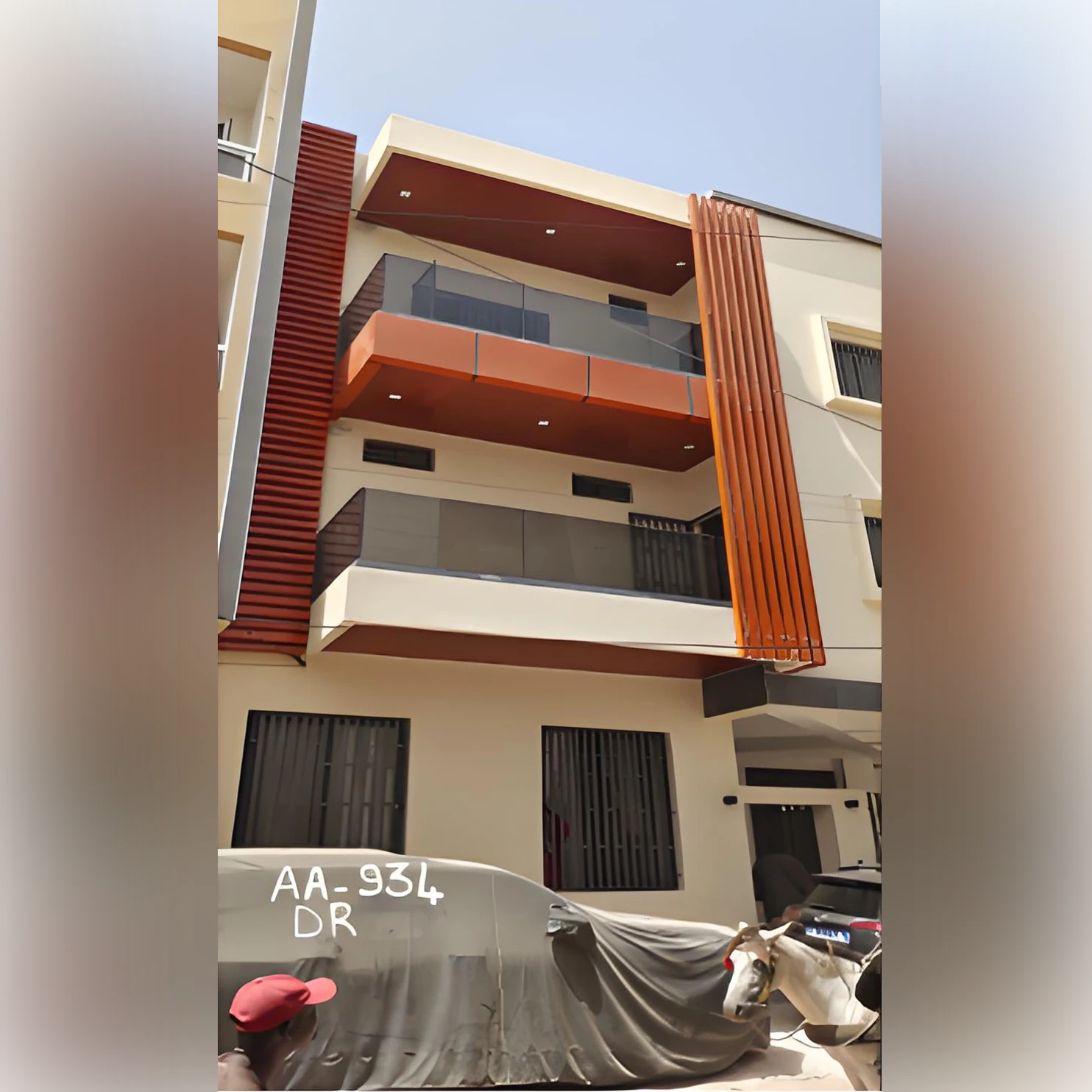
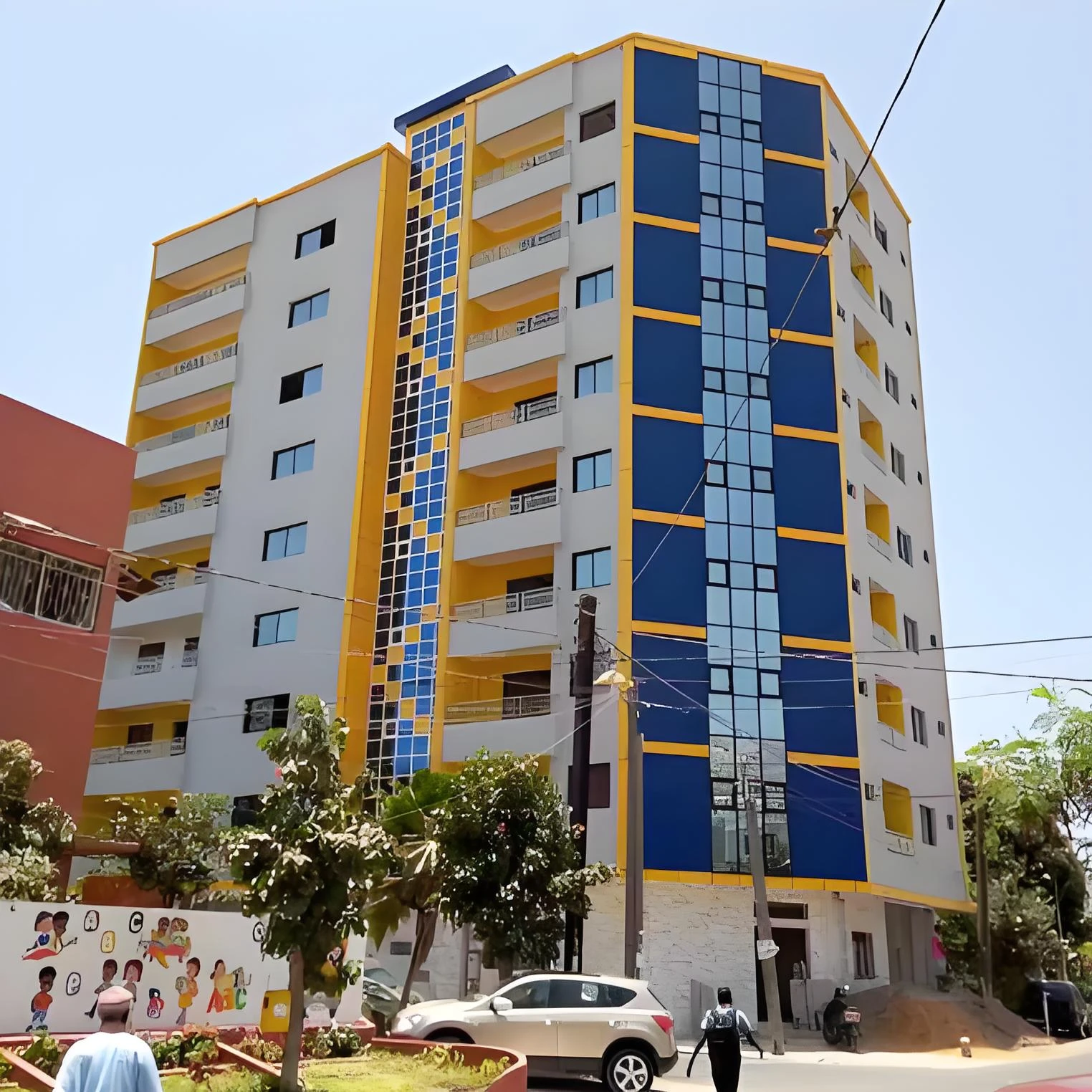
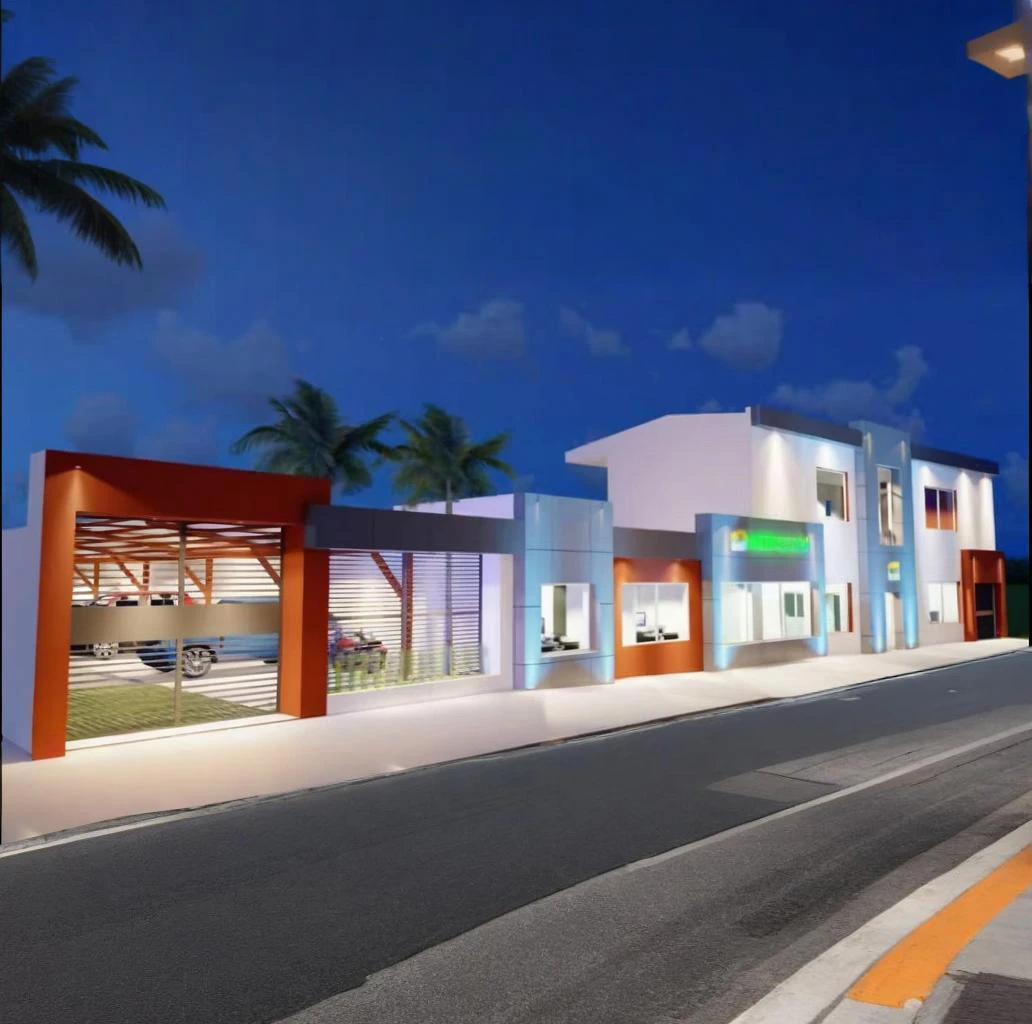
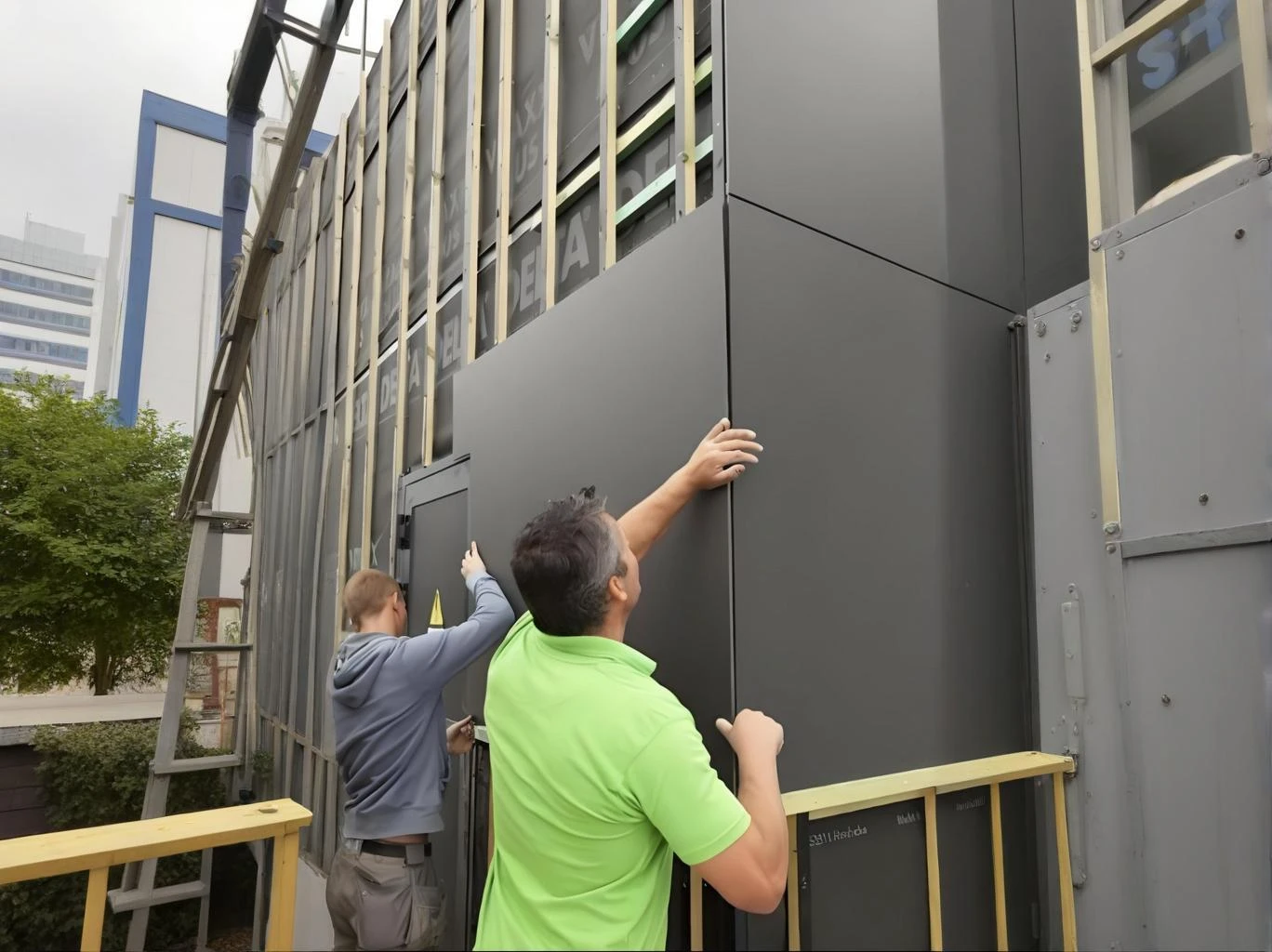
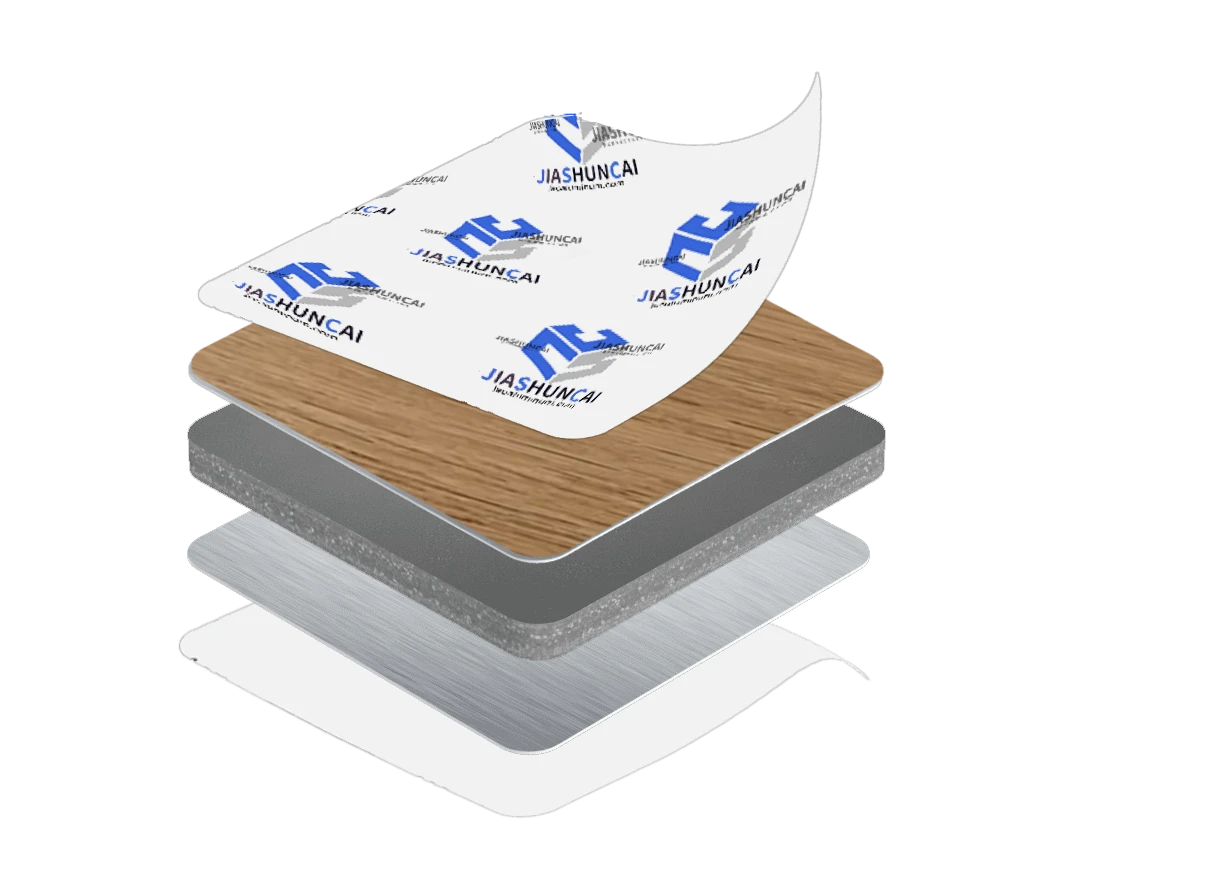
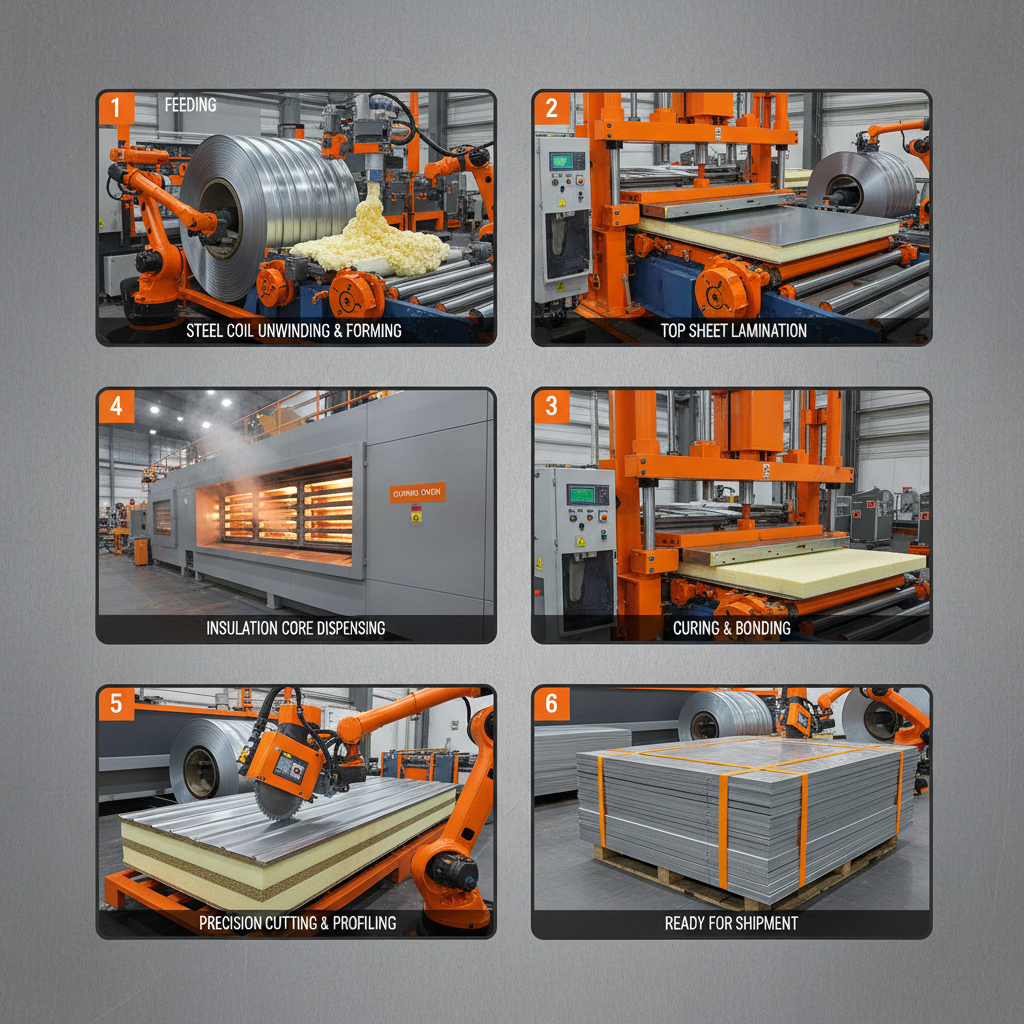
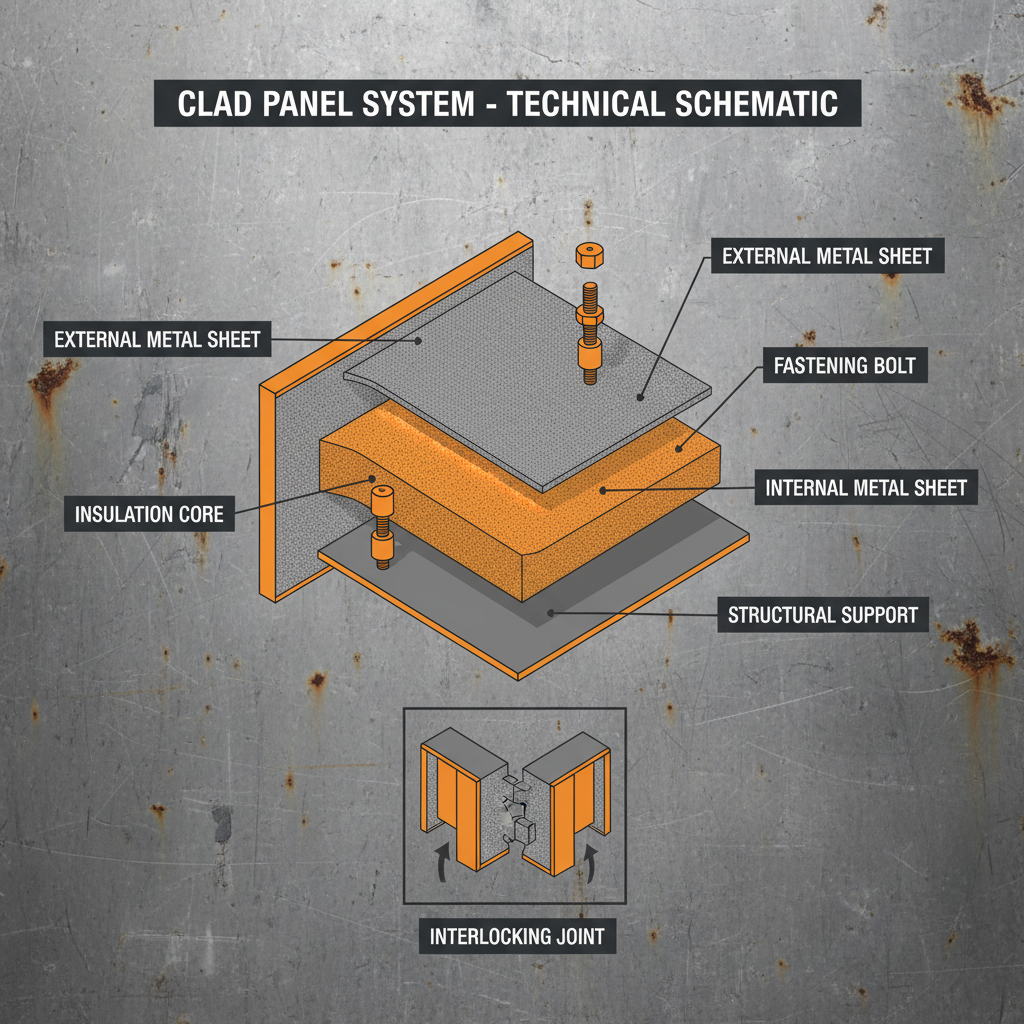
Clad panels have become increasingly popular in modern architecture and construction due to their versatility, aesthetic appeal, and performance benefits. They offer a lightweight, durable, and cost-effective cladding solution for both commercial and residential projects. This article will delve into the world of clad panels, exploring their types, applications, benefits, and considerations for choosing the right system for your project. We will cover everything from material options to installation best practices, ensuring you have a thorough understanding of this essential building component. Clad panels, also known as cladding panels, are exterior building materials designed to be attached to the structure to provide a protective and decorative layer. They serve as the first line of defense against the elements, offering resistance to weather, moisture, and UV radiation. Unlike traditional cladding methods like brick or stone, clad panels are typically lighter weight and can be manufactured in a wide range of materials, colors, and finishes.