The Ultimate Guide to Aluminum Composite Panels for Modern Architecture
In the evolving world of modern construction and interior design, finding a material that balances aesthetics, durability, and cost-effectiveness is a constant challenge. aluminum composite panels (ACP) have emerged as the premier solution for architects and builders worldwide. By combining two thin sheets of aluminum bonded to a non-aluminum core, these panels provide an incredible strength-to-weight ratio and unmatched versatility. Whether it is for a high-rise commercial facade or a sleek corporate interior, ACP delivers a professional finish that lasts for decades. In this guide, we will explore why these panels are dominating the market and how to choose the right specifications for your next project.
What are Aluminum Composite Panels and How Are They Made?
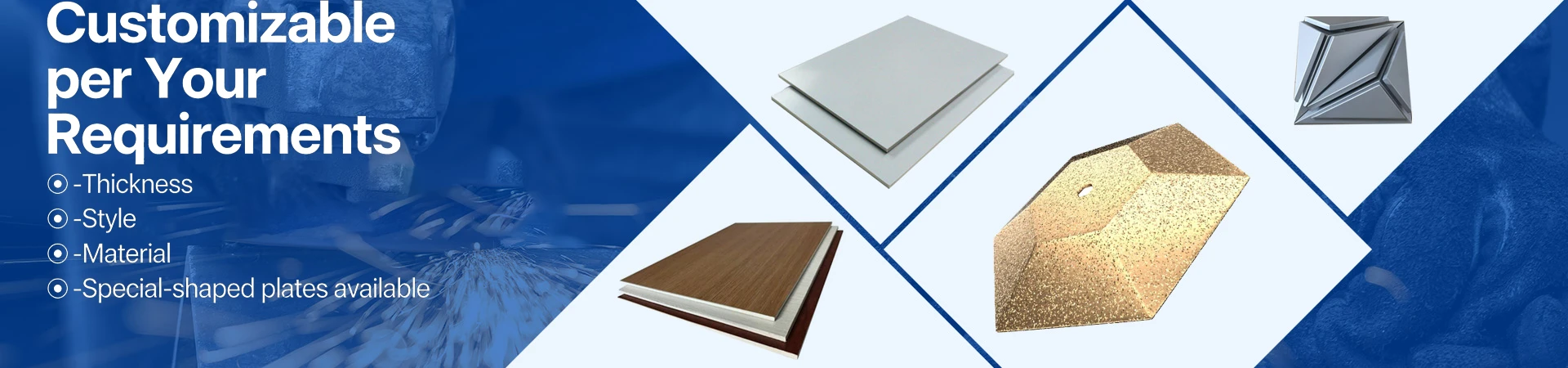
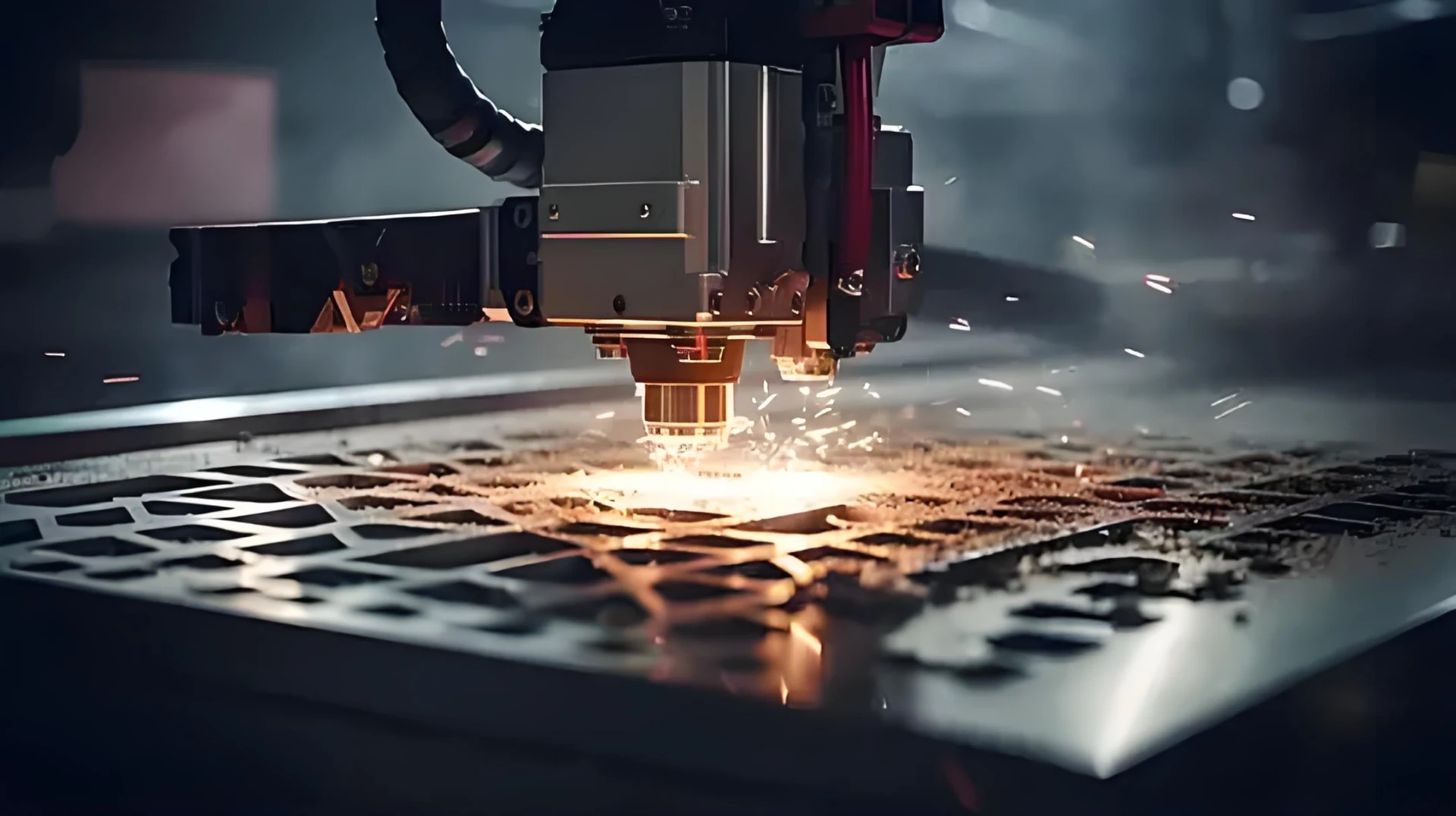
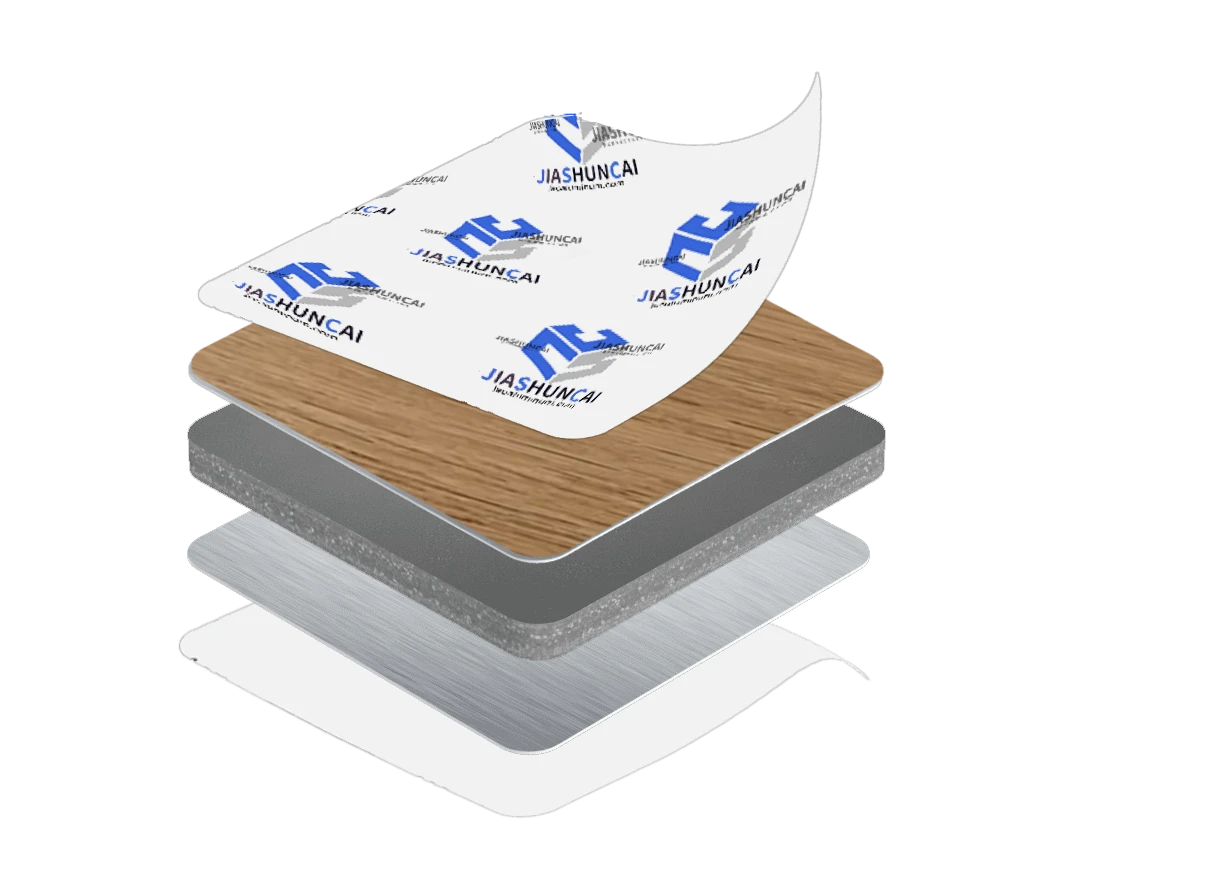
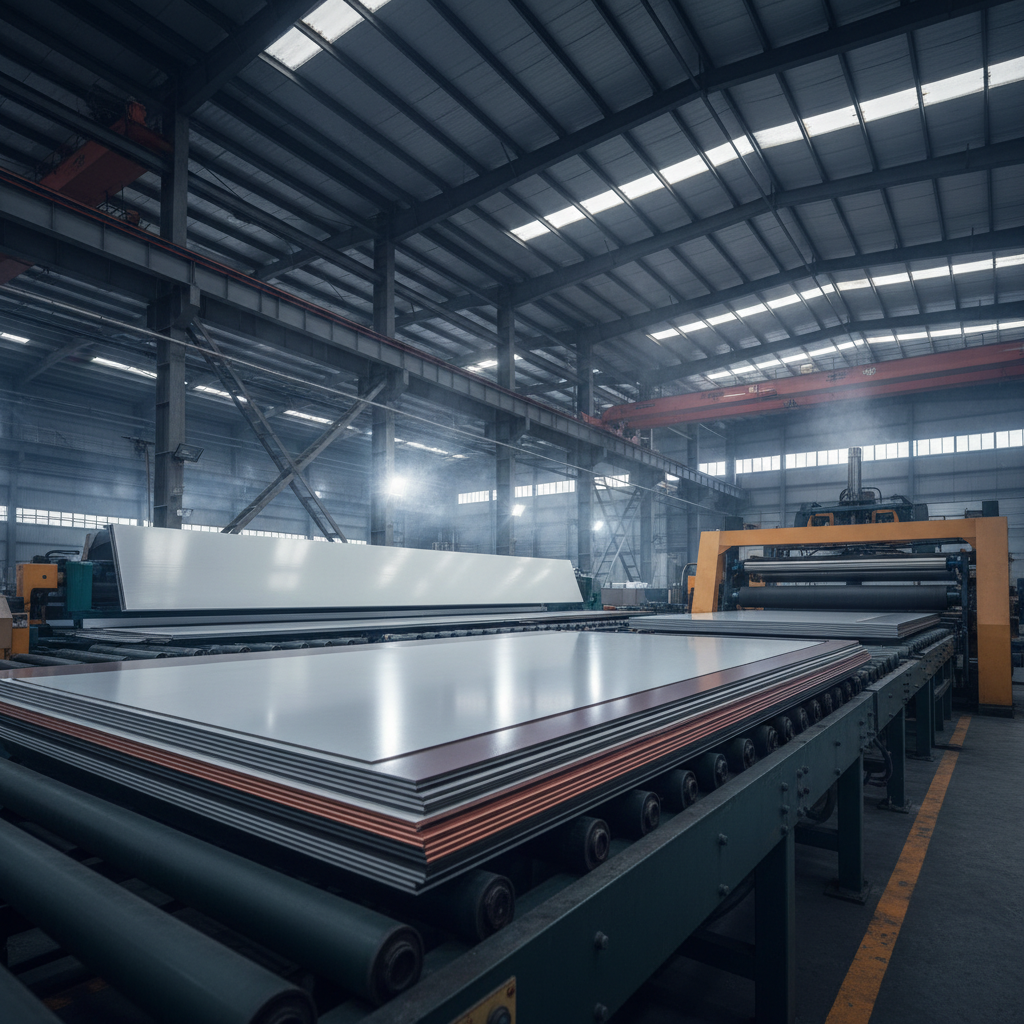
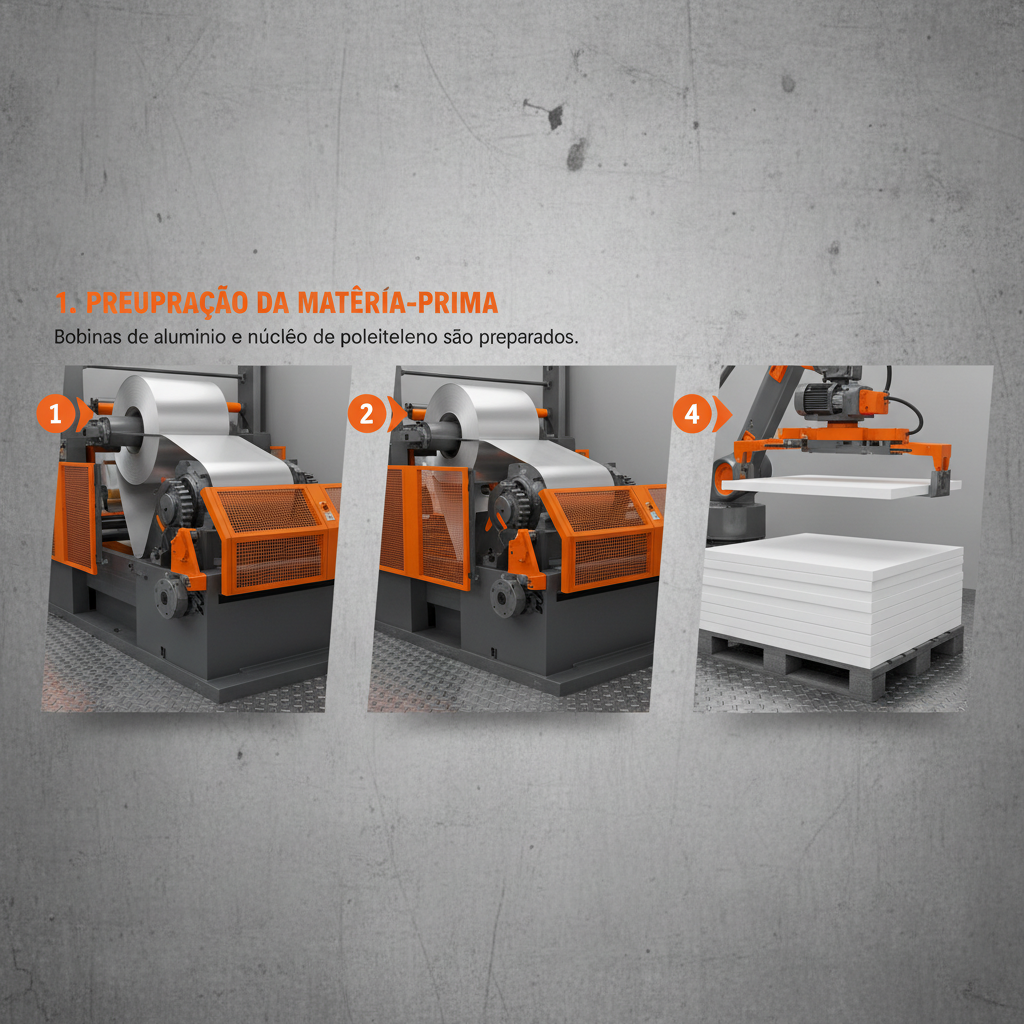
At its core, an aluminum composite panel is a flat panel consisting of two aluminum skins bonded to a central core. This "sandwich" construction is what gives the material its unique properties. The aluminum layers provide the weather resistance and structural rigidity, while the core—typically made of polyethylene (PE) or a fire-retardant mineral core—adds thickness and stability without adding significant weight. This engineering allows the panels to be easily fabricated, bent, and folded into complex shapes, making them a favorite for creative architectural designs.
Industrial Fact: The bonding process uses high-pressure rollers and specialized adhesives to ensure that the skins never delaminate, even under extreme temperature fluctuations.
Key Advantages of Using Aluminum Composite Panels
The widespread adoption of aluminum composite panels is not accidental. These materials solve several traditional building problems. First, they are extremely lightweight, which reduces the load on the building's primary structure and lowers transportation costs. Second, they offer superior weather resistance; the high-quality PVDF coatings prevent fading, corrosion, and peeling even in coastal or highly polluted urban environments. Finally, the seamless appearance they provide creates a clean, futuristic look that is highly desired in contemporary urban planning.
Why Choose ACP?
• Low Maintenance: Simple cleaning with water and mild detergent keeps them looking new.
• High Flexibility: Can be routed and folded for customized corners and curves.
• Eco-Friendly: Aluminum is 100% recyclable, supporting sustainable building practices.
Comparing Aluminum Composite Panels with Traditional Materials
When deciding on cladding, many developers compare aluminum composite panels against solid aluminum, steel, or natural stone. While solid aluminum is strong, it is significantly more expensive and heavier. Stone, while prestigious, requires massive structural support and is prone to cracking over time. ACP offers a "middle ground" that provides the look of premium materials with the ease of installation associated with lightweight plastics. The following table highlights the stark differences in performance and cost.
| Feature |
Aluminum Composite (ACP) |
Solid Aluminum |
Natural Stone |
| Weight |
Very Low |
Medium |
Very High |
| Installation Speed |
Fast / Modular |
Medium |
Slow / Labor Intensive |
| Cost Efficiency |
Excellent |
High Cost |
Very High Cost |
| Flexibility |
High (Bendable) |
Medium |
Low (Rigid) |
Diverse Applications for Aluminum Composite Panels
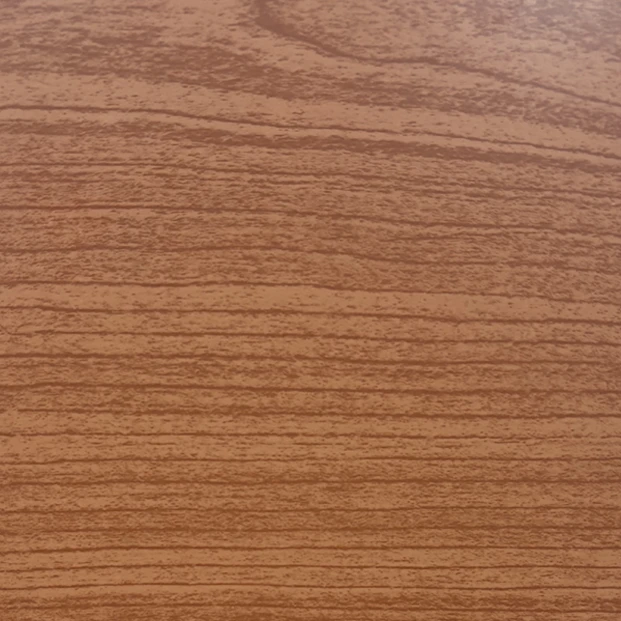
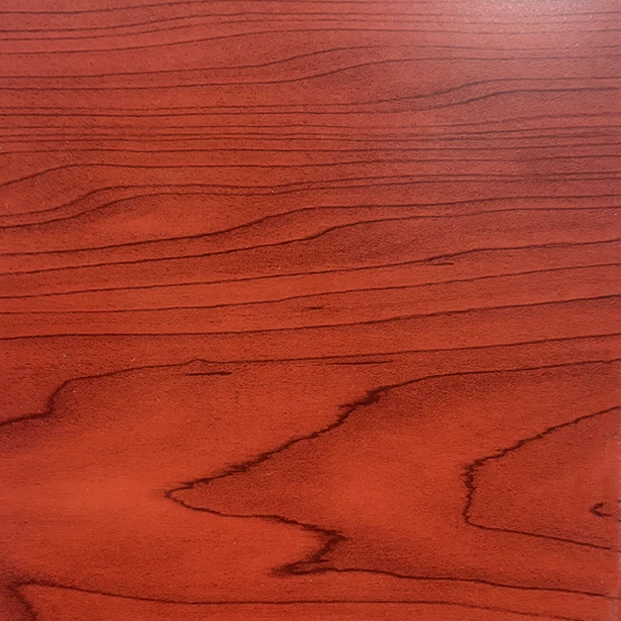
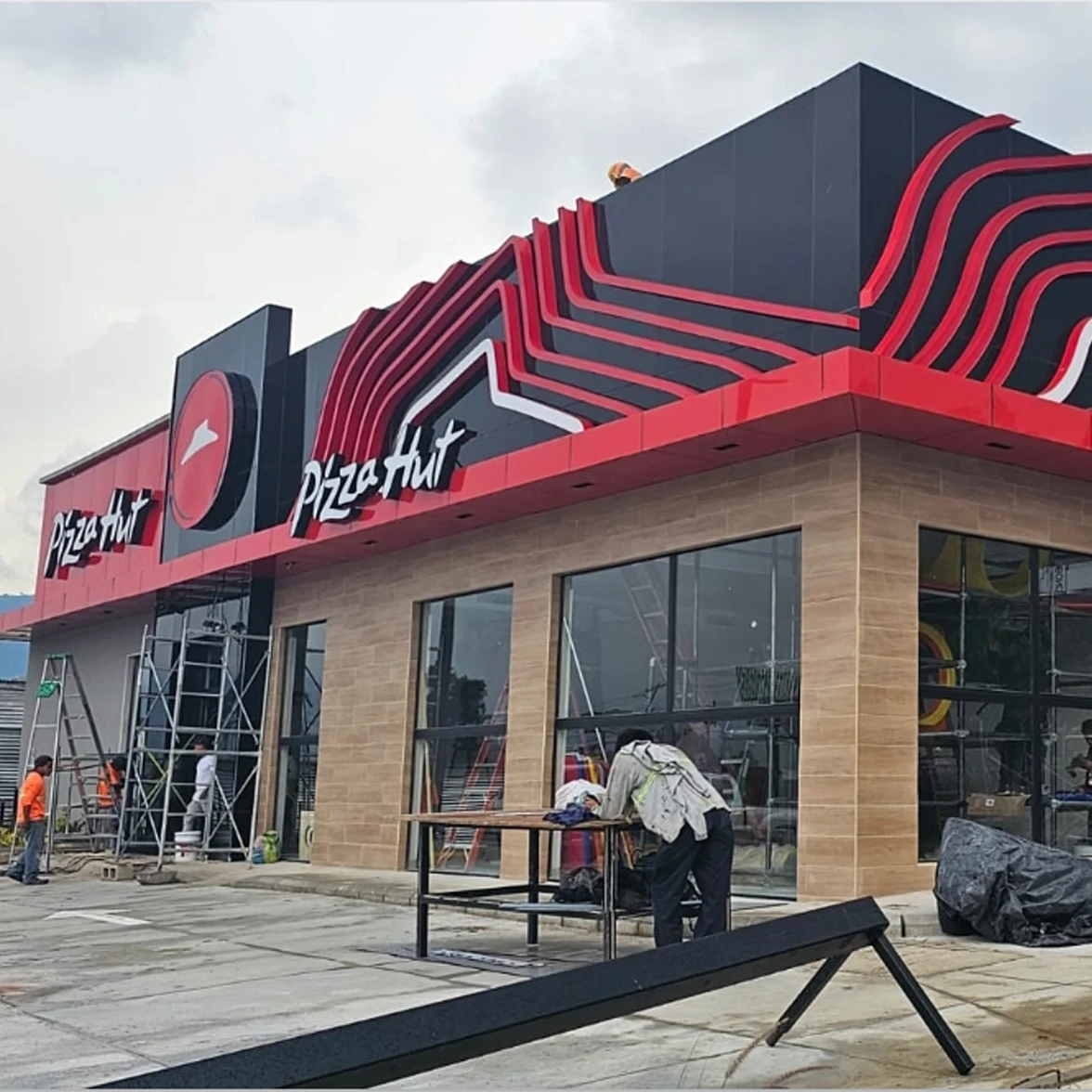
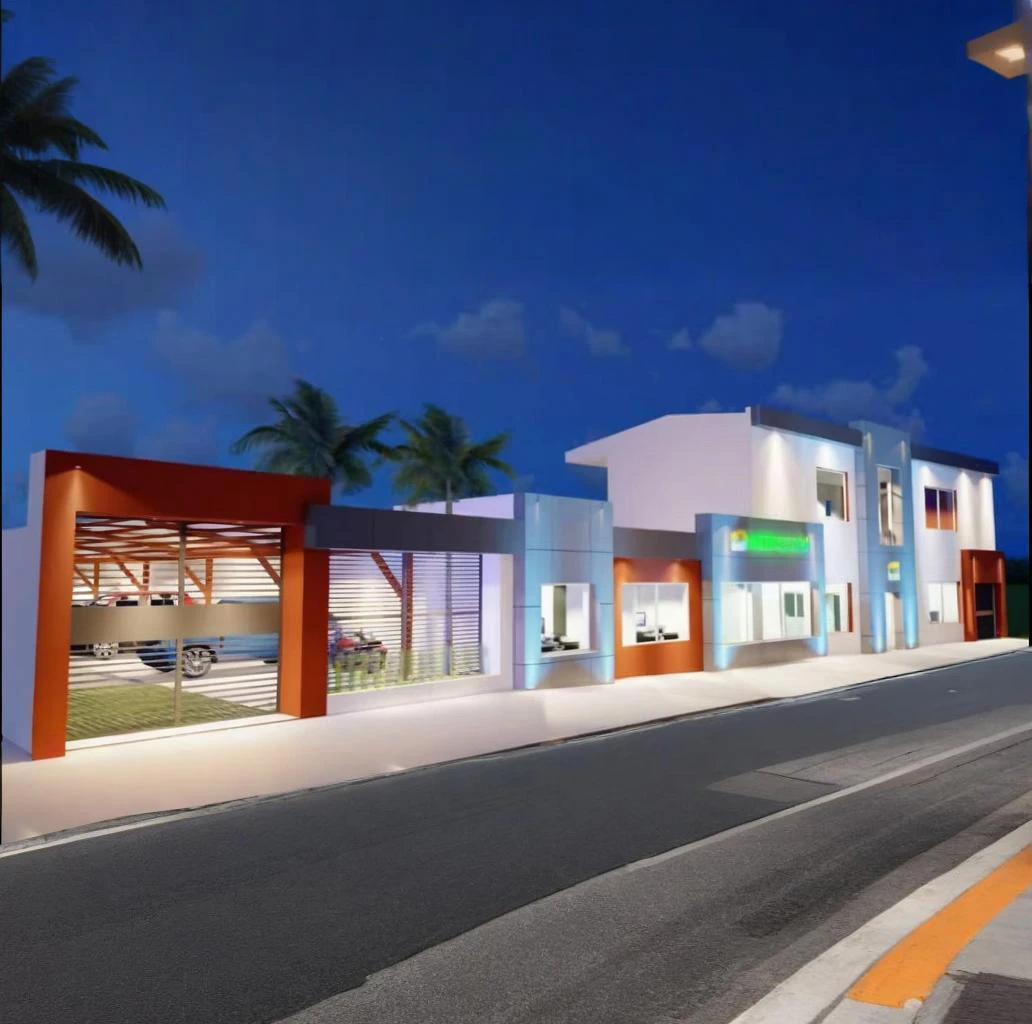
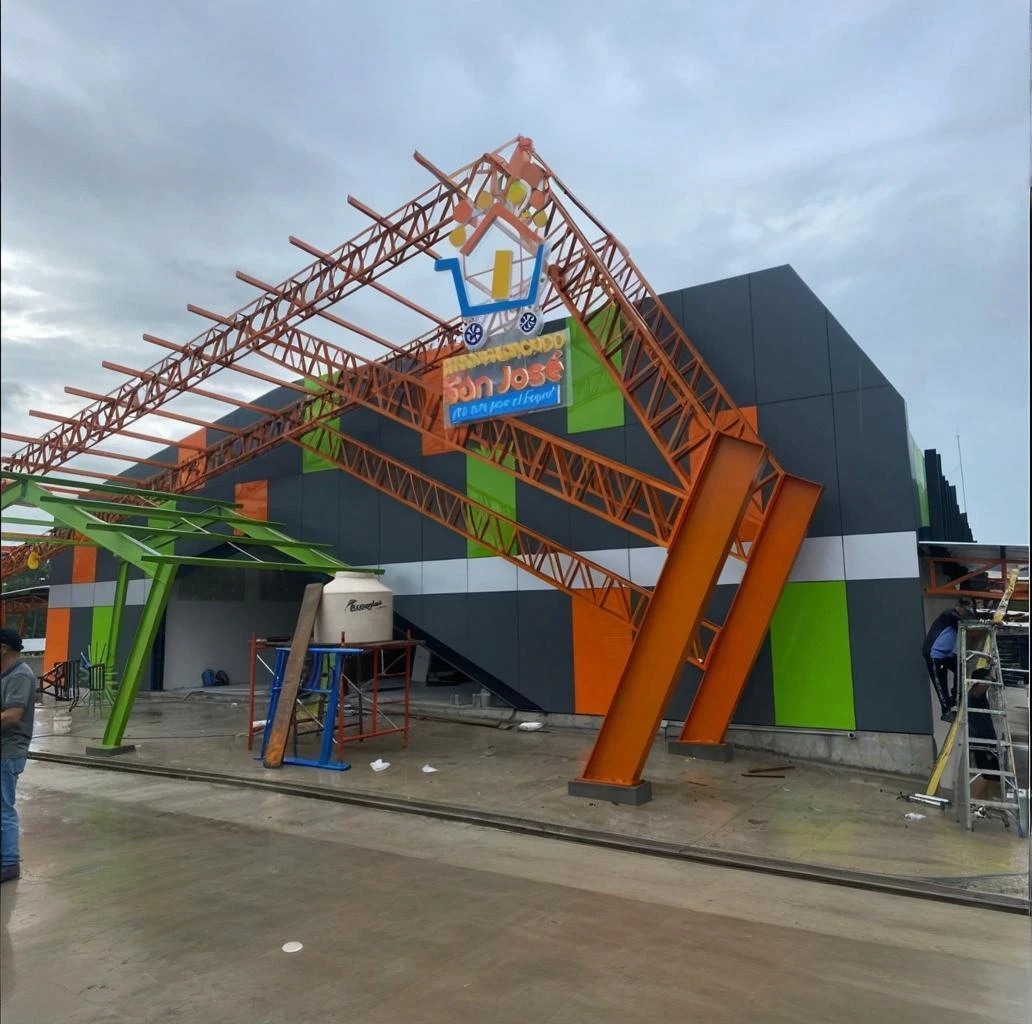
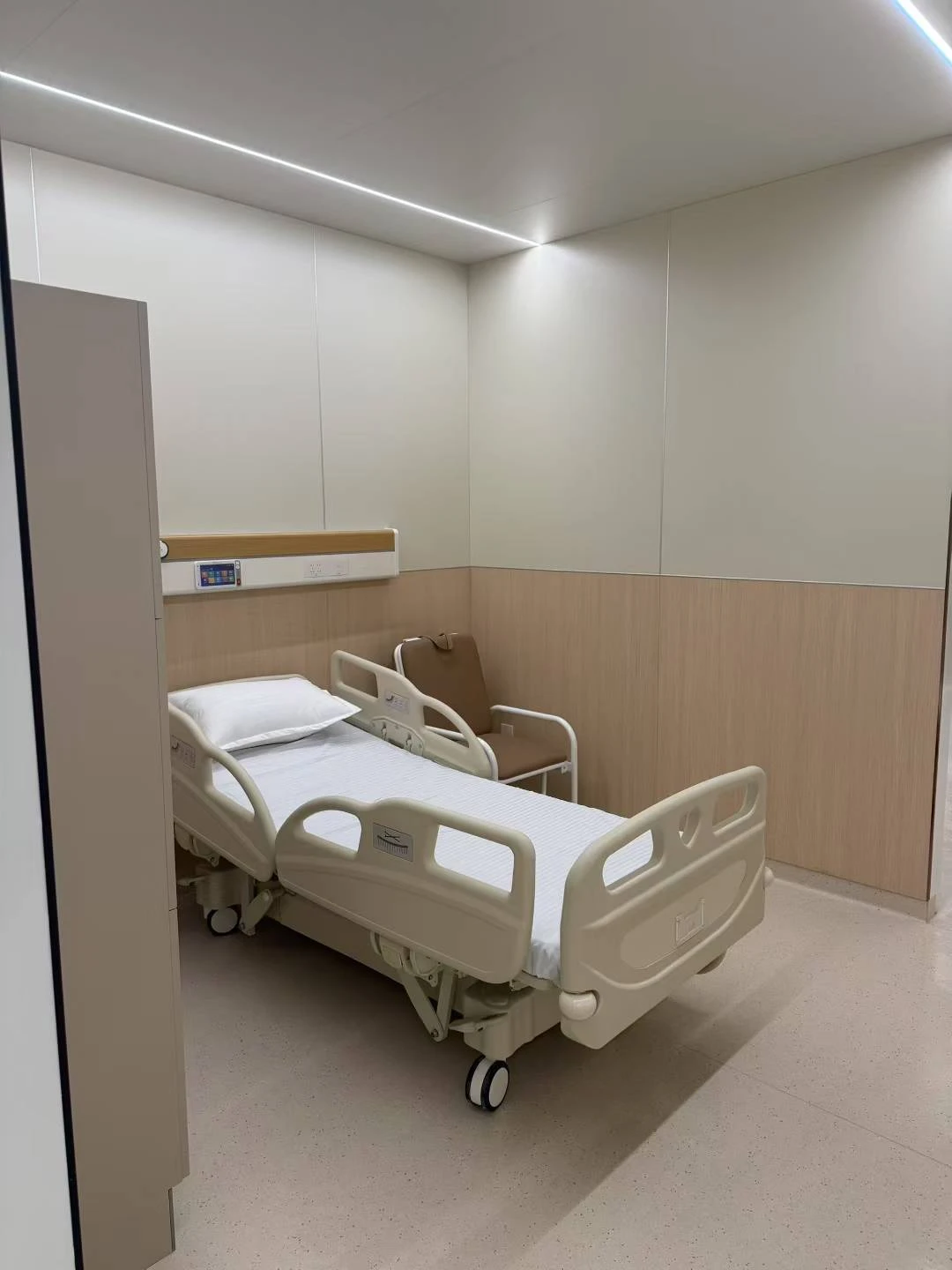
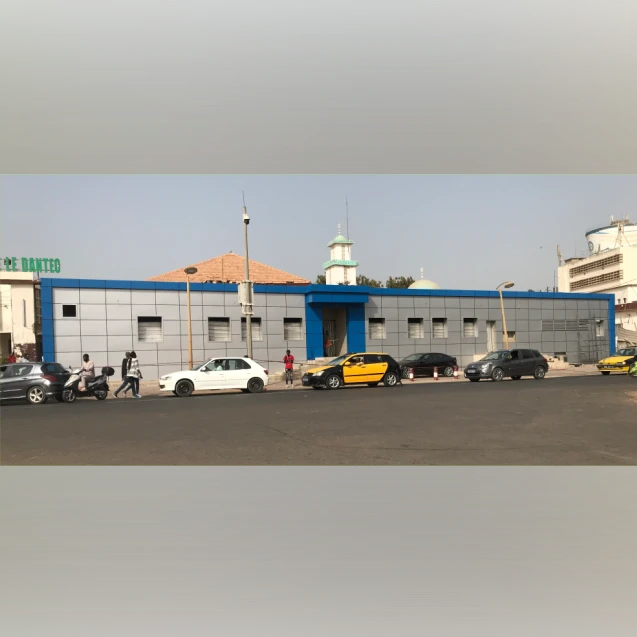
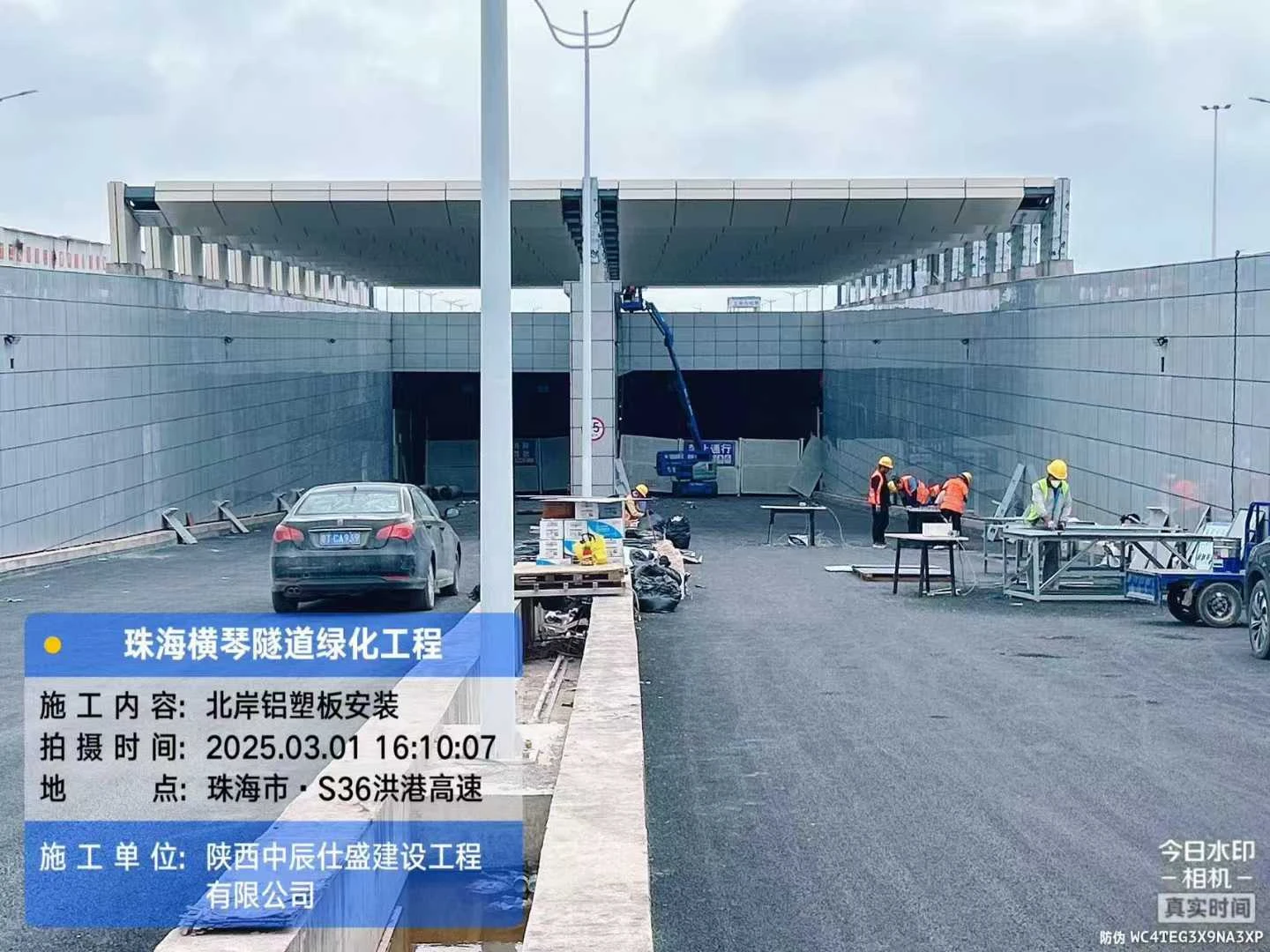
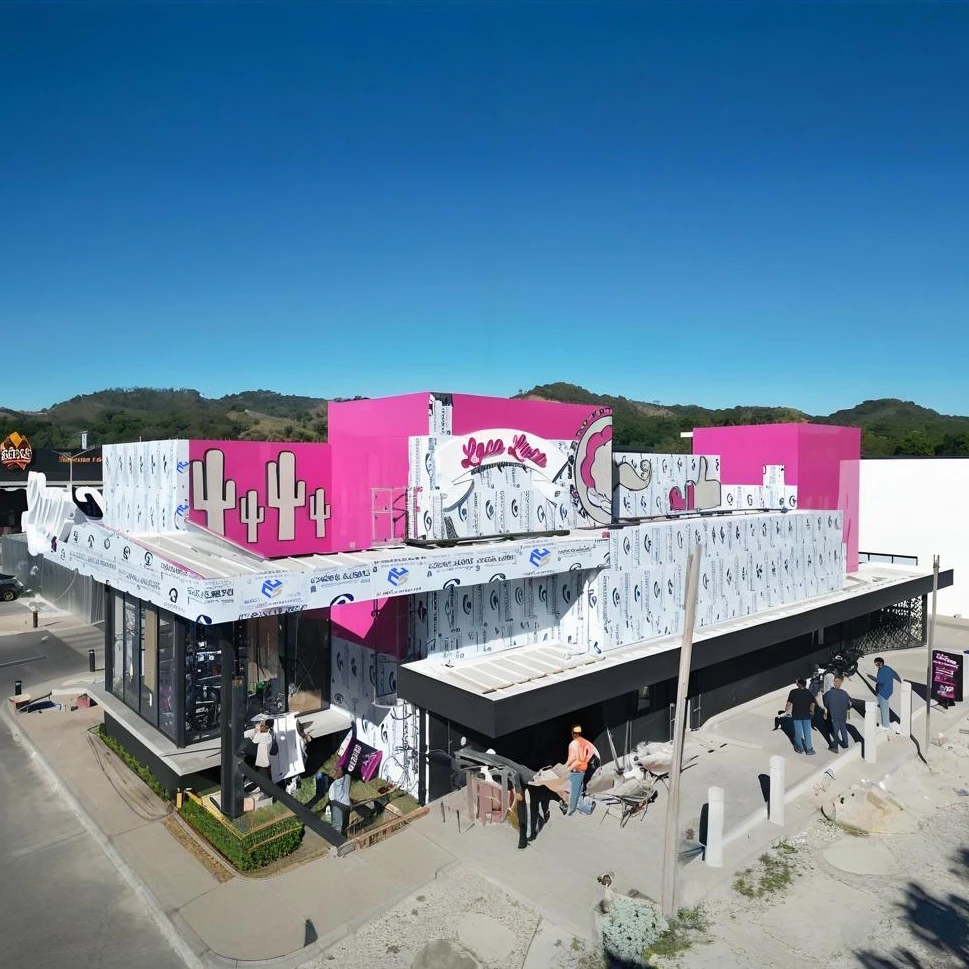
The utility of aluminum composite panels extends far beyond simple wall covering. In exterior architecture, they are used for curtain walls, soffits, and fascia, providing a waterproof shield for the building. In the interior realm, ACP is used for partition walls, ceiling panels, and high-end signage. Furthermore, the automotive and transportation industries utilize these panels for vehicle bodies and interiors due to their lightweight nature. Because they can be finished in almost any color or texture—including wood grain, marble, or brushed metal—they fit perfectly into any design vision.
Technical Specifications of High-Quality ACP
To ensure the longevity of your installation, it is critical to understand the technical specifications of your aluminum composite panels. The thickness of the aluminum skin typically ranges from 0.21mm to 0.5mm, while the total panel thickness usually sits between 3mm and 6mm. For projects requiring high safety standards, Fire-Rated (FR) cores are mandatory to prevent the spread of flames. Selecting the right coating is equally important; PVDF is recommended for exteriors due to its UV resistance, while Polyester (PE) coatings are ideal for indoor applications.
| Parameter |
Standard Specification |
Premium Specification |
| Skin Thickness |
0.21mm - 0.30mm |
0.40mm - 0.50mm |
| Total Thickness |
3mm / 4mm |
4mm / 6mm |
| Core Material |
LDPE (Polyethylene) |
FR (Fire Retardant) Mineral |
| External Coating |
PE (Polyester) |
PVDF (Fluorocarbon) |
Installation and Maintenance Tips for ACP
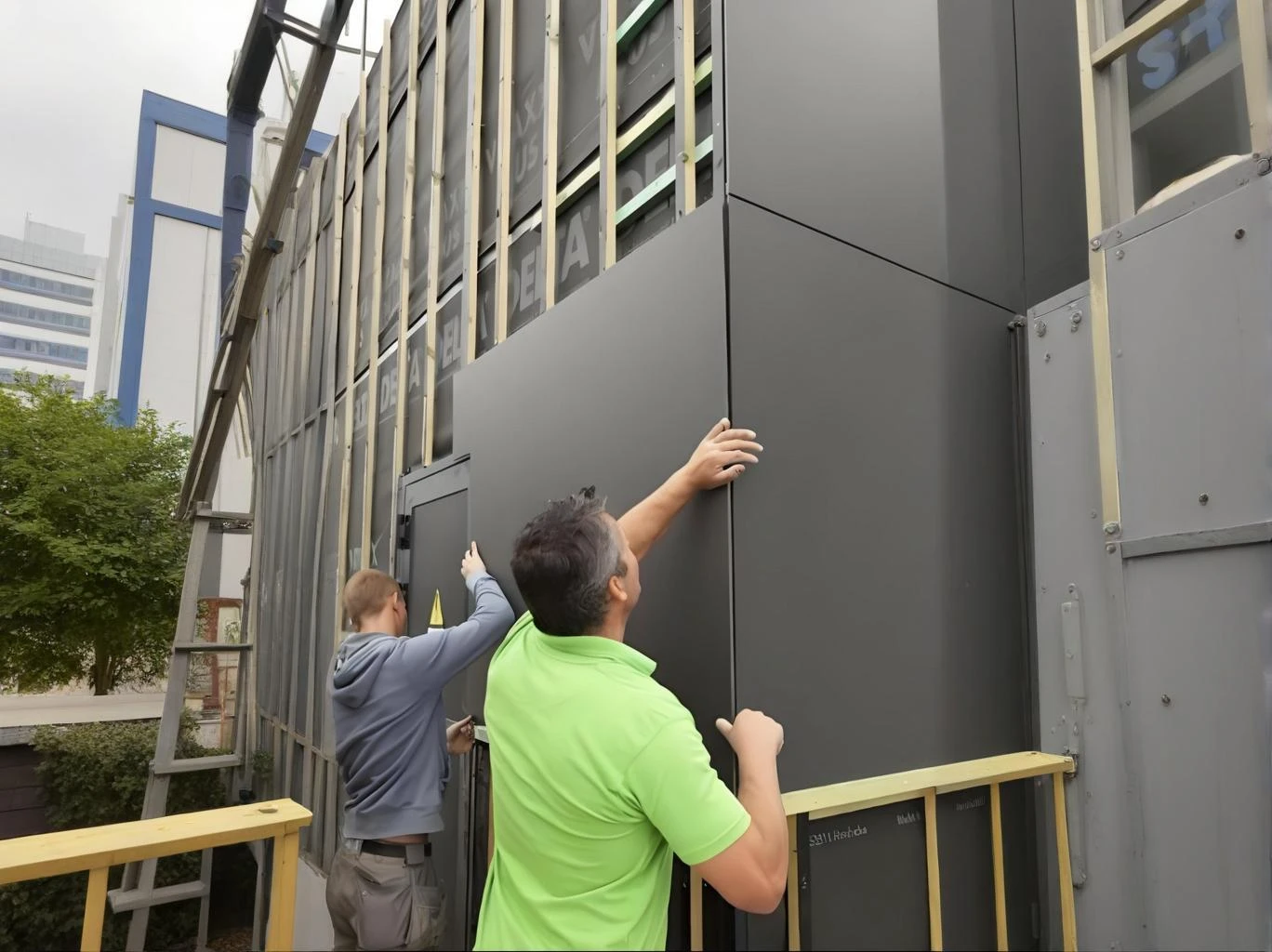
Proper installation is the key to maximizing the lifespan of aluminum composite panels. We recommend using a rout-and-return system for exterior cladding, which allows the panels to be folded into cassettes that can expand and contract with temperature changes without warping. It is also essential to use high-quality silicone sealants to ensure water-tight joints. Maintenance is remarkably simple; a yearly rinse with clean water and a soft cloth is usually sufficient to remove dust and grime, ensuring the facade remains vibrant for decades.
Conclusion: The Future of Building Materials
The versatility, durability, and aesthetic appeal of aluminum composite panels make them an indispensable tool for the modern construction industry. By bridging the gap between luxury design and practical engineering, ACP allows architects to push the boundaries of what is possible. Whether you are looking to renovate a commercial storefront or design a landmark skyscraper, choosing high-quality, fire-rated aluminum composite panels is a strategic investment in quality and safety. Elevate your project today with the strength and beauty of ACP.
Frequently Asked Questions (FAQs)
Are aluminum composite panels fireproof?
It depends on the core material. Standard PE core panels are combustible. However, for commercial and high-rise buildings, we provide Fire-Rated (FR) aluminum composite panels. These use a mineral-filled core that significantly reduces the rate of flame spread and smoke production, meeting strict international building codes (such as Class B-s1, d0). Always check the fire rating certification before purchasing for external cladding.
How long do aluminum composite panels typically last?
When installed correctly and using PVDF coatings, high-quality ACP can last between 20 to 30 years without significant degradation. The aluminum skin is naturally resistant to corrosion, and the fluorocarbon coating protects against UV rays and acid rain. With minimal maintenance, the panels retain their color and structural integrity far longer than traditional painted wood or plaster finishes.
Can these panels be used for curved surfaces?
Yes, one of the greatest strengths of aluminum composite panels is their flexibility. They can be cold-bent or routed to create smooth curves and rounded corners. This makes them ideal for contemporary "organic" architecture where sharp angles are replaced by flowing lines. The core allows the panel to maintain its shape without snapping or creasing, provided the bending radius is within the manufacturer's specifications.
What is the difference between PE and PVDF coatings?
PE (Polyester) coating is more cost-effective and is primarily used for indoor signage or short-term outdoor projects, as it is more susceptible to UV fading. PVDF (Polyvinylidene Fluoride) is a premium coating designed for long-term exterior use. It offers exceptional resistance to sunlight, chemicals, and extreme weather, ensuring that the building's facade remains the same color for decades. For any external architectural project, PVDF is the industry standard.